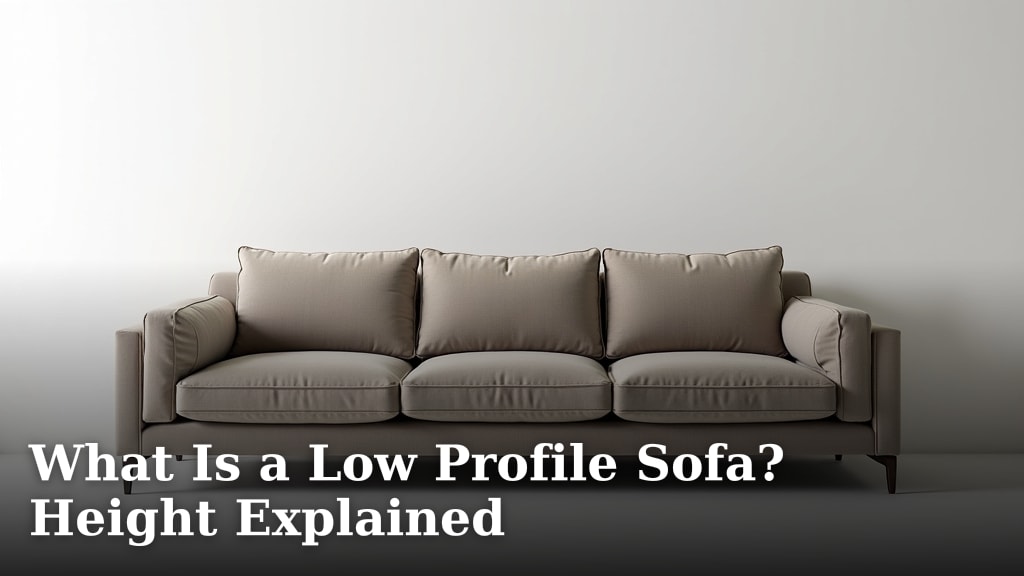
What Is a Low Profile Sofa? Height Explained
A low profile sofa is a sofa with a shorter overall height. This means the top of the sofa back sits lower. It’s often designed to keep the sofa from visually dominating a room. You might see them described as having a height under 30 inches.
These sofas are popular for creating a more open feel. They can make smaller rooms feel larger. Low profile designs are also great for letting your other decor items shine. Think of them as a more subtle, sleek furniture choice. They offer a modern aesthetic many homeowners love.
- A low profile sofa has a shorter back height.
- Their typical height is under 30 inches.
- They make rooms feel more open and airy.
- Great for showcasing other decor.
- Offers a modern, clean look.
Let’s dive into what “low profile” really means for your sofa and how to measure its height.
Understanding Sofa Height: What Makes it “Low Profile”?
So, you’re curious about sofa height and what makes a sofa “low profile.” You’ve probably seen the term used, and it generally refers to a sofa’s overall shorter stature. Think of it as a sofa that sits closer to the ground. We found that the key defining feature is usually the height of the sofa back.
This height difference is more than just a number. It dramatically impacts how a sofa looks and feels in your living space. It’s a design choice that can make a big difference. We’ll break down exactly what that means for your room.
Defining Low Profile: The Height Measurement
When we talk about a low profile sofa, we’re primarily talking about its overall height. This measurement is taken from the floor to the highest point of the sofa, usually the top of the back cushions or frame. Many manufacturers and designers consider a sofa to be low profile if its total height is under 30 inches.
For comparison, standard sofas often range from 30 to 36 inches in height, sometimes even taller. This 30-inch mark is a good benchmark. It’s a clear indicator that the sofa is designed to be visually lighter.
The Back Height is Key
While overall height matters, the back height is often the most telling feature of a low profile sofa. If you measure from the floor to the top of the sofa’s backrest, you’ll likely find it’s significantly shorter than a traditional sofa. This is where the visual impact comes from.
This lower back means less visual obstruction. You can often see over it more easily. This is a big reason why these sofas are popular in many homes. It’s about creating a feeling of openness.
Why Choose a Low Profile Sofa? The Benefits
You might be wondering why you’d specifically choose a sofa with a lower profile. It comes down to a few key advantages that can transform your living area. The most noticeable benefit is how it affects the perception of space.
A low profile sofa can make a room feel much larger than it actually is. It’s like a visual trick for your eyes. We found that this is especially helpful for smaller apartments or rooms with low ceilings.
Creating an Open and Airy Feel
Because the sofa back is shorter, it doesn’t block as much of your view. This allows light to travel more freely through the room. It helps the space feel less crowded and more inviting.
Imagine sitting on a sofa and being able to see the wall behind it easily. This lack of visual barrier is what creates that open, airy atmosphere. It’s a subtle change with a big impact on your room’s overall mood.
Letting Other Decor Shine
Your furniture should complement your style, not overpower it. A low profile sofa is excellent for this. It acts as a stylish foundation without drawing all the attention. This means your artwork, rugs, or accent pieces can really stand out.
Think of it as a supporting actor. It plays its role perfectly without stealing the spotlight. This is ideal if you have other decorative elements you want to showcase. We found that homeowners appreciate this ability to create a balanced look.
Modern Aesthetics and Clean Lines
Low profile sofas often boast a contemporary design. They tend to feature clean lines and minimalist silhouettes. This modern aesthetic can give your living room a sleek, sophisticated update. It’s a look that many people are drawn to.
If you prefer a less bulky, more streamlined look, a low profile sofa is likely a great fit. It avoids the ornate details often found on more traditional sofa styles. This simplicity can make a room feel more uncluttered.
How to Measure Your Sofa’s Height (and What Matters)
Now that you know what “low profile” means, how do you actually check a sofa’s height? It’s straightforward. You’ll need a measuring tape and a clear understanding of where to measure.
The most important measurement, as we’ve discussed, is the overall height. This is the true indicator of a low profile design. Don’t just guess; take the time to measure.
Measuring Overall Height
To measure the overall height, place your measuring tape against a wall. Align the bottom of the tape with the floor. Extend the tape straight up to the highest point of the sofa’s back. This is usually the top edge of the sofa back, including any cushions or decorative elements at the very top.
Make sure the tape is vertical. Record this number. If it’s under 30 inches, it’s a strong contender for being a low profile sofa. We recommend checking product descriptions for this specific measurement.
Considering Seat Depth and Arm Height
While back height is primary, other dimensions contribute to the overall “low profile” feel. Seat depth (how far back the seat goes) and arm height (how high the arms are) also play a role in a sofa’s visual weight. Deeper seats and taller arms can make a sofa feel more substantial, even if the back is low.
Some low profile designs might also feature lower arms. This can further enhance the feeling of openness. It’s good to look at the sofa’s proportions as a whole. A sofa that is low all around often achieves the most dramatic effect.
| Sofa Type | Typical Overall Height (Floor to Top of Back) | Visual Impact |
|---|---|---|
| Low Profile Sofa | Under 30 inches | Open, airy, modern, less visually dominant |
| Standard Sofa | 30 – 36 inches | Balanced, traditional, more substantial feel |
| High-Back Sofa | Over 36 inches | Cozy, imposing, creates defined zones |
When is a Low Profile Sofa the Right Choice for You?
Deciding if a low profile sofa fits your needs involves looking at your room and your personal style. Think about the existing furniture and the overall ambiance you want to create. You want your sofa to work *with* your space.
We found that low profile sofas excel in certain situations. They are particularly well-suited for open-concept living areas. They can help define zones without creating solid barriers. This is great for maintaining flow. Our guide to modular sofas explains how these flexible pieces can work in open-concept areas.
Perfect for Smaller Spaces and Low Ceilings
If you’re working with a smaller living room, a low profile sofa can be a game-changer. It prevents the furniture from overwhelming the room. This makes the space feel more comfortable and less cramped. It’s a practical choice for apartments or compact homes.
Similarly, if your room has low ceilings, a shorter sofa can make the ceiling appear higher. It draws the eye upwards, creating an illusion of more vertical space. It’s a clever way to combat a feeling of being “boxed in.”
Showcasing Your View or Other Decor
Do you have a beautiful window with a great view? Or perhaps a stunning piece of wall art you want everyone to see? A low profile sofa will ensure these elements aren’t blocked. It’s a considerate choice for highlighting what’s important in your room.
It allows your other design elements to take center stage. This is ideal for a curated look. Your sofa becomes part of the overall picture, not the main subject.
Achieving a Modern, Minimalist Style
If your home decor leans towards modern, minimalist, or Scandinavian styles, a low profile sofa is often a natural fit. Its clean lines and understated design complement these aesthetics beautifully. It contributes to a calm, uncluttered environment.
It’s about creating a sense of order and simplicity. This type of sofa avoids unnecessary bulk. It helps you achieve that sleek, intentional look you might be aiming for.
Quick Checklist: Is a Low Profile Sofa Right for Your Home?
Before you decide, run through this quick checklist. It might help solidify your choice:
- Does your room feel small or cramped?
- Do you want a more open and airy feel?
- Do you want to showcase artwork or a view?
- Do you prefer a modern or minimalist design style?
- Are you looking for a sofa that doesn’t dominate the room?
- Is the sofa’s back height under 30 inches?
Conclusion
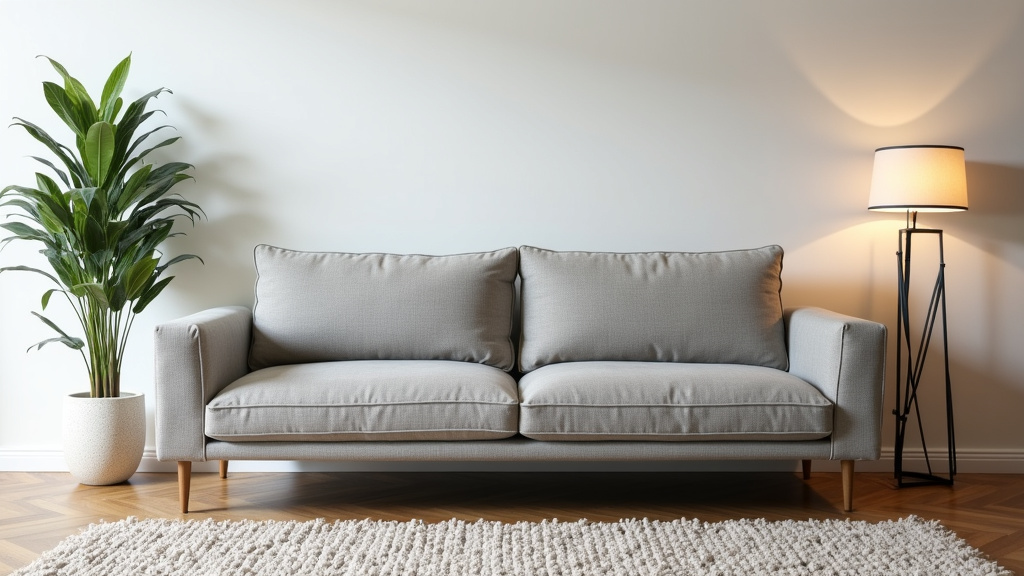
You’ve learned that a low profile sofa is defined by its shorter height, typically under 30 inches, with a key feature being its lower back. These sofas are excellent choices for making your rooms feel more spacious and airy. They also allow your other decor elements to take center stage and lend a sleek, modern look to your living space. If you’re aiming for an open feel, want to highlight your decor, or prefer a contemporary style, measuring a sofa’s overall height is your first step. Consider these benefits as you look for the perfect sofa that complements your home.
Frequently Asked Questions
Are low profile sofas uncomfortable to sit on?
Generally, no. While the back is lower, comfort depends more on the cushion fill, seat depth, and frame construction. Many low profile sofas are designed with comfortable seating in mind, offering a supportive feel. We’ve found that checking reviews for specific models can give you a better idea of individual comfort levels.
Can a low profile sofa work in a room with a high ceiling?
Yes, a low profile sofa can actually enhance a room with a high ceiling. Its shorter stature can create a sense of balance, preventing the furniture from looking dwarfed by the tall walls. This can contribute to a more visually pleasing and less overwhelming space.
How do I compare a low profile sofa to a standard one?
The main difference is overall height. Standard sofas typically range from 30 to 36 inches tall, while low profile sofas are usually under 30 inches. This height difference impacts how visually dominant the sofa is in a room, with low profile options appearing lighter and more open.
Will a low profile sofa make my room look too empty?
Not necessarily. A low profile sofa can make a room feel more open and less cluttered, which is often the desired effect. To avoid a bare look, you can balance it with other elements like area rugs, wall art, or plants to fill the space intentionally.
Are arm height and seat depth important for a low profile sofa?
Yes, they contribute to the overall perception. While back height is the primary factor, sofas with lower arms and moderate seat depths tend to enhance the “low profile” feeling. These dimensions can further contribute to a sofa’s sleek and unobtrusive appearance.