
What Is a Nailhead Trim Sofa? A Look at the Trim
A nailhead trim sofa is an upholstered sofa featuring small, decorative metal tacks, called nailheads, that are hammered into the fabric in a repeating pattern. These metal studs, often made of brass or nickel, are used as a decorative accent along the sofa’s edges, arms, and cushions, adding a touch of classic elegance and tailored detail.
This type of trim offers a way to subtly enhance a sofa’s design. Nailheads can range from simple, round studs to more elaborate designs. Their placement can highlight the sofa’s silhouette or create a geometric pattern, contributing to a finished and sophisticated look. Many designers use nailhead trim to give furniture a timeless appeal.
- What nailhead trim is on a sofa.
- How nailheads add detail and style.
- Common materials and placement of nailheads.
- Why it’s a popular design choice.
Now, let’s take a closer look at this stylish furniture detail and understand what makes a nailhead trim sofa so appealing.
“`htmlUnderstanding Nailhead Trim on Sofas
So, what exactly is nailhead trim on a sofa? It’s a decorative border made of small metal tacks. These tacks are carefully hammered into the upholstery fabric. They often follow the lines of the sofa. This adds a touch of classic style and a finished look. Think of it like the perfect punctuation mark for your sofa’s design.
The Definition and Purpose of Nailhead Trim
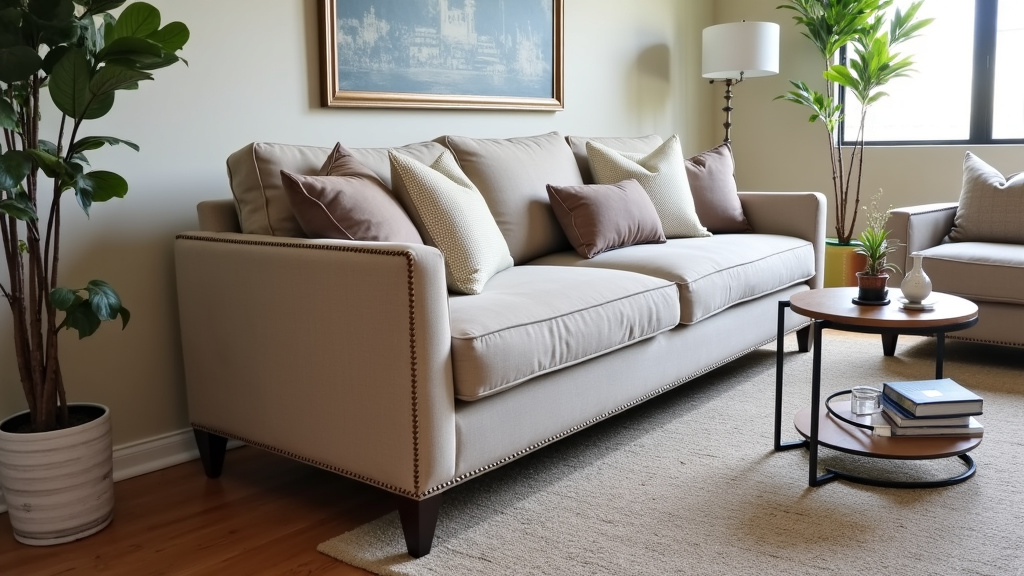
Nailhead trim refers to tiny decorative studs. These studs are typically made of metal. They are applied in a repeating pattern. This pattern usually outlines the sofa’s edges. You might see it along the arms, back, or seat cushions. The main purpose is purely aesthetic. It adds a sophisticated detail that many shoppers love. It’s a way to make a sofa feel more tailored.
Many designers use nailhead trim to achieve a certain look. It can give a sofa a more formal feel. It can also lend a vintage or traditional vibe. For some, it simply adds a subtle bit of polish. It’s not just about the metal tacks themselves. It’s about how they frame the sofa’s shape. This framing can highlight the sofa’s silhouette. It can make the piece look more substantial and well-crafted. Many designers use nailhead trim to achieve a certain look, and our guide to the English roll arm sofa explains its classic features.
How Nailheads Enhance Sofa Design and Style
Nailhead trim offers a unique way to add visual interest. It breaks up large expanses of fabric. It creates a sense of order and symmetry. The repeating pattern can be quite pleasing to the eye. It’s a subtle detail that can make a big difference. Imagine a plain sofa; adding nailheads can transform its appearance. It gives it a more luxurious and custom feel.
The placement of the nailheads is also key. A common spot is along the base of the sofa. This can give the furniture a grounded look. It can also be used on the rolled arms of a traditional sofa. Sometimes, you’ll see them on the back of the sofa. This is especially true for sofas that can be viewed from all sides. The goal is always to enhance the sofa’s overall design. It’s like adding jewelry to an outfit. It completes the look.
Exploring the Details of Sofa Nailhead Trim
When you’re looking at sofas with nailhead trim, several details stand out. These include the materials used for the tacks. The patterns they form are also important. Even the spacing between the nailheads can affect the overall style. Understanding these elements helps you choose the right sofa for your home.
Common Materials Used for Nailheads
Nailheads aren’t just made of any old metal. They come in various finishes. This allows them to complement different decor styles. Brass is a very popular choice. It offers a warm, classic look. It works well with traditional and transitional styles. You’ll often find polished brass or an antique brass finish.
Nickel is another common material. It provides a cooler, more modern feel. It can be polished nickel for a bright shine. Or, it can be brushed nickel for a softer look. Nickel pairs well with contemporary and transitional designs. Other finishes you might encounter include pewter or oil-rubbed bronze. Each finish offers a distinct personality.
We found that the material choice often matches the sofa’s overall style. A very traditional sofa might have antique brass. A more modern sofa might opt for polished nickel. It’s about creating a cohesive design. The finish should ideally coordinate with other hardware in your room. This could be your light fixtures or cabinet handles.
Patterns and Placement of Nailhead Trim
The way nailheads are arranged matters a lot. They are rarely placed randomly. You’ll often see them in a straight line. This line might follow the edge of an armrest. Or it could run along the bottom of the sofa frame. This creates a clean, defined border. It gives the sofa a structured appearance.
Sometimes, nailheads are used to create geometric patterns. You might see them clustered together. They could form a diamond shape or a repeating motif. This is more common on the back or sides of the sofa. It adds a decorative element that draws the eye. It’s a way to make the sofa a real statement piece. Sometimes, nailheads are used to create geometric patterns, and a modular sofa offers flexibility in arrangement.
The spacing between the nailheads is also a design choice. Some sofas have closely spaced nailheads. This creates a dense, impactful border. Others have wider spacing. This can give a more understated, subtle look. The distance can influence how prominent the trim feels. We found that wider spacing can sometimes make a sofa appear more casual.
Where You’ll Typically Find Nailhead Trim
Sofa designers use nailheads strategically. You’ll most often see them on the sofa’s arm fronts. This is particularly true for sofas with rolled or shaped arms. The trim follows the curve beautifully. It adds definition and detail to this prominent area. It helps to showcase the arm’s shape.
Another common location is along the base of the sofa. This can extend from one arm to the other. It provides a finished look to the lower portion of the furniture. It anchors the sofa visually. It gives it a more substantial presence in the room.
You might also find nailhead trim on the sofa’s back. This is especially common for sofas with exposed backs. It’s a way to add detail to all sides. Sometimes, designers will place nailheads around the seat cushions. This is less common but can add an extra layer of design. It truly depends on the intended style.
Why Choose a Sofa with Nailhead Trim?
Many shoppers are drawn to nailhead trim sofas. There are several good reasons for this. It’s a design element that has stood the test of time. It offers a blend of style and substance. If you’re looking for furniture that feels both classic and current, this might be for you.
The Timeless Appeal and Versatility
Nailhead trim has been around for a long time. Yet, it doesn’t feel dated. It has a timeless quality. This means a sofa with nailhead trim can work in many different room styles. It’s not confined to just one type of decor. It can adapt and feel at home in various settings.
We found that its versatility is a major selling point. A sofa with brass nailheads can look stunning in a formal living room. The same sofa could also add a touch of elegance to a cozy family room. It bridges the gap between traditional and modern. It’s a safe yet stylish choice for many homes. It offers a classic look without feeling old-fashioned.
Adding a Touch of Sophistication
There’s no denying that nailhead trim adds a sophisticated touch. It elevates a simple upholstered sofa. It makes it look more high-end. It suggests attention to detail. This is something many homeowners appreciate. It shows that thought went into the design.
Think of it as a subtle luxury. You don’t need to shout about it. The refined finish speaks for itself. It can make an ordinary sofa feel extraordinary. It contributes to a polished and put-together living space. It’s a design choice that often impresses guests. It adds that little something extra.
Consider the contrast it creates. The metallic gleam of the nailheads against the fabric is eye-catching. It adds texture and visual depth. This contrast is key to its sophisticated appeal. It’s a simple element that creates a powerful aesthetic. It truly transforms the sofa’s character.
A Checklist for Selecting Your Nailhead Trim Sofa
Choosing a sofa is a big decision. Here’s a quick checklist to help you when looking at nailhead trim options:
- Consider the finish of the nailheads. Does it match your room’s hardware?
- Think about the pattern and spacing. Do you prefer dense or sparse?
- Check the placement of the trim. Where does it look best on the sofa?
- Assess the overall style. Does it fit your existing decor?
- Look at the quality of the upholstery. Is the fabric durable and comfortable?
- Imagine the sofa in your space. Will the nailhead trim complement your room?
Conclusion
You’ve learned that a nailhead trim sofa offers a distinct touch of classic style and tailored detail. These small metal tacks aren’t just decorative; they highlight a sofa’s silhouette and add a sophisticated, finished look. Whether you prefer the warmth of brass or the cool elegance of nickel, nailhead trim provides versatility. It’s a timeless design element that can enhance your living space without feeling dated. Now that you understand the appeal, consider how nailhead trim could complement your home’s unique style during your next furniture search.
Frequently Asked Questions
Can nailhead trim be added to any sofa?
While many sofas come with nailhead trim pre-applied, it’s often possible to add it yourself or have it professionally installed on some pieces. However, the fabric type and sofa construction can affect how well the nailheads hold and the overall look. It’s best to consult with an upholstery professional for advice on adding trim to an existing sofa.
How do I clean nailhead trim on a sofa?
Cleaning nailhead trim usually involves gently wiping the metal tacks with a soft, dry cloth to remove dust. For stubborn marks, you can use a slightly damp cloth, being careful not to saturate the fabric around the nailheads. Always test any cleaning solution on an inconspicuous area first to ensure it doesn’t damage the metal or upholstery.
Are nailhead trim sofas more expensive?
Sofas with nailhead trim can sometimes be more expensive than those without, as the application process requires skilled labor and attention to detail. The cost can also vary depending on the material of the nailheads (e.g., brass vs. nickel) and the complexity of the pattern. However, many find the added design element justifies the price difference.
How do I choose the right nailhead finish for my sofa?
Consider the existing hardware in your room, such as light fixtures, cabinet pulls, and table legs. If your room has warm-toned metals like brass or gold, opt for brass nailheads. For cooler tones like chrome or brushed nickel, choose nickel finishes. This coordination helps create a cohesive look.
Can nailhead trim be used on modern sofas?
Yes, nailhead trim can absolutely be used on modern sofas. While often associated with traditional styles, modern designs can incorporate nailheads for a unique contrast. Clean, straight lines of nailheads in finishes like polished nickel or pewter can add a subtle decorative edge to contemporary furniture without making it look fussy.