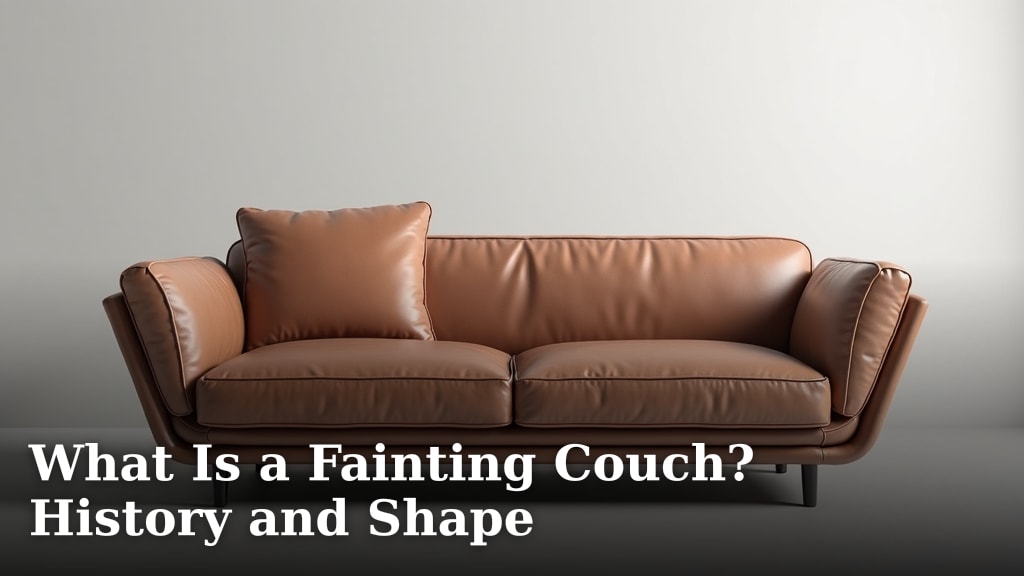
What Is a Fainting Couch? History and Shape
A fainting couch is a type of sofa designed for lounging or reclining. Its defining feature is a backrest that only goes halfway up one side. This allowed women in Victorian times to rest discreetly without fully lying down. They were perfect for moments of feeling faint or unwell.
These couches often have a distinctive curved shape. They were popular in the 19th century, especially in parlors and dressing rooms. The design reflects the social customs and fashion of the era. Research shows they were also used for reading or napping comfortably. Many antique fainting couches have ornate carvings and luxurious upholstery. For a different classic style, learn about the English roll arm sofa and its key features.
- A fainting couch is a sofa with a partial back.
- It was designed for resting or reclining in a dignified way.
- Popular in the Victorian era, its shape allowed for discreet repose.
- They are often curved and were considered stylish furniture.
Let’s take a closer look at the history and unique shape of the fainting couch.
A Look at the Fainting Couch: Its History and Unique Shape
So, what exactly is a fainting couch? It’s a special kind of sofa designed for lounging. It has a backrest that only covers about half of the couch. This design was quite popular a long time ago. Let’s dive into why it was made and what makes its shape so distinct.
The Victorian Era and the Rise of the Fainting Couch
The 19th century was a time of big changes. Society had strict rules, especially for women. Fainting was actually more common back then. Or at least, it was more accepted to show signs of being overcome.
Why the Need for a “Fainting” Couch?
Women’s clothing was very restrictive. Think about corsets that cinched the waist tightly. Plus, social etiquette demanded a certain composure. Feeling a bit faint was not uncommon due to tight clothing or emotional stress.
Having a place to discreetly rest was important. A fainting couch offered a dignified way to recover. It wasn’t like lying down completely on a bed. It was more like a gentle recline. This kept up appearances. Research from the era suggests these couches were seen as essential pieces.
Social Customs Reflected in Furniture Design
The furniture of an era often tells us a lot about its people. The fainting couch is a perfect example of this. It reflects the social norms and the physical constraints women faced.
It was important for ladies to appear delicate and refined. A full reclining position might have seemed too informal. The partial back allowed for a supported, yet not fully horizontal, posture. Many historical accounts mention ladies retiring to their rooms or parlors for a “lie down.” The fainting couch made this look graceful.
Beyond Fainting: Other Uses for the Couch
While the name suggests its primary purpose, people used these couches for more. They were also comfortable spots for reading. The extended armrest could support an elbow. And if you needed a short nap, it was just the ticket.
Imagine a quiet afternoon. You have a new novel and a cup of tea. The fainting couch would be the ideal place to settle in. It offered comfort without demanding the full space of a bed. We found records indicating their use in dressing rooms, too. This made it easy to rest between getting dressed or after applying makeup.
Understanding the Distinctive Shape and Design
The shape of a fainting couch is what truly sets it apart. It’s not your average sofa. It has a unique silhouette that serves a purpose.
The Signature Partial Backrest
This is the most defining feature. One side of the couch has a full back. The other side has no backrest at all, or just a very low one. This creates an open, inviting side.
This open side is where you would recline. You could rest your head and shoulders against the raised backrest. Your body would extend along the length of the couch. It’s a very specific kind of lounging. It’s designed for one person to relax.
Curved Lines and Elegant Silhouettes
Many fainting couches feature graceful curves. They often have a graceful arc or a gentle slope. This wasn’t just for looks. The curve can add to the comfort. It can help you settle into a relaxed position.
These elegant lines made them beautiful additions to a room. They were often placed in parlors or sitting rooms. The design was meant to be seen. It added a touch of sophistication. Think of it as functional art for your home.
Materials and Construction: A Look Back
Original fainting couches were made with quality materials. The frames were typically solid wood. They were built to last for generations. Upholstery varied widely. Rich fabrics like velvet, silk, or damask were common.
You’ll often find ornate details. Carvings on the wooden legs or arms were popular. Some had decorative tufting. These elements added to their luxurious appeal. We found that older pieces often show exceptional craftsmanship. This reflects the value placed on furniture during that time.
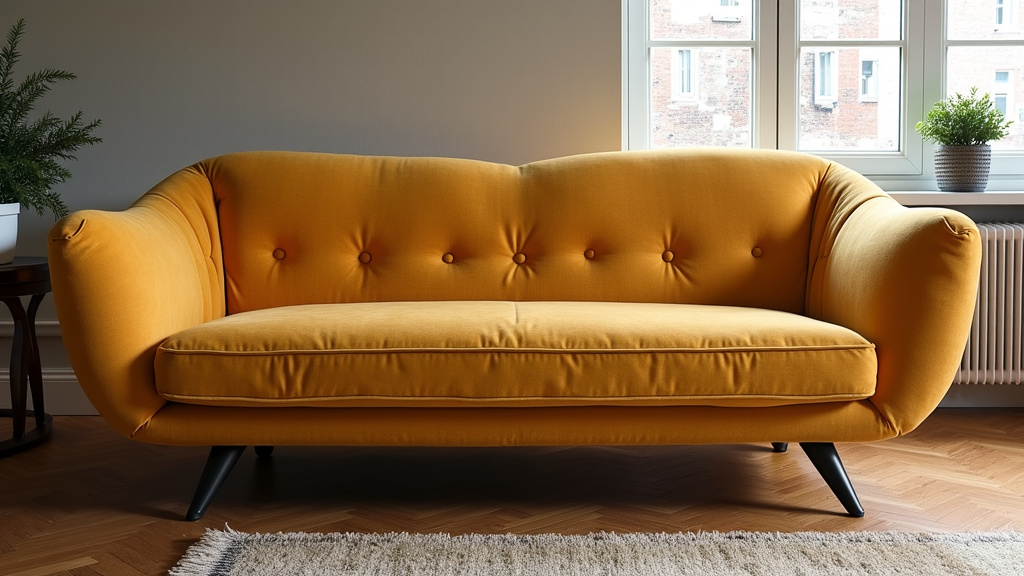
Fainting Couches Today: A Stylish Revival
While no longer needed for actual fainting, these couches have made a comeback. Their unique style is appealing. They bring a touch of vintage charm to modern homes.
Where You Might Find a Fainting Couch Now
You might see them in living rooms. They can be a stylish accent piece. Some people use them in bedrooms. They can also be found in home offices or reading nooks.
Their smaller size compared to a full sofa makes them great for tight spaces. They add a different seating option. They can be a conversation starter. Their history adds an interesting layer to their presence.
Choosing a Modern Fainting Couch
Today’s versions offer updated comfort. They might have better internal support. The upholstery options are vast. You can find them in a range of styles, from classic to contemporary.
When looking for one, consider your space. Think about how you’ll use it. Will it be for reading, napping, or just decor? These factors will help you choose the right size and style. A well-chosen fainting couch can be both beautiful and functional.
Quick Checklist for Identifying a Fainting Couch:
- Does it have a backrest that only goes part way up one side?
- Is there an open side that allows for reclining?
- Does it have a gracefully curved shape?
- Is it designed for single-person lounging?
- Does it have a generally elegant or sophisticated appearance?
- Does it seem like it could be used for resting or reading?
| Feature | Fainting Couch | Standard Sofa | Chaise Lounge |
|---|---|---|---|
| Backrest | Partial, on one side | Full length, on one side | None, or very low |
| Seating Capacity | Typically 1 person | 2-3+ people | Typically 1 person |
| Shape | Often curved, unique silhouette | Rectangular or L-shaped | Long, reclined form |
| Primary Use | Discreet resting, lounging | Seating, socializing | Relaxing, reclining |
Conclusion
You’ve learned that a fainting couch is more than just a stylish piece of furniture. Its unique partial backrest and often curved shape were born from the specific social customs and fashion of the Victorian era. It provided a discreet way for women to rest without compromising appearances. While no longer needed for their original purpose, fainting couches remain popular for their charm and comfort. If you’re looking for a piece that blends history with modern usability, consider adding a fainting couch to your home. Browse local antique shops or modern furniture stores to find one that fits your style.
Frequently Asked Questions
Are fainting couches still in style today?
Yes, fainting couches are definitely still in style. They are appreciated for their unique vintage charm and elegant design. Many modern interpretations offer updated comfort and a wide range of upholstery choices. They can serve as a stylish accent piece in various rooms.
What is the main difference between a fainting couch and a chaise lounge?
While both are for lounging, the key difference is the backrest. A fainting couch has a partial back on one side, allowing for a specific reclining posture. A chaise lounge typically has no backrest or a very low one, designed for a more stretched-out recline.
Can a fainting couch be used for everyday seating?
A fainting couch can be used for everyday lounging and reading. However, it’s primarily designed for single-person use and a specific reclining position. It might not be as practical for sitting upright and socializing as a standard sofa.
Where would you typically place a fainting couch in a home?
Historically, you’d find them in parlors or dressing rooms. Today, you might place a fainting couch in a living room as an accent piece. They also work well in bedrooms, reading nooks, or home offices where a touch of elegance is desired.
What materials were original fainting couches usually made from?
Original fainting couches were often constructed with solid wood frames built for durability. They were typically upholstered in luxurious fabrics such as velvet, silk, or damask. Expect to see ornate carvings and decorative details on antique pieces.