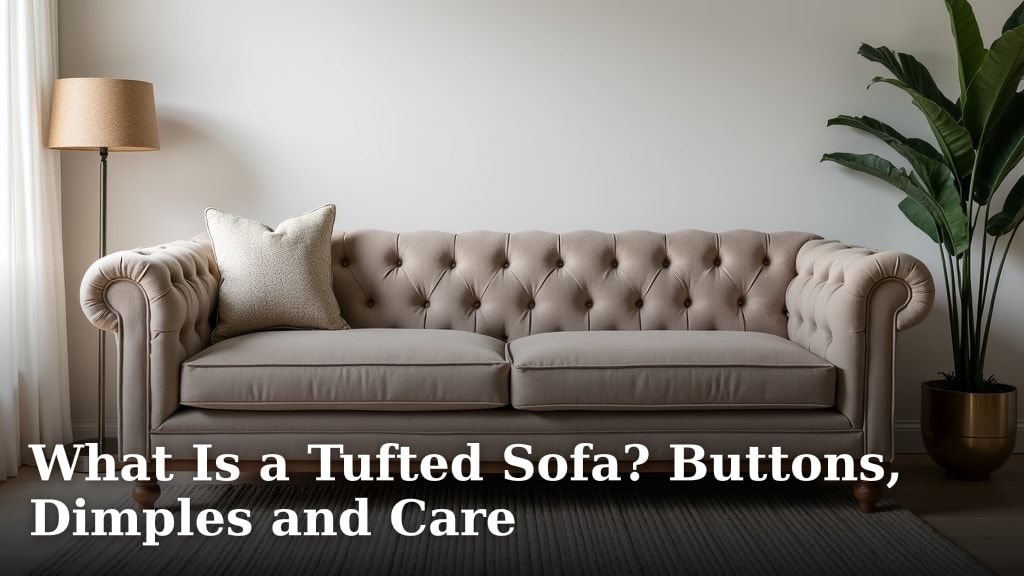
What Is a Tufted Sofa? Buttons, Dimples and Care
A tufted sofa is a piece of furniture with fabric pulled and secured by buttons or stitching, creating a decorative pattern of dimples or folds. This classic design technique adds a touch of elegance and texture to your living space. You’ll often see it in styles like Chesterfield sofas. It’s a timeless look that can suit many décor types.
Beyond its distinctive appearance, tufting offers a unique seating experience. The pulled fabric creates a softer, more cushioned feel. We found that properly caring for a tufted sofa helps maintain both its look and its comfort over time. Understanding the different tufting methods is key to its upkeep. It also influences its overall durability.
- A tufted sofa uses buttons or stitching to create decorative folds.
- This technique adds elegance and texture to furniture.
- Tufting can make a sofa feel softer and more comfortable.
- Proper care is important for maintaining its appearance and longevity.
Let’s dive into what makes a sofa tufted, how to care for yours, and what to look for when shopping.
Understanding Tufted Sofa Styles and Their Origins
A tufted sofa brings a touch of classic charm to any room. But what exactly makes a sofa “tufted”? It’s a design technique where fabric is pulled and secured, usually with buttons or stitching. This creates a distinctive pattern of dimples or folds across the surface. You might think of a Chesterfield sofa, famous for its deep button tufting. We found that this style has a rich history, adding to its appeal.
The Chesterfield: A Tufting Icon
The Chesterfield sofa is perhaps the most recognizable tufted style. Its deep button tufting, rolled arms, and high back are iconic. Research suggests it originated in England during the 18th century, designed for comfort and sophistication. This design remains popular today because of its elegant and formal look.
Beyond the Chesterfield: Other Tufted Designs
While the Chesterfield is a classic, tufting appears in many other sofa styles. You’ll find it on loveseats, sectionals, and accent chairs. Some sofas feature diamond tufting, where stitching forms a series of diamonds. Others might have simpler, shallower tufting. The depth of the tufting can change the overall feel of the sofa. Some modern designs even mix tufted elements with clean lines.
How Tufting is Created: Buttons vs. Stitching
The way tufting is done affects both the look and the durability of your sofa. There are two main methods: button tufting and stitching (or “thread”) tufting. Understanding these differences can help you when shopping or caring for your furniture.
Button Tufting: Deep and Defined
Button tufting involves actually sewing buttons through the fabric and into the sofa’s frame. These buttons are often covered in the same fabric as the sofa. This creates a more pronounced, deep-buttoned look. It’s the hallmark of a Chesterfield. We found that this method can create a very luxurious feel. However, over time, buttons can sometimes loosen or come off.
Stitching (Thread) Tufting: Subtle and Smooth
Stitch tufting uses strong thread to pull the fabric inward, creating a fold or dimple. There are no physical buttons involved. This method results in a smoother appearance than button tufting. It’s often seen in designs where a softer, less formal look is desired. This technique can be very durable because there are no buttons to detach. Many modern designs utilize stitch tufting.
The “No-Tool” Tufting Myth
You might see terms like “no-tool tufting.” This usually refers to stitch tufting. It means the tufts are created by thread, not by buttons that could potentially fall off. It’s a good way to achieve a tufted look without the worry of loose buttons.
Caring for Your Tufted Sofa: Keeping it Lovely
Tufted sofas can be beautiful, but they sometimes need a little extra care. The folds and buttons can trap dust and debris. Here’s how to keep yours looking great:
Regular Cleaning: Dust and Debris Removal
Start with a gentle vacuuming. Use the brush attachment on your vacuum cleaner. Go over all the tufted areas. Pay special attention to the crevices between the tufts and around buttons. Doing this weekly can prevent dirt from becoming embedded. Many experts suggest a weekly quick clean.
Spot Cleaning Stains: Act Quickly!
For spills, blot the area immediately with a clean, dry cloth. Never rub, as this can spread the stain. Mix a small amount of mild soap with water. Test this solution on an inconspicuous area first. Gently dab the stained area with a cloth dampened with the soapy water. Rinse by dabbing with a clean, damp cloth.
Dealing with Button and Stitching Care
If you have button tufting, periodically check the buttons. Ensure they are secure. If a button feels loose, you might be able to gently push it back into place. If you have stitch tufting, the main concern is keeping the stitches from snagging. Avoid placing your sofa where sharp objects might catch on the fabric.
Deep Cleaning and Maintenance
For a deeper clean, consider using a fabric-specific upholstery cleaner. Always follow the product instructions carefully. Many manufacturers recommend professional cleaning for stubborn stains or a full deep clean. Research shows that professional cleaning can extend the life of your upholstery. It helps remove allergens and deep-seated dirt.
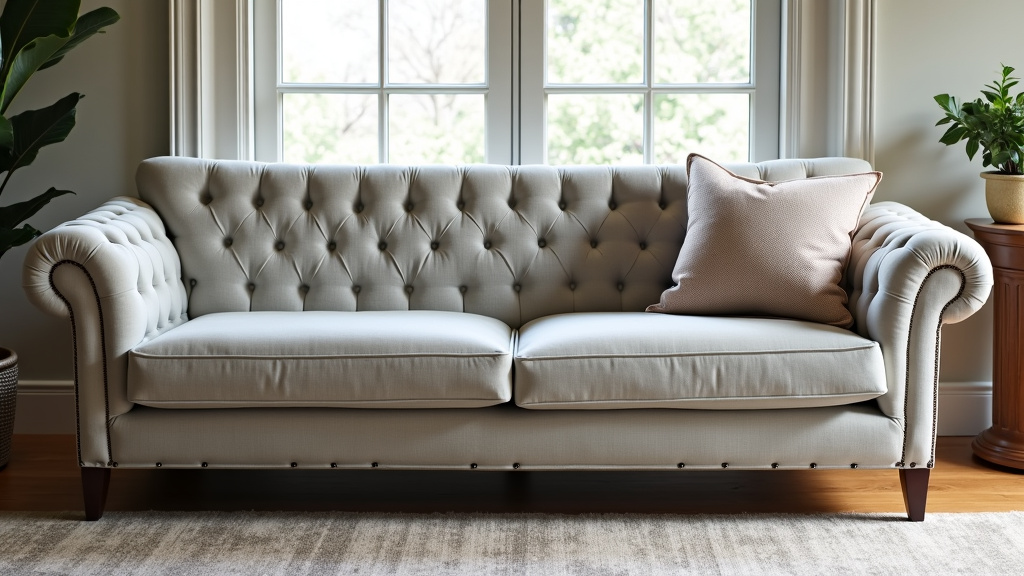
What to Look for When Buying a Tufted Sofa
Shopping for a tufted sofa can be exciting. Here are a few things we found helpful to consider:
Tufting Method Matters
Decide if you prefer the deep, classic look of button tufting or the smoother finish of stitch tufting. Consider how the tufting is secured. Are the buttons firmly attached? Are the stitches neat and tight? These details impact durability.
Fabric Choice is Key
The type of fabric will affect the look and feel. Velvet can enhance the plushness of tufting. Linen or cotton might offer a more casual appearance. Leather is also a popular choice for tufted sofas, often giving a very rich feel. Research the durability and cleaning requirements for your chosen fabric. Some fabrics are more prone to snagging.
Frame and Construction
Just like any sofa, check the frame construction. A solid wood frame is generally best for longevity. Also, consider the cushion filling. Does it offer the comfort you desire? A well-made frame supports the tufting and the overall structure.
Style and Scale
Make sure the sofa’s style fits your room. A large, deeply tufted Chesterfield might be perfect for a grand living room. A smaller, subtly tufted sofa could work in a cozier space. Measure your room and the sofa to ensure a good fit. Think about how the tufting contributes to the overall aesthetic you want to achieve.
Quick Checklist for Tufted Sofa Care
To keep your tufted sofa looking its best, try to follow these simple steps:
- Vacuum weekly with a brush attachment.
- Address spills immediately by blotting.
- Check buttons for tightness regularly.
- Test any cleaning solution in a hidden spot first.
- Consult manufacturer guidelines for deep cleaning.
- Rotate cushions if possible for even wear.
Conclusion
You’ve learned that a tufted sofa brings a special kind of elegance and comfort to your home. Whether you prefer the deep appeal of button tufting or the smooth finish of stitch tufting, understanding these methods helps you choose and care for your furniture. We’ve seen that simple, regular cleaning is key to maintaining its look and feel. By paying attention to fabric choice and construction, you can find a tufted sofa that lasts for years. Now, take a moment to assess your current sofa or plan your next purchase with confidence.
Frequently Asked Questions
How do I know if my sofa is button tufted or stitch tufted?
Button tufting means you’ll see actual buttons sewn into the fabric, often creating deep indentations. Stitch tufting, on the other hand, uses thread to create the dimples and folds, resulting in a smoother surface without visible buttons.
Can I repair a loose button on my tufted sofa myself?
For minor looseness, you might be able to gently push a button back into place. If it’s completely detached, you’ll likely need a needle and strong thread to reattach it securely, similar to sewing on a button.
What’s the best fabric for a tufted sofa if I have pets?
Consider fabrics like microfibers or tightly woven synthetics. These tend to be more durable and resistant to snags and stains from pets. Leather can also be a good option, as it’s often easier to clean.
How often should I deep clean my tufted sofa?
Deep cleaning frequency depends on usage and your environment. Generally, once or twice a year is sufficient for most homes. If you have children or pets, you might consider more frequent professional cleanings.
Will tufting make my sofa uncomfortable?
Not at all! Research suggests that tufting often enhances comfort by creating softer areas and a more cushioned feel. The dimples and folds distribute pressure, making the seating experience more pleasant.