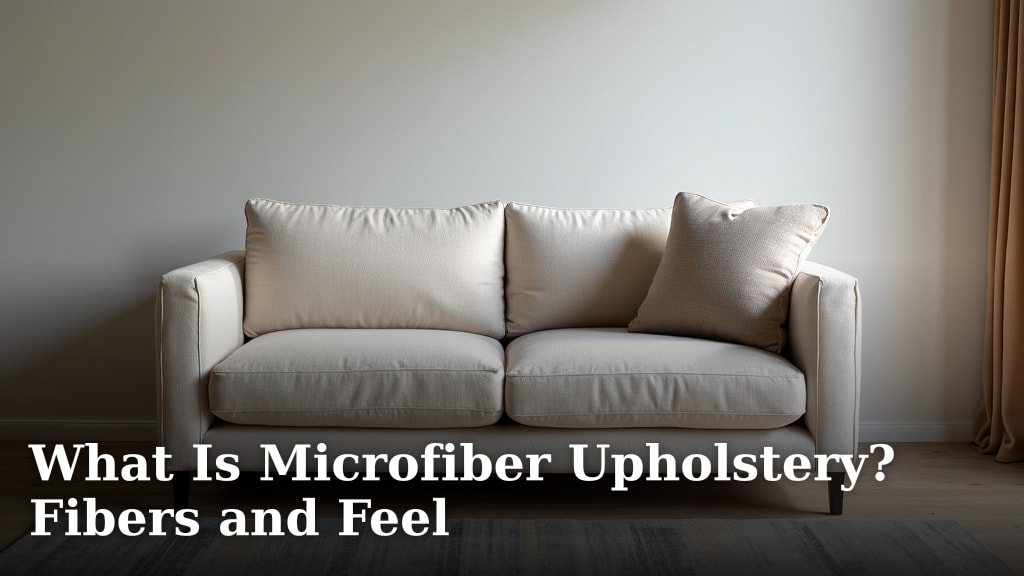
What Is Microfiber Upholstery? Fibers and Feel
Microfiber upholstery is a type of fabric made from extremely fine synthetic fibers, typically polyester or nylon. These tiny threads create a dense weave that feels incredibly soft and smooth to the touch, often resembling the texture of suede or velvet. It’s a popular choice for furniture due to its durability and stain resistance.
When you’re shopping for furniture, you’ll likely encounter microfiber upholstery. It’s known for being both practical and comfortable. Many consumers find that its tight weave makes it resistant to spills and wear. This fabric offers a great balance of performance and luxury for everyday living.
- Microfiber is a soft, synthetic fabric.
- It’s made from very fine polyester or nylon fibers.
- The fabric is dense, durable, and often stain-resistant.
- It can feel similar to suede or velvet.
- It’s a popular, practical choice for many furniture pieces.
Let’s look closer at what makes microfiber upholstery so unique, from its fiber construction to how it feels in your home.
Understanding Microfiber: What It Is and How It’s Made
Microfiber upholstery is a type of fabric known for its soft texture and durability. It’s made from synthetic fibers that are much finer than natural fibers. Think of it like incredibly thin threads woven together tightly. This tight weave gives microfiber its unique characteristics.
The Tiny Threads of Microfiber
The key to microfiber’s feel and performance lies in its fibers. These aren’t your average threads. They are spun from materials like polyester and nylon. Researchers found that these fibers are often less than one denier in diameter. A denier is a unit of measurement for fiber thickness. For comparison, silk is about two deniers. So, microfiber threads are actually finer than silk!
This extreme fineness means that a lot of these tiny fibers can be packed into a small amount of fabric. This density is what contributes to its smooth feel and its ability to resist liquids. It’s like having millions of tiny, soft bristles working together.
Polyester and Nylon: The Building Blocks
Most microfiber upholstery is made from either 100% polyester or a blend of polyester and polyamide (like nylon). Polyester is a synthetic polymer known for its strength and resistance to stretching and shrinking. It also holds color well, which is great for furniture that gets a lot of light.
Polyamide, or nylon, adds even more durability and elasticity to the fabric. It’s also very resistant to abrasion. When combined, these materials create a fabric that’s not only soft but also built to last. You can expect it to hold up well to daily use.
Why These Fibers Matter for Your Furniture
The choice of polyester and nylon isn’t random. These synthetic fibers are chosen for specific benefits. They are hydrophobic, meaning they don’t absorb water easily. This makes spills bead up on the surface rather than soaking in immediately. This characteristic is a big reason why microfiber is often recommended for homes with kids or pets.
Furthermore, these synthetic fibers are generally easier to clean than natural fibers. They don’t snag as easily and are less prone to pilling. We found that many manufacturers prefer these materials for their consistent quality and performance.
The Unique Feel and Texture of Microfiber
When you touch microfiber, the first thing you notice is its incredibly soft feel. It often gets compared to suede or velvet, but with a slightly different character. It’s smooth and luxurious without being overly plush.
Comparing Microfiber to Other Fabrics
Think about touching a soft microfiber cleaning cloth. Now imagine that same softness scaled up for your sofa. That’s the sensation you get. Unlike some natural fibers that can feel slightly rough, microfiber is consistently smooth.
Some people describe the feel as having a slight “nap,” similar to suede. This means the fibers have a slight direction. If you brush them one way, they might look lighter or darker. This subtle variation adds to its visual appeal. We found that this nap can give furniture a sophisticated look.
Is It Hot or Cold to the Touch?
This is a question many shoppers have. Because microfiber is made of synthetic fibers, it doesn’t breathe as well as natural materials like cotton or linen. This means it can feel warmer than those fabrics, especially in warmer climates or during hot weather.
However, the density of the weave also plays a role. The tight packing of fibers can sometimes trap air, offering a bit of insulation. For some, this can make it feel cozier. For others, it might feel a bit warm. It really depends on your personal preference and the environment.
The Smoothness Factor
The smoothness comes from the microscopic diameter of the fibers. When these tiny, rounded fibers are woven together, they create a surface that glides easily under your hand. There are no rough edges or coarse textures to interrupt the sensation.
This smoothness contributes to its luxurious feel. It’s a fabric that invites you to relax and enjoy your furniture. Many homeowners appreciate this tactile comfort. It makes lounging and seating a more pleasant experience. We found that this is a major selling point for many consumers.
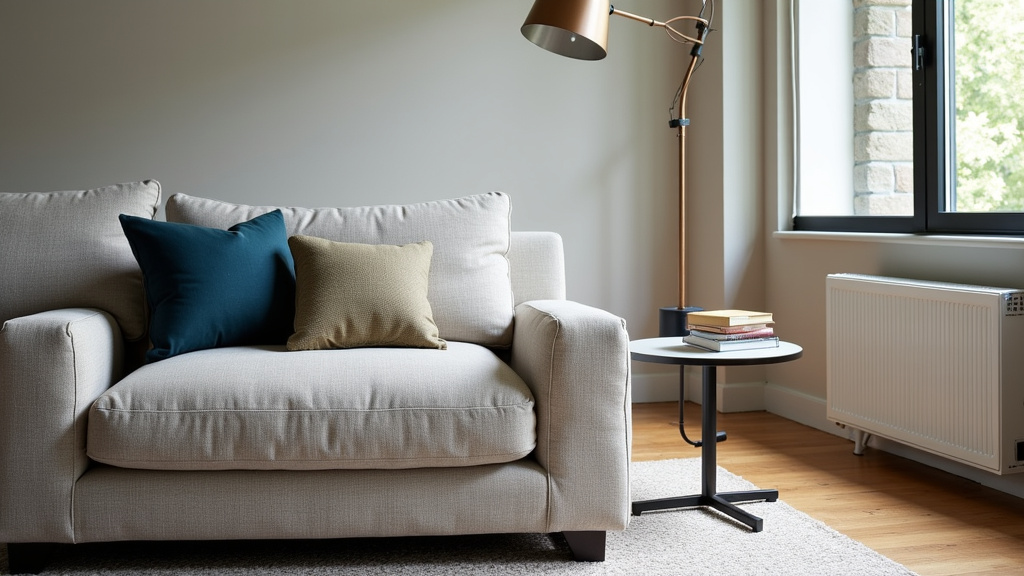
Performance Features: Why Microfiber is Practical
Beyond its feel, microfiber upholstery is prized for its practical advantages. It’s a fabric that can stand up to the demands of everyday life, making it a smart choice for busy households.
Durability and Wear Resistance
The tight weave and synthetic nature of microfiber make it exceptionally durable. The fine fibers are strong and resist fraying. This means your furniture is less likely to show signs of wear and tear, even with frequent use. Think of it as a shield against daily friction.
Research indicates that synthetic fibers like polyester and nylon are highly resistant to abrasion. This is measured in cycles, and microfiber typically scores very well. It can handle the rigors of kids playing, pets lounging, and general everyday living. You can feel confident that your furniture will maintain its appearance.
Stain and Spill Resistance
One of microfiber’s biggest selling points is its resistance to stains. Because the synthetic fibers are non-porous, liquids tend to sit on the surface. This gives you more time to blot up spills before they set in. Many manufacturers have found that this is a key reason why people choose microfiber.
For best results, it’s still important to act quickly when a spill occurs. Blotting with a clean, dry cloth is usually the first step. Water-based stains can often be cleaned with a mild soap and water solution. For tougher stains, specific upholstery cleaners designed for synthetic fabrics may be needed. Always check the manufacturer’s cleaning codes first.
Ease of Cleaning and Maintenance
Maintaining microfiber is generally straightforward. Regular vacuuming will help keep dust and debris from settling into the weave. For minor spills or spots, a damp cloth often does the trick. This low-maintenance aspect appeals to many shoppers.
When deep cleaning is needed, different types of microfiber might require slightly different methods. Some may be cleaned with water (W code), while others might need a solvent-based cleaner (S code). A few can handle either (W/S code). It’s crucial to know your fabric’s cleaning code. This information is usually found on a tag on your furniture. Following these guidelines ensures you clean it properly without causing damage.
Resistance to Odors and Allergens
Because microfiber doesn’t readily absorb liquids or oils, it’s also less likely to trap odors. This can be a significant advantage, especially in homes with pets or frequent cooking. It helps keep your furniture smelling fresh.
Additionally, the dense weave of microfiber can make it difficult for dust mites and allergens to penetrate the fabric. For individuals with allergies or asthma, this can contribute to a healthier indoor environment. Some studies suggest that tightly woven fabrics can reduce allergen exposure (National Institutes of Health).
Here’s a quick checklist to remember the benefits of microfiber:
- Soft and Smooth Feel: Comfortable and inviting to the touch.
- Durable Construction: Built to withstand daily use.
- Stain Resistance: Helps spills bead up for easier cleanup.
- Easy Maintenance: Generally simple to vacuum and spot clean.
- Odor Repellent: Less likely to hold onto unpleasant smells.
- Allergen Barrier: Dense weave can help reduce allergen trapping.
Conclusion
You’ve learned that microfiber upholstery is a fabric built for both comfort and practicality. Its core lies in extremely fine synthetic fibers, making it wonderfully soft while also being tough enough for daily life. You can count on its resistance to spills and wear, which makes cleaning and maintenance much simpler. When choosing your next piece of furniture, consider how microfiber’s unique blend of a luxurious feel and robust performance can fit your home. Take a moment to check the cleaning codes on any microfiber furniture you consider to ensure you’re prepared for its care.
Frequently Asked Questions
Is microfiber upholstery good for pets and kids?
Yes, microfiber is often a great choice for homes with pets and children. Its dense weave helps resist stains and spills, giving you more time to clean up messes before they set. The synthetic fibers are also quite durable, holding up well against active use. If you have pets and children, a modular sofa can be a versatile choice.
How does microfiber upholstery feel compared to real suede?
Microfiber is often compared to suede because of its soft, velvety feel. However, microfiber typically has a smoother finish and a more uniform nap than real suede. While it mimics the luxurious touch, it’s a synthetic material that offers different practical benefits like better stain resistance.
Can microfiber upholstery feel hot to sit on?
Because microfiber is made of synthetic fibers, it doesn’t breathe as well as natural materials like cotton or linen. This means it can feel warmer, especially in hot weather or climates. The tight weave might trap some heat, which some people find cozy while others may find it a bit too warm.
What are the cleaning codes for microfiber upholstery?
Microfiber upholstery usually has a cleaning code found on a tag. A “W” code means you can clean it with water-based cleaners, while an “S” code indicates you should use solvent-based cleaners. Some fabrics might have a “W/S” code, meaning either type of cleaner is okay, but always refer to the specific tag for your furniture.
Does microfiber upholstery attract lint and pet hair easily?
While microfiber is generally resistant to many things, it can sometimes attract lint and pet hair due to its soft texture. Regular vacuuming with the appropriate upholstery attachment can help manage this. Some microfiber types may be less prone to holding onto pet hair than others.