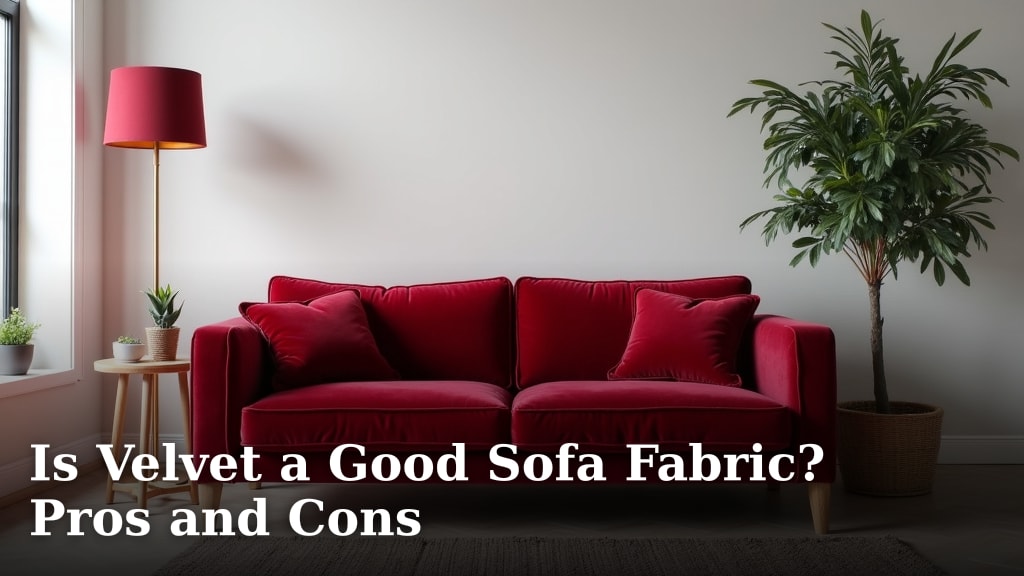
Is Velvet a Good Sofa Fabric? Pros and Cons
Yes, velvet can be a good sofa fabric, offering a luxurious feel and a rich look. It’s known for its soft texture and its ability to reflect light beautifully, making it a popular choice for stylish furniture. However, it’s important to understand both its advantages and potential drawbacks before you buy.
When considering velvet for your living room, think about its durability and ease of care. Many modern velvets are made from synthetic materials like polyester, which can be surprisingly tough and stain-resistant. This makes them a practical option for everyday use, even in homes with kids or pets. We found that understanding the specific type of velvet is key.
- Velvet offers a luxurious look and feel.
- Modern velvets are often durable and easy to clean.
- Consider your lifestyle when choosing velvet.
- It can be a great choice for a stylish, comfortable sofa.
Let’s break down the pros and cons of velvet sofas so you can make the best choice for your home.
Is Velvet a Suitable Choice for Your Sofa? Weighing the Good and the Not-So-Good
You’re thinking about a velvet sofa, aren’t you? It’s easy to see why. Velvet has that certain glamour that can really transform a room. But before you fall head over heels, let’s take a honest look at whether it’s the right fabric for your life. We’ve researched the details, and here’s what we found to help you decide.
The Allure of Velvet: Why It’s So Appealing
Velvet brings a unique sense of luxury to any space. Its soft, plush texture feels wonderful to the touch. It also has a natural sheen that changes as the light hits it. This gives it a depth and richness that many other fabrics just can’t match. Think of it like a high-end blanket – incredibly inviting and cozy.
A Touch of Elegance
Velvet is often associated with sophistication. It can make even a simple sofa design look more high-end. If you’re aiming for a formal living room or a cozy reading nook that feels a bit special, velvet can certainly deliver. It’s a fabric that has stood the test of time for a reason.
The Feel-Good Factor
Beyond looks, there’s the actual feel of velvet. It’s incredibly soft and smooth. This makes sitting on a velvet sofa a truly comfortable experience. It’s the kind of fabric that invites you to sink in and relax after a long day.
Practical Realities: What to Know About Velvet Sofas
While velvet looks beautiful, you’re probably wondering about its day-to-day performance. Is it just for show, or can it handle real life? Many modern velvets are made from synthetic materials. These can be surprisingly tough and practical. Let’s break down the pros and cons so you can make an informed choice.
The Upsides of Velvet
There are several good reasons why velvet remains a popular sofa choice. Let’s look at the advantages it brings to your home.
Durability of Modern Velvets
Don’t let its soft appearance fool you. Many velvets today are made from polyester or other synthetic fibers. These are known for their strength and resistance to wear and tear. We found that this makes them a good option for active households. They can hold up well to regular use.
Stain Resistance is Often Better Than You Think
Because many velvets are synthetic, they often have good stain resistance. Spills can sometimes bead up on the surface, giving you a chance to wipe them away before they soak in. This is a huge plus for families with children or pets. Always check the manufacturer’s cleaning instructions, though.
Color Richness and Depth
Velvet’s pile – those tiny upright fibers – has a unique way of reflecting light. This gives colors a deep, rich appearance. A navy blue velvet sofa will look different in the morning light than it will in the evening. This visual depth adds a sophisticated touch to your decor.
Hypoallergenic Qualities
For those who suffer from allergies, velvet can be a good choice. Unlike some natural fibers that can trap dust mites and pet dander, velvet’s dense pile can be easier to keep clean. Regular vacuuming can remove most allergens. This can contribute to better indoor air quality. Some sources suggest this benefit (Cleveland Clinic).
The Downsides to Consider
Now, let’s talk about the potential drawbacks. No fabric is perfect, and velvet has a few quirks you should be aware of before you commit.
Susceptibility to Crushing and Matting
The plush pile of velvet can be a double-edged sword. Heavy use or sitting in the same spot repeatedly can cause the fibers to crush or mat down. This can create a visible difference in the fabric’s texture and appearance. This is more common with older or lower-quality velvets.
Showing Scratches and Marks
Because the pile can be easily disturbed, velvet can sometimes show faint scratches. This might be from a pet’s claw, a dropped item, or even just rubbing against it. These marks are often light reflections, and you can sometimes brush them out. However, they can be noticeable.
Cleaning Can Be Tricky (Sometimes)
While many synthetic velvets are stain-resistant, the texture can make deep cleaning challenging. Some velvets require special cleaning methods, like professional dry cleaning. Always check the care label. Using the wrong cleaner could damage the pile or the color. For example, water spots can sometimes be an issue on certain types of velvet.
Heat Sensitivity
Some types of velvet, especially those made with natural fibers like silk, can be sensitive to heat. Direct sunlight or proximity to a heater can cause fading or damage over time. It’s wise to position your velvet sofa away from direct heat sources. This helps preserve its color and texture.
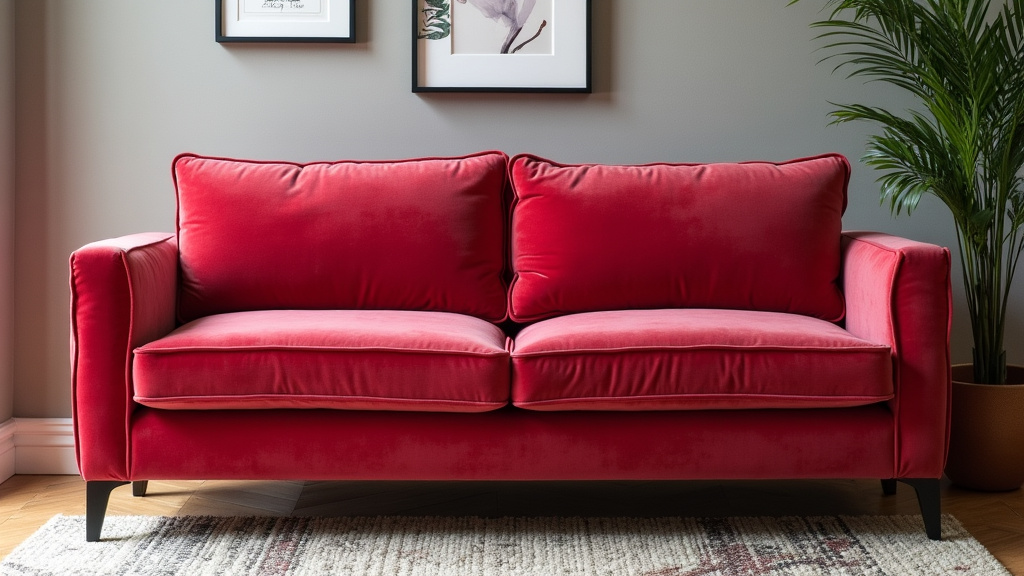
Velvet Sofa Fabric Types: What’s the Difference?
Not all velvets are created equal. Understanding the different types can help you choose one that fits your needs best. Here’s a quick rundown of common velvet materials and their characteristics.
| Fabric Type | Pros | Cons |
|---|---|---|
| Polyester Velvet | Durable, stain-resistant, affordable, easy to clean. Most common for sofas. | Can sometimes look less luxurious than natural fibers. |
| Cotton Velvet | Soft, rich sheen, luxurious feel. | Prone to crushing, can stain easily, often more expensive. |
| Silk Velvet | Extremely soft, beautiful drape, very luxurious. | Delicate, expensive, easily damaged, requires professional cleaning. |
| Rayon Velvet | Good sheen, soft feel, drapes well. | Can be prone to crushing and water spots. |
When shopping for a sofa, we found that polyester velvet is usually the best bet for most people. It offers a good balance of beauty, durability, and ease of care. It’s designed to handle everyday life.
Making the Choice: Is Velvet Right for Your Home?
So, to answer your question directly: yes, velvet can absolutely be a good sofa fabric. It offers a unique combination of luxury, comfort, and style. However, its suitability really depends on your lifestyle and what you prioritize.
Consider Your Household Dynamics
If you have young children or energetic pets, you might want to lean towards a durable polyester velvet. Look for options described as performance velvet or kid-friendly velvet. These are often treated for extra stain and wear resistance. If your home is generally calm and tidy, you might have more freedom to choose other types of velvet.
Maintenance Matters
Are you someone who enjoys routine dusting and vacuuming? Or do you prefer a wipe-and-go approach? Velvet requires a little more attention than some other fabrics. Gentle vacuuming and spot cleaning are often necessary. If that sounds like too much work, velvet might not be your ideal choice.
Your Personal Style Goals
Ultimately, what look are you going for? If you desire a sofa that makes a statement and adds a touch of old-world charm or modern glamour, velvet is a strong contender. It’s a fabric that truly stands out.
Checklist for Choosing a Velvet Sofa
Before you buy, take a moment to check these points:
- Verify the fabric type: Opt for polyester for durability.
- Read reviews: See what other owners say about wear and tear.
- Ask about cleaning codes: Know how you’ll maintain it.
- Consider its location: Avoid direct sun or heat sources.
- Test the texture: Make sure you love the feel.
- Factor in your pets/kids: Choose wisely based on your household.
Conclusion
So, is velvet a good sofa fabric for your home? We found that the answer is a resounding yes, with a few smart considerations. Velvet offers unparalleled luxury and comfort, making your sofa a true centerpiece. Modern polyester velvets are surprisingly durable and stain-resistant, proving practical for daily life. To make the best choice, assess your lifestyle – consider kids, pets, and how much maintenance you’re willing to do. If you’re ready for a stylish and inviting piece, If you’re ready for a stylish and inviting piece, consider a modular sofa and enjoy its beauty for years.choose a polyester velvet and enjoy its beauty for years.
Frequently Asked Questions
How do I clean a velvet sofa?
Generally, gentle vacuuming with an upholstery attachment is best for daily maintenance. For spills, blot immediately with a clean, dry cloth. Always check the manufacturer’s cleaning code for specific instructions, as some velvets may require professional cleaning.
Will a velvet sofa show wear and tear easily?
Modern polyester velvets are quite durable. However, like all plush fabrics, they can show crushing or matting in high-traffic areas over time. You can often refresh the pile by gently brushing it with a soft brush.
Is velvet good for homes with pets?
Velvet can be a good choice for pet owners, especially polyester blends. Its dense pile can make it harder for pet hair to embed deeply compared to other fabrics. However, be mindful of potential scratches from claws, though these are often superficial.
Can velvet sofas fade in sunlight?
Some velvets, particularly those made from natural fibers like silk or cotton, can fade with prolonged exposure to direct sunlight. It’s wise to position your velvet sofa away from direct sunbeams to preserve its rich color.
What is the difference between velvet and velour?
While both have a soft, plush feel, velvet is typically made from silk, cotton, or synthetics and has a denser, shorter pile. Velour is usually a knitted fabric, often made from cotton or polyester, and has a softer, stretchier feel, making it more common in casual wear.