What Is Aniline Leather? The Softest Finish
Aniline leather is a type of leather that has been dyed using a water-soluble dye. It retains the hide’s original surface and markings. This means it’s known for being incredibly soft, natural, and luxurious. It’s often considered the purest form of leather available.
Unlike other leathers, aniline leather receives minimal protection. This allows it to showcase the hide’s natural beauty and feel wonderfully supple. Because of this minimal treatment, it can be more prone to scratches and stains. Still, its natural charm and premium feel make it a top choice for many.
- Aniline leather is dyed with water-soluble dyes.
- It keeps the hide’s natural surface and markings.
- It’s known for its exceptional softness and natural look.
- It requires more care due to minimal surface protection.
- It’s considered the purest and most luxurious type of leather.
We’ve researched aniline leather thoroughly to help you understand it better. Let’s walk through what makes it so special and how to care for it.
“`htmlUnderstanding Aniline Leather: The Purest and Softest Finish
Aniline leather is a special kind of leather. It’s known for its incredibly natural feel and luxurious softness. Think of it as the most honest version of leather. It shows off the hide’s original characteristics. This means every piece has its own unique story and texture. It’s often called “full-grain aniline” or “pure aniline.”
The magic of aniline leather comes from how it’s treated. It’s dyed using water-soluble dyes. These dyes penetrate the leather without covering up its natural grain. This minimal processing is key. It preserves the hide’s surface, including any natural marks. This gives it a wonderfully supple and authentic look and feel.
How Aniline Leather Gets Its Signature Look and Feel
The dyeing process for aniline leather is quite different. Instead of heavy pigments, it uses clear, water-based dyes. This allows the natural beauty of the leather hide to show through. You can often see the pores, wrinkles, and even tiny scars. These aren’t flaws; they’re marks of authenticity. They tell the story of the animal the hide came from.
The Dyeing Process Explained
Imagine dipping a piece of natural paper into colored water. The water soaks in, coloring the paper evenly without hiding its texture. Aniline dyeing is similar. The hides are tumbled in drums filled with these transparent dyes. This coats the leather with color while preserving its original surface. This is a gentle process, unlike many other leather treatments.
What Makes It So Soft?
The softness of aniline leather comes from the minimal processing. Most other leathers undergo more extensive treatments. These can include sanding, buffing, and applying heavy protective coatings. These processes change the leather’s natural feel and can make it stiffer. Aniline leather skips most of these steps. This keeps its natural fibers flexible and soft to the touch. It feels wonderful against your skin.
The Benefits of Choosing Aniline Leather
When you choose aniline leather, you’re opting for something special. It’s not just about looks; it’s about the experience. The feel and character are unmatched. Let’s look at why it’s such a popular choice for quality items.
Unmatched Natural Beauty
Aniline leather truly showcases the original beauty of the hide. You’ll see variations in color and texture. These aren’t imperfections. They are signs that you have a genuine, natural product. This gives each piece a unique character that machine-made materials can’t replicate. It’s like owning a piece of natural art.
Luxurious Softness and Suppleness
We’ve already touched on this, but it’s worth repeating. The softness is incredible. Aniline leather is wonderfully supple. It molds to your body or the shape it’s in. This makes furniture feel inviting and clothing incredibly comfortable. It has a rich, warm feel that improves with age.
It Ages Beautifully
Unlike some materials that degrade over time, aniline leather often improves with age. It develops a beautiful patina. This is a natural sheen that comes from use and exposure. Think of a well-loved leather-bound book or an old leather armchair. This aging process adds character and value. It tells the story of your life with the item.
Breathability and Comfort
Because it’s less processed, aniline leather is more breathable. This means it can regulate temperature better. It won’t feel as sticky in warm weather or as cold in the winter. This breathability contributes to its overall comfort. It feels more natural against your skin than synthetic materials or heavily coated leathers.
Understanding the Different Types of Aniline Leather
While we’re focusing on pure aniline, it’s helpful to know there are variations. These are often grouped together but have slight differences in their finishing. Knowing these can help you make a more informed choice.
Pure Aniline (Unprotected Aniline)
This is the most natural type. It receives only the aniline dye treatment. There are no additional protective topcoats applied. This means it’s the softest and most breathable. However, it’s also the most susceptible to stains and scratches. It’s what most people think of when they hear “aniline leather.”
Semi-Aniline Leather
Semi-aniline leather is a bit of a hybrid. It’s dyed with aniline dyes, but it also receives a light protective topcoat. This topcoat offers a bit more resistance to stains and fading. It still retains much of the natural look and feel of pure aniline. But it’s more durable and easier to care for. This is a great option if you love the look but need a little more protection.
How to Identify Aniline Leather
Identifying aniline leather can be tricky, as it looks so natural. But there are a few clues you can look for. These will help you appreciate its unique qualities.
The Touch Test
Aniline leather feels exceptionally soft and smooth. It should feel supple and almost buttery to the touch. If it feels stiff or plasticky, it’s likely not aniline. It might be a corrected-grain or pigmented leather. Genuine aniline should feel natural and yielding under your fingertips.
Visual Inspection
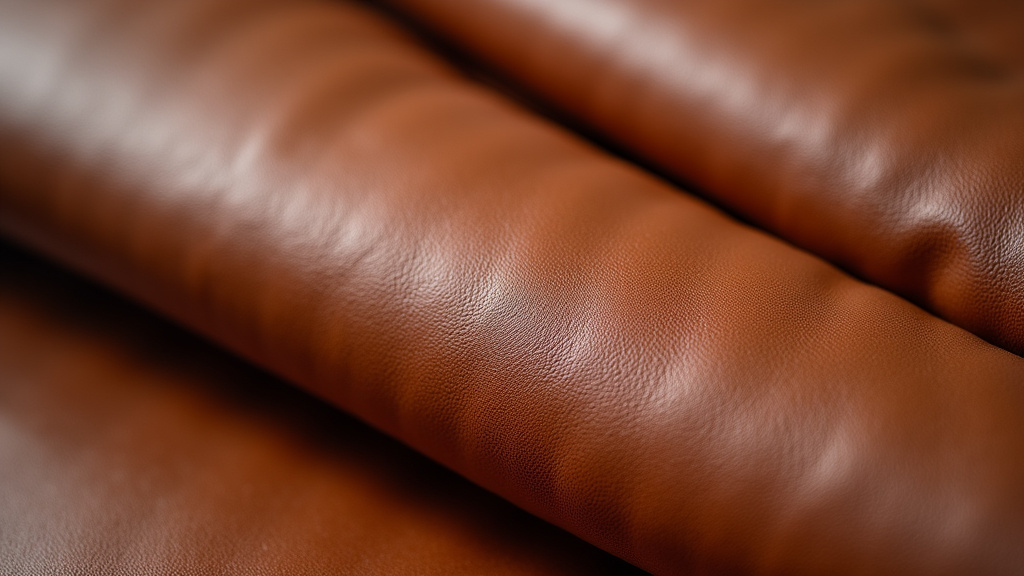
Look closely at the surface. Can you see the natural grain patterns? Are there small variations in color, small marks, or pores visible? If the surface looks uniform and perfect, it might be a more heavily processed leather. Pure aniline will often show subtle irregularities. These are signs of its authenticity.
Water Drop Test (Use with Caution!)
A common test involves a tiny drop of water. Place a single drop on an inconspicuous area. Pure aniline leather will absorb the water drop fairly quickly. This shows its porous, natural nature. If the water beads up and sits on the surface, it suggests a protective coating is present. This would likely mean it’s semi-aniline or a different leather type. We recommend testing this only if you are purchasing the item and have permission. It’s also best to test on a hidden spot.
Caring for Your Aniline Leather
Because aniline leather has minimal protection, it requires gentle care. Think of it like caring for fine silk or soft wool. You wouldn’t use harsh chemicals on those, and you shouldn’t on aniline leather either. Proper care will ensure your aniline leather goods look beautiful for years.
Regular Dusting and Wiping
Start with simple maintenance. Dust regularly with a soft, dry cloth. For light cleaning, use a slightly damp cloth. Wring it out very well so it’s barely moist. Wipe the surface gently. This removes surface dirt before it can become ingrained.
Dealing with Spills Immediately
Accidents happen! If you spill something on aniline leather, act fast. Blot the spill immediately with a clean, dry cloth. Don’t rub it, as this can spread the stain. For most spills, blotting is enough. If a mark remains, you might need a specialized aniline leather cleaner.
Using Approved Cleaners and Conditioners
Always use cleaners and conditioners specifically designed for aniline leather. Avoid household cleaners, detergents, or harsh chemicals. These can damage the natural finish. We found that using products recommended by the manufacturer is best. Always test any new cleaner on a hidden area first. A good quality leather conditioner can help keep the leather supple.
Protection from Sunlight and Heat
Aniline leather can fade if exposed to direct sunlight for long periods. Keep your aniline leather furniture or accessories away from windows. Also, avoid placing them near heat sources like radiators. Excessive heat can dry out the leather, making it brittle over time.
Aniline Leather Care Checklist:
- Dust your aniline leather items weekly with a soft cloth.
- Wipe down with a slightly damp cloth (well wrung-out) for general cleaning.
- Blot spills immediately – do not rub.
- Use only cleaners and conditioners made for aniline leather.
- Test any new product on a hidden spot first.
- Keep items out of direct sunlight and away from heat sources.
By understanding what aniline leather is and how to care for it, you can truly appreciate its natural charm. It’s a material that offers unparalleled softness and a look that only gets better with time.
“`Conclusion
You’ve learned that aniline leather offers an unparalleled natural beauty and luxurious softness. Its minimal treatment means it retains the hide’s original character, creating a truly unique and premium feel. While it requires gentle care due to its natural state, this attention ensures it ages gracefully, developing a beautiful patina over time. By understanding its unique properties and following simple care guidelines, you can confidently choose and enjoy aniline leather for its authentic charm and comfort. Your next step is to look for aniline leather pieces and appreciate their genuine, tactile quality.
Frequently Asked Questions
Will aniline leather scratch easily?
Yes, aniline leather can scratch more easily than other types of leather. This is because it has very little protective coating. Minor scratches often blend into the leather’s natural character or can sometimes be buffed out gently. It’s part of what gives aniline its authentic look.
Is aniline leather good for furniture?
Aniline leather is an excellent choice for furniture if you prioritize ultimate softness and a natural look. It feels wonderfully inviting and comfortable. However, you’ll need to be mindful of spills and sunlight to keep it looking its best. It’s a premium choice for those who appreciate its unique qualities.
How often should I condition aniline leather?
You should condition aniline leather periodically, perhaps once or twice a year, depending on your climate and usage. Over-conditioning can actually harm the leather. Always use a conditioner specifically formulated for aniline leather. This helps keep it supple without damaging its natural finish.
Can I use baby wipes to clean aniline leather?
No, you should avoid using baby wipes or any household cleaners on aniline leather. These products often contain chemicals that can strip away the natural oils and damage the finish. Stick to a slightly damp cloth for light cleaning and specialized aniline leather cleaners for tougher spots.
Does aniline leather change color over time?
Aniline leather can develop a patina, which is a natural sheen that comes with age and use. It might also slightly darken in areas from body oils or exposure. Direct sunlight can cause fading. These changes are part of its natural aging process and contribute to its unique character.