What Is a Divan Sofa? Its Origins and Its Shape
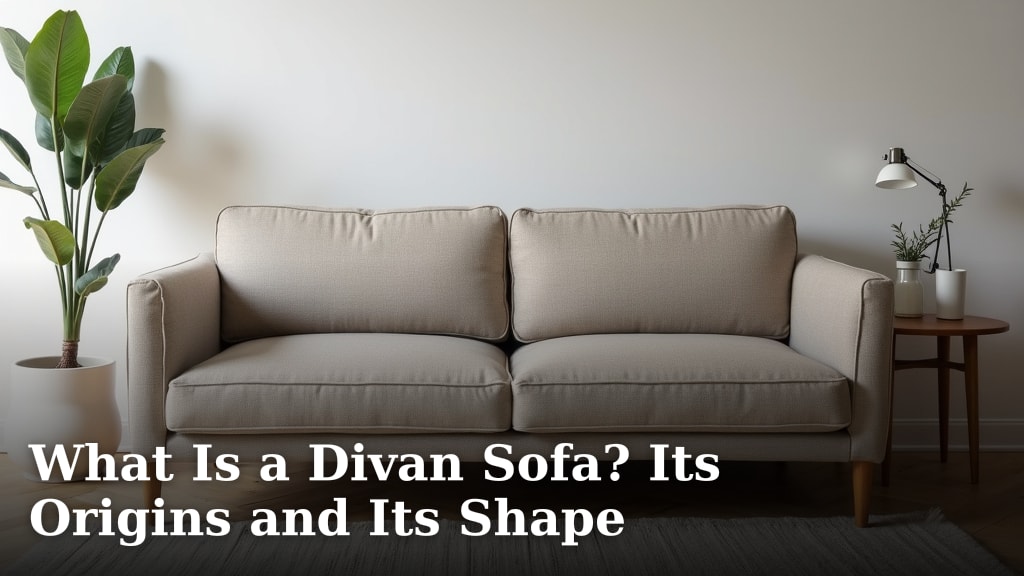
A divan sofa is a backless sofa with a sturdy, upholstered base. It typically has arms but lacks a backrest, giving it a clean, low-profile look perfect for modern spaces.
This versatile piece of furniture is both a sofa and a seating area. Its design is thought to have originated from the Ottoman Empire, used as a daybed or long bench. You’ll find it adds a unique, spacious feel to any room.
- A divan is a backless sofa with a solid, upholstered base and often arms.
- Its design is believed to have roots in the Ottoman Empire.
- The shape is typically rectangular, offering a clean and versatile silhouette.
- It works well as extra seating, a room divider, or a primary sofa.
- The lack of a back creates an open feel, making rooms seem larger.
Let’s explore the details of this unique furniture style together. Below, we break down its history, typical shape, and the best ways to use it in your home.
The Divan Sofa: Understanding Its Origins and Shape
A divan sofa is fundamentally a backless sofa with a solid, upholstered base, often featuring arms but no backrest. This simple, low-profile design creates an open, airy feel in any room.
Tracing the Divan’s Historical Roots
The story of the divan begins in the Ottoman Empire. It was not originally a sofa as we know it today. Research indicates that it served as a long bench or daybed in the private rooms of palaces and homes.
The Original “Divan” in Ottoman Culture
In Ottoman society, the term “divan” referred to a council chamber or a gathering of officials. The furniture piece was central to these spaces. It was designed for conversation, relaxation, and even sleeping, making it a multi-functional staple.
Journey to Western Living Rooms
The design traveled westward through trade and cultural exchange. By the 18th and 19th centuries, European furniture makers adapted the concept. They began crafting upholstered backless benches for parlors, blending Ottoman influence with local styles.
The Physical Shape and Build of a Divan
Today, the divan’s shape remains true to its roots. It is almost always rectangular. The structure is straightforward: a sturdy wooden frame supports a thick, cushioned top. Upholstery covers the entire piece, giving it a clean, finished look.
Frame and Upholstery Materials
Most divan frames are built from solid wood or engineered wood for durability. The cushioning often uses high-density foam. We found that upholstery choices greatly affect both comfort and aesthetics. Common fabrics include cotton, linen, velvet, and leather, each offering a different texture and level of resilience.
The Role of Arms (Or Lack Thereof)
While many divans include arms, they are not a defining feature. Some models have no arms at all, enhancing the minimalist feel. The absence of a backrest is the key characteristic, setting it apart from other seating.
How Divan Sofas Function in Modern Homes
The divan’s versatility makes it a popular choice for contemporary spaces. Its simple form allows it to adapt to various roles beyond just sitting.
As a Primary Seating Option
When used as a main sofa, a divan provides a sleek, modern aesthetic. It is particularly effective in small apartments or open-plan living areas. The lack of a bulky back helps the room feel larger and less cluttered.
As Extra Seating and a Guest Bed
Many homeowners use a divan in guest rooms or home offices. It acts as a comfortable spot for reading during the day. At night, with a few added pillows, it can serve as a cozy sleeping surface for overnight visitors.
As a Room Divider in Open Spaces
Placing a divan in the middle of a large room can subtly define different areas. For example, it can separate a living area from a dining space. This creates zones without the need for walls, maintaining an open flow.
Practical Considerations and Styling Tips
Choosing and placing a divan involves thinking about both form and function. A few key factors can help you make the best decision for your home.
Measuring and Placement Strategies
ConclusionA divan sofa offers a unique blend of history and modern function. Its backless, rectangular form originates from Ottoman daybeds. Today, it provides a clean, versatile seating solution. You can use it as a main sofa, extra guest bed, or a stylish room divider. This simple design helps create an open, airy feel in your home. We recommend you consider both your space and needs when choosing one. Measure your room carefully and think about the upholstery that fits your lifestyle. A divan could be the perfect, uncluttered piece to tie your space together.
Frequently Asked Questions
Is a divan sofa comfortable enough for daily use?
Comfort depends on the quality of the frame and cushioning. Most modern divans use high-density foam or inner-spring foundations. They are designed for regular sitting. Adding pillows against a wall can also create a supportive backrest when needed.
How do you assemble or put together a divan sofa?
Assembly is usually straightforward. The upholstered base often comes in one or two pieces. You may need to attach the arms if they are included. Check the product details, as some models are delivered as a single, ready-to-use unit.
What is the best way to clean and maintain a divan?
Always check the care tag first. For fabric upholstery, regular vacuuming with a brush attachment helps. Blot spills immediately with a clean, dry cloth. Consider a fabric protector spray for added longevity, especially in busy households.
Where is a divan sofa best suited in a home?
Divans are incredibly versatile. They are excellent for small living rooms, apartments, or studio spaces. You can place one in a guest room for dual use, or position it in an open area to define a seating zone without blocking light.
Did the original Ottoman divans have arms?
Historical records suggest the original divans were long benches. They often had no arms to allow for flexible seating arrangements. The addition of arms is a later, Western adaptation of the design for added comfort and structure.