What Is a Mid Century Modern Sofa? Key Traits

A mid-century modern sofa is a couch designed between roughly 1945 and 1969, often featuring clean lines, organic shapes, and a blend of natural and man-made materials. Think of it as furniture that bridges the gap between comfortable living and stylish design, without being overly fussy. These sofas are known for their functional elegance and their ability to fit into many different room styles.
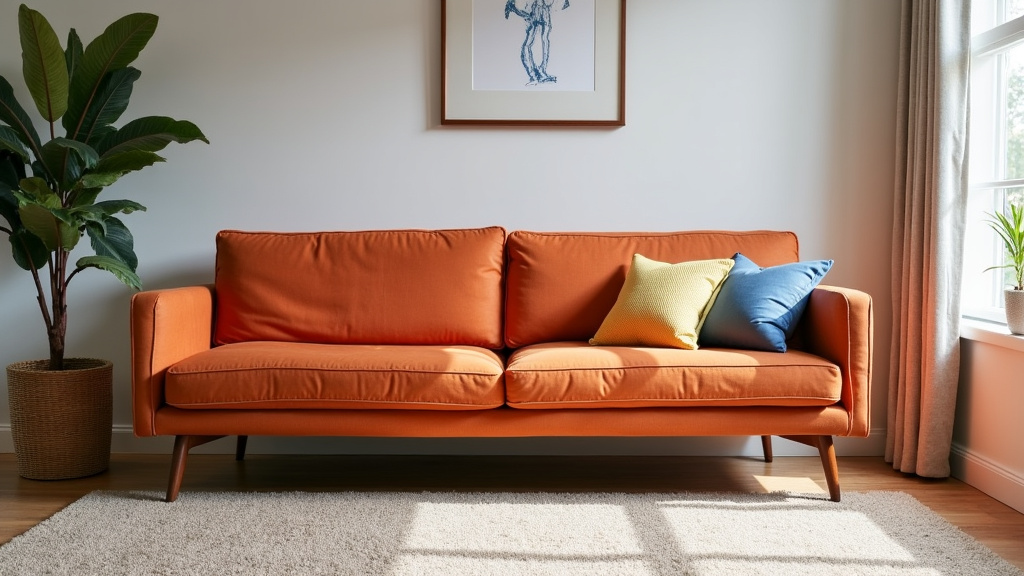
When you think of mid-century modern, you might picture a sofa with tapered wooden legs, low profiles, and a focus on simplicity. They often have a streamlined silhouette that feels both retro and timeless. Many feature tufting or button details, but always in a way that enhances the clean design rather than overwhelming it. We found that this style is incredibly popular because of its versatile appeal.
- A mid-century modern sofa is from the 1945-1969 era.
- Key traits include clean lines and organic shapes.
- Tapered legs and low profiles are common features.
- Materials often mix natural and man-made elements.
- It offers a blend of style and everyday comfort.
Ready to find the perfect one for your space? Below, we’ll break down the key traits that define a mid-century modern sofa, so you can spot one with confidence.
“`htmlKey Features of Mid-Century Modern Sofas
So, what makes a sofa truly mid-century modern? It’s a combination of design elements that were popular between the mid-1940s and the late 1960s. These sofas aren’t just furniture; they’re a statement of style. They blend form and function beautifully. You’ll often find they feel both vintage and perfectly current.
The Silhouette: Clean Lines and Low Profiles
One of the most defining traits is the clean, simple silhouette. You won’t see fussy curves or overly ornate details. Instead, think of straight lines or gentle, organic curves. The overall profile tends to be lower to the ground. This gives them a grounded, stable look. It also makes your room feel more open and airy.
This low-slung design was partly a response to the changing way people lived. Homes were becoming less formal. Sofas needed to be comfortable and inviting for everyday use. Research from design historians points to this era as a time when furniture became more accessible and less about pure ornamentation (Design Quarterly archives).
Legs That Make a Statement
The legs of a mid-century modern sofa are often a distinctive feature. They are usually exposed, not hidden by skirts or bulky bases. You’ll frequently see tapered legs. These legs often angle outward, giving the sofa a light, almost floating appearance. They might be made of wood, like walnut or teak, or sometimes metal.
The craftsmanship in these legs is often quite visible. They aren’t just functional supports; they’re part of the overall aesthetic. This attention to detail adds to the sofa’s charm. We’ve found that the leg style can dramatically change the feel of a sofa, even if other elements are similar.
Materials: A Blend of Natural and New
Mid-century modern design celebrated a mix of materials. Sofas from this era often combine natural elements with newer, man-made ones. Think of solid wood frames paired with upholstered cushions. The upholstery itself might be made from fabrics like wool, linen, or cotton. Sometimes, you’ll see leather or even performance fabrics that were innovative for the time.
Many designers also incorporated materials like plastic, fiberglass, and metal. While you might not see these in the main upholstery, they could appear in legs, frames, or decorative accents. This experimentation with materials was a hallmark of the period. It aimed for both durability and a fresh, modern look.
Comfort Meets Practicality
Despite their stylish appearance, these sofas were designed for real-life living. Comfort was a key consideration. Cushions are typically firm yet comfortable, offering good support. The seat depth is often moderate, making it easy to sit and stand. They are built to be used and enjoyed, not just looked at.
The practicality extends to their size and scale. Many mid-century modern sofas are not excessively large. This makes them suitable for a variety of room sizes, from cozy apartments to spacious homes. Their streamlined forms don’t overwhelm a space, allowing other decor elements to shine.
Color Palettes: Bold and Earthy
The color choices for mid-century modern sofas often reflect the era. You’ll find a range of options. Some feature vibrant, bold colors. Think mustard yellow, avocado green, or teal. These add a cheerful pop to a room. Others lean towards more earthy, natural tones.
These include warm grays, browns, olives, and muted blues. These colors create a calming and sophisticated atmosphere. Many sofas also come in neutral shades like beige or cream, serving as a versatile backdrop for colorful cushions or throws. We found that the color can really set the mood for your entire living space.
Iconic Design Elements
Beyond the general traits, certain specific design details are often seen:
- Button Tufting: Sometimes, you’ll see simple button tufting on the seat or back cushions. This adds a subtle texture without being too elaborate.
- Channel Tufting: Another popular style is channel tufting, where straight lines or channels are sewn into the upholstery, creating a ribbed effect.
- Sculptural Arms: The armrests might be gently curved or have a distinctive shape that adds to the sofa’s overall form.
- Piping: Contrasting or matching piping along the edges of cushions and seams adds a clean, tailored finish.
Is a Mid-Century Modern Sofa Right for Your Home?
You might be wondering if this style fits your personal taste and home décor. The beauty of mid-century modern design is its adaptability. It works well in many different settings. Do you love clean lines and uncluttered spaces? Does a piece of furniture that’s both functional and stylish appeal to you?
These sofas can complement a variety of interior design styles. They look great in modern homes, of course. But they can also add a touch of retro flair to a more traditional space. They even blend well with bohemian or eclectic styles. Their timeless appeal means they don’t feel tied to a single trend. Many homeowners tell us they appreciate how easily these sofas integrate with other pieces they already own.
Putting It All Together: Your Mid-Century Modern Checklist
To help you identify a true mid-century modern sofa, keep this checklist in mind:
- Low Profile: Does it sit relatively low to the ground?
- Tapered Legs: Are there visible legs, often tapered and possibly angled?
- Clean Lines: Is the overall shape simple and uncluttered?
- Minimal Ornamentation: Are there few decorative flourishes?
- Mix of Materials: Does it seem to use wood or metal along with upholstery?
- Comfortable Seating: Does it look inviting and comfortable for everyday use?
A Look at Common Sofa Styles from the Era
While the core principles remain, mid-century modern sofas came in various forms. Understanding these can help you find the perfect match:
The Classic Three-Seater
This is perhaps the most common. It’s a straightforward sofa designed for comfortable seating for three. They typically feature a long, rectangular seat and back. The arms can vary, from slim track arms to slightly more rounded ones. The legs are almost always a prominent feature.
The Loveseat or Two-Seater
Smaller in scale, the loveseat offers cozy seating for two. It shares all the key mid-century modern traits but in a more compact size. This is ideal for smaller living rooms, apartments, or as an extra seating option in a larger space.
The Sectional Sofa
While less common than their single-unit counterparts, mid-century modern sectionals do exist. These often have modular components that allow for flexible arrangements. They usually maintain the clean lines and tapered legs, offering a stylish, L-shaped or U-shaped seating solution.
The Sofa with a Distinctive Frame
Some designs really emphasize the frame itself. You might see sofas with exposed wood frames that wrap around the upholstery, or pieces where the back or arm structure is a key design element. These are often considered more sculptural.
Materials Comparison: What to Expect
When you’re shopping, you’ll encounter different material combinations. We’ve found that understanding these helps you choose for durability and style.
| Material Category | Common Examples | Typical Use | Pros | Cons |
|---|---|---|---|---|
| Frame Materials | Solid wood (walnut, teak, oak), Plywood, Metal | Internal structure, legs, sometimes exposed elements | Durable, stable, natural beauty (wood) | Can be heavy, wood can be prone to scratches |
| Upholstery Fabrics | Wool, Linen, Cotton, Blends, Leather, Performance Fabrics | Seat cushions, backrests, arms | Comfortable, breathable (natural fibers), durable (performance), luxurious (leather) | Natural fibers can stain easily, leather requires care, some synthetics may not breathe well |
| Leg Materials | Solid wood, Metal (chrome, brass, black iron) | Support structure | Adds style, stability | Wood can scratch, metal can be cold |
Many pieces from the era, and modern reproductions, prioritize materials that are both aesthetically pleasing and built to last. Research on furniture longevity suggests that solid wood frames and high-quality upholstery offer the best long-term value (Furniture Industry Research Association data).
“`
Conclusion
You’ve learned that a mid-century modern sofa is more than just a piece of furniture; it’s a design statement from a specific era. Its hallmarks – clean lines, tapered legs, a blend of materials, and a focus on comfort – make it incredibly adaptable. This style brings a timeless, functional elegance to your home. Now that you know the key traits, you’re well-equipped to spot one. Your next step is to start browsing furniture stores or online marketplaces with a clear idea of what makes a mid-century modern sofa truly special for your space.
Frequently Asked Questions
What makes a sofa “mid-century modern” versus just “modern”?
A “mid-century modern” sofa specifically refers to designs from the 1945-1969 period, with distinct traits like tapered legs and organic shapes. “Modern” can be a broader term for current design styles, which might share some clean lines but lack the specific historical context and signature elements of mid-century pieces.
Are mid-century modern sofas still comfortable for everyday use?
Yes, comfort was a key design principle for mid-century modern sofas. They typically feature firm, supportive cushioning and a moderate seat depth, making them practical for daily lounging and seating. Their design prioritizes both form and function for real-life living. If you need a sofa that also functions as a bed, consider a sleeper sofa.
Can a mid-century modern sofa fit into a non-modern interior design style?
Absolutely. The clean lines and timeless appeal of mid-century modern sofas allow them to blend surprisingly well with various styles, including traditional, eclectic, or even bohemian. They can add a touch of retro sophistication without clashing.
What are the best materials for a mid-century modern sofa’s upholstery?
Natural fibers like wool, linen, and cotton were common and offer breathability. Leather also adds a touch of luxury. For durability and easier cleaning, modern performance fabrics that mimic these textures are excellent choices and align with the era’s use of innovative materials.
Where can I find authentic mid-century modern sofas or good reproductions?
You can find authentic pieces at vintage furniture stores, antique shops, and estate sales. For reliable reproductions, look to reputable furniture brands known for their mid-century modern collections. Always check product descriptions for material and design details.