What Is a Reclining Sofa? How Recliners Work
On this page (6 sections)
A reclining sofa is a comfortable couch with built-in parts that let you lean back and raise your feet. It uses a reclining mechanism—either a manual lever or an electric motor—to move the backrest and footrest. Most people love them for ultimate relaxation and support while watching TV or napping.
These sofas are designed for everyday comfort. We found that they come in many styles, from classic leather to modern fabric, to fit your living room. The key is the internal frame and gears that smoothly shift your weight, letting you find the perfect position with ease.
- A reclining sofa lets you move the backrest and footrest independently.
- Mechanisms can be manual (you pull a lever) or powered (you press a button).
- They are great for movie nights, reading, or giving your legs a rest.
- Common types include “push-back,” rocker, and wall-hugger recliners.
- Always check your room’s space to make sure it can fully open.
Below, we’ll break down exactly how the reclining mechanisms work step by step. You’ll learn about the different types and what to look for when choosing your own.
Understanding How a Reclining Sofa Works
A reclining sofa is a couch with a clever internal frame that allows the backrest to tilt and the footrest to lift. The magic happens via a system of levers, springs, gears, or motors. This mechanism shifts your weight and leverage, so a small effort moves large parts. It’s a simple but effective design meant for supporting your body in a reclined position.
When you activate the recliner, you’re essentially disengaging a lock. This lets the frame parts pivot on their hinges. Springs then help assist or control the movement, making it smooth and not jarring. The result is a stable, comfortable position that takes pressure off your lower body.
The Two Main Types of Reclining Mechanisms
You’ll find two primary ways a sofa reclines: manual and power. Each has its own pros and cons. Your choice often comes down to budget, ease of use, and how many positions you want.
Manual Recliners: The Classic Lever or Pull
A manual recliner uses a lever, handle, or simply your body weight to operate. The most common is the push-back style. You lean back with firm pressure on the backrest, and the footrest pops up. Others use a side lever you pull or a handle between the cushions. This type is usually more affordable. It also has no electrical components to potentially fail.
Power Recliners: The Button-Powered Ease
Power recliners use a small electric motor to move the parts. You press a button on a control panel, often found on the side or armrest. The motor does all the work for you. Many power models offer more than two positions, allowing you to stop at any angle. Some even include features like USB charging ports or a built-in sofa console. They provide effortless operation, which is helpful for those with mobility issues.
Common Types of Reclining Sofas Explained
Not all reclining sofas are the same. They come in different configurations to fit your space and needs. We found that the three most popular styles each solve a specific problem. For another sofa that changes how a room is used, see our guide to sofa beds.
Standard Two-Position Recliner
This is the most basic and common type. It has two set positions: upright and fully reclined with the footrest up. It’s simple, reliable, and often the most budget-friendly option. It’s a solid choice if you primarily want a place to kick your feet up after work.
The Space-Saving Wall-Hugger
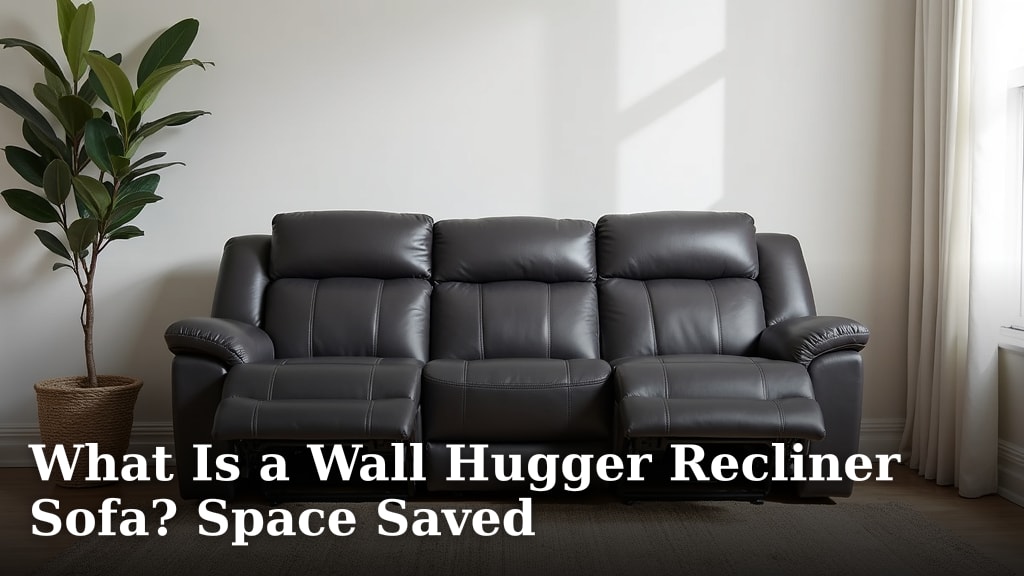
Do you have a smaller living room? A wall-hugger recliner, also called a wall-away recliner, is designed to work in tight spaces. The mechanism allows the sofa to recline while sliding forward. This means you can place it just a few inches from a wall. It still gives you a full recline without requiring a large gap behind the furniture.
The Gentle Motion of a Rocker-Recliner
A rocker-recliner combines a reclining function with a gentle rocking motion. The base allows the chair to rock back and forth when it’s in the upright position. This is a favorite for nurseries or anyone who finds a soothing motion relaxing. Once you recline, the rocking motion stops for stability.
Gliders and Swivel Gliders
Similar to a rocker, a glider recliner moves back and forth on a fixed track. This creates a smooth, linear motion rather than an arc. A swivel base adds the ability to turn the chair left or right. This makes it great for turning to join a conversation or watch different screens in a room.
Benefits and Practical Considerations
Reclining sofas offer more than just a place to sit. They can be a smart part of your living space if you choose the right one.
Comfort and Health Support
The ability to elevate your feet can reduce swelling in your legs and feet. This is a common benefit noted in health resources. The Mayo Clinic suggests that elevating your legs can improve circulation and relieve pressure on your heart. A good recliner supports your neck, back, and legs, which can reduce strain from long periods of sitting. It’s not a medical device, but proper support matters for everyday comfort.
Key Features to Look For
When shopping, pay attention to the build quality. A sturdy frame, usually made of kiln-dried hardwood or metal, will last longer. Check the padding in the seat and back for firm support. The mechanism should feel smooth and quiet when operated.
Consider the fabric or leather. Performance fabrics are great for resisting stains and easy to clean. Leather offers a classic look but requires more care. Always test the reclining action yourself if possible. Sit in it, work the mechanism, and see how it feels for your body.
Your Reclining Sofa Shopping Checklist
Ready to find the perfect match? Use this simple checklist to guide your decision.
- Measure Your Space: Account for the sofa’s footprint and the extra space needed to fully recline.
- Test the Mechanism: Try the lever or buttons. Does it move smoothly and quietly?
- Check the Frame: Ask about the frame material. Hardwood or high-quality metal is best.
- Sit for Comfort: Does the cushioning support you well? Is the back height right for your head?
- Consider Your Household: Think about kids, pets, and spills. Choose a durable, easy-to-clean material.
- Think About Power Needs: If choosing electric, note where the outlet is and if you need a battery backup.
A reclining sofa is a fantastic investment in your comfort. By understanding how they work and what to look for, you can choose a piece that will make your living room the coziest spot in your home for years to come.
Conclusion
Choosing a reclining sofa means understanding the simple mechanics behind the comfort. You now know how manual levers and power motors smoothly move the frame. You’ve also seen the different styles, from space-saving wall-huggers to gentle rockers. Remember to prioritize a sturdy frame and a mechanism that feels right for you. Your final step should be to measure your room carefully and visit a store to test the feel and function of your top choices.
Frequently Asked Questions
How much space do I need behind a reclining sofa?
The required space depends entirely on the type of recliner. A standard recliner may need 12 to 18 inches from the wall. A wall-hugger model only requires about 4 to 6 inches. Always check the product specifications for the “wall clearance” dimension before buying.
Can the upholstery on a reclining sofa be cleaned?
Yes, most recliner upholstery can be cleaned, but methods vary. For fabric, a gentle vacuuming and spot cleaning with a mild detergent is often sufficient. Leather requires specific conditioners and cleaners. Always check the manufacturer’s care tag for cleaning codes.
Are recliners safe for kids and pets?
Most recliners have moving parts that can pinch fingers or paws, so supervision is advised. The base is very stable, but the rocking motion on a rocker-recliner should be used with care. Always teach children to operate the mechanism only with an adult present.
What happens if the power goes out on a power recliner?
If you lose power, your recliner will stay in its current position. It will not move until power is restored. Some models offer a manual override or backup battery for emergency use. You can typically return it to the upright position by hand.
How long do reclining mechanisms typically last?
A well-made reclining mechanism from a reputable brand can last 10 years or more with proper use. The lifespan depends on the quality of the frame, springs, and gears. Regular maintenance, like not overloading the sofa, helps ensure longevity.