Coffee Tables with a Fridge: What to Look For
The right coffee table fridge depends on power access, cooling space and safe placement. Measure the room, confirm the refrigerator's ventilation needs and plan how cables will reach an outlet.
On this page (8 sections)
- What should you check before choosing a coffee table fridge?
- How much room does a coffee table fridge need?
- Where should the power outlet be?
- Which table features help around a coffee table fridge?
- Should you choose open or closed storage?
- Which products can support this setup?
- How do you place the fridge and table safely?
- What is the best way to choose?
A coffee table fridge setup needs three things first: a safe power route, enough room for the cooling unit to breathe and clear access to the refrigerator door. Measure the furniture, outlet location and walking space before choosing a table or mini fridge.
Most living rooms are arranged around a sofa, a television and a walkway that people use without thinking. A cooling appliance changes that routine because the door needs to open, the cable needs to stay visible and the unit needs air around it.
That is why planning has to start with the refrigerator itself rather than with a table that happens to be nearby. Its size, door swing, controls and power needs will decide what furniture can reasonably sit beside it.
The same approach also helps in smaller rooms where every inch is already in use. A table that crowds the fridge can make drinks harder to reach and cleaning more awkward, even if the two pieces fit on the floor.
A refrigerated coffee table can suit a game room, media room or entertaining area, but a standard coffee table does not automatically support an appliance. It may suit a room where people stay seated for long periods and want drinks close at hand.
It can also suit a space where guests gather and the host wants a defined serving point. In those rooms, clear access matters more because several people may reach for the same spot in a short time.
By contrast, a busy family room may need more open floor space and fewer cords underfoot. Children, pets and frequent movement can make a cable route or low door harder to manage.
Storage around the appliance can still be useful when it is planned as a separate layer. Remotes, coasters, napkins and serving items can live on a table while the fridge keeps its own clear zone.
The key is to treat the table and the fridge as two pieces with different jobs. The table supports people in the room, and the fridge needs its own safe place to run.
If you are still comparing table shapes and storage, start with our guide to coffee tables for living room. That guide can help you think about size and placement before you add a cooling appliance to the plan.
What should you check before choosing a coffee table fridge?
Check power, ventilation, access and size before style. A table may look suitable while leaving too little room for the fridge door, power cable or heat to escape.
Start with the appliance manual and keep its requirements in front of you throughout the process. The safest choice is the one that follows those instructions rather than one based on a general idea of how much space a fridge usually needs.
Use this quick checklist:
- Measure the refrigerator's width, depth and height.
- Mark the door swing or drawer pull-out area.
- Confirm where the nearest outlet sits.
- Keep cables away from walkways and pinch points.
- Leave airflow space around the cooling unit as its instructions require.
- Make sure the table does not block vents, registers or other heat sources.
- Check that the loaded furniture will not make the fridge difficult to reach.
Add the cable length to your measurements rather than treating it as an afterthought. A fridge may sit in the right place while its cable still has to stretch across a footpath or pass under a piece of furniture.
Also check where the controls and vents sit on the unit itself. A table edge, wall or curtain placed over those areas can interfere with normal use.
Think about how the fridge will be cleaned in daily life. Crumbs, moisture and dust gather around low appliances, so the area around it should be reachable without dragging furniture across the cable.
A coffee table fridge works best when the appliance has a defined position rather than being pushed into leftover storage. You should be able to open the door, clean around it and unplug it without moving heavy furniture.
That defined position also makes the room easier to use for everyone. People can see where the fridge begins and ends, and they are less likely to place bags, blankets or toys against it.
Consider the height of the door handle as well. If a table or sofa sits close to that point, the door may be awkward to grip or may bump the furniture each time it opens.
Storage can still help near the seating area for remotes, blankets and serving items. Keep those items off top of the fridge and keep heat-producing items away from enclosed storage nearby.
Compare our guide to the best storage coffee table if your main need is organization around the refrigerator. That comparison can help you separate everyday storage from the space the cooling unit needs to operate.
How much room does a coffee table fridge need?
The refrigerator needs its own measured zone, plus clearance for airflow and use. The exact gap depends on the cooling unit, so follow its instructions instead of assuming every mini fridge needs the same space.
Draw the table footprint on the floor with masking tape. Add a second outline for the refrigerator, then mark the door opening and the standing space needed to load drinks or food.
Depth matters as much as width. A table can fit between sofas while still pushing the refrigerator too far into a walkway.
Check the distance between the table edge, sofa seats and any nearby wall.
Height also affects comfort. A refrigerator below a table may be easy to reach, while one placed on a tall shelf can require lifting items higher than expected.
Do not use a shelf unless its weight rating and structure suit the intended appliance.
Can a coffee table with a fridge use hidden storage?
Hidden storage can hold items that do not need cooling, but it should not surround the refrigerator unless airflow remains open. A closed compartment may also make the power cable harder to inspect or unplug.
A lift-top table can provide a separate storage area for daily items. It should not be treated as a refrigerator enclosure unless the appliance instructions specifically allow that arrangement.
Where should the power outlet be?
Place the coffee table fridge near an outlet that the cable can reach without crossing a walking route. The outlet should remain accessible after the table and refrigerator are in position.
Avoid running a cable under a rug where it may be compressed or hidden from view. Keep it away from moving lift tops, table legs and areas where chairs may roll over it.
A power strip can help organize nearby devices, but it does not replace the refrigerator's electrical instructions. Check the outlet and power requirements before connecting a cooling appliance.
The SUPERJARE option below has built-in power outlets, which may help organize a nearby drink or snack station. It is a standing rack rather than a refrigerated coffee table, so use it as support furniture only if its open layout suits the appliance and the room.
Its dimensions are 16.5 in D x 23.6 in W x 50.6 in H, so it is much taller than a normal coffee table. The shelves are engineered wood, the frame is alloy steel, and the shelf weight capacity is 80 lb.
Which table features help around a coffee table fridge?
The most useful features are stable construction, accessible storage and a clear opening path. A lift top can give you a temporary work surface, while open storage can make cords and frequently used items easier to manage.
A lift mechanism also changes the table's working height. Measure the raised position and check whether it could meet a refrigerator door, wall or seated user.
The Signature Design by Ashley table has a 36 in W x 36 in D x 18 in H square surface, pine veneers, wood and engineered wood construction, a spring lift top and a hinged lid over hidden storage. Its extended length is 44.25 in, so measure the raised and extended positions before placing it near an appliance.
It has a light brown and black distressed finish with black wood legs and industrial-style brackets. Assembly is required, with instructions, tools and hardware included.
If you want a rounded shape around a compact cooling station, see best round coffee table with storage. For a warmer material look, compare best wood coffee tables with storage.
Should you choose open or closed storage?
Choose open storage for access and airflow, and closed storage for items that benefit from being out of sight. Neither type should block a refrigerator's vents or door.
Open storage suits a fridge area because you can see what is there at a glance. Bottles, baskets, chargers and cables are easier to check, and there is less chance that an item will be forgotten behind a closed front.
It also makes cleaning simpler in a space where drinks and snacks are handled often. You can spot a spill or a dusty surface sooner and wipe it before it spreads toward the appliance.
The trade-off is that open shelves show clutter more readily. That matters in a living room where the table is meant to look tidy, so the items stored there should be ones you use regularly.
Closed storage suits items that are used less often or that look better out of view. Remotes, spare chargers, coasters and blankets can stay contained without adding visual noise to the room.
Closed fronts can also keep dust off stored items for longer. That is helpful for things that sit unused for days and are only brought out during a film or a visit.
The limitation is access. A closed compartment takes an extra step to open, and that step can feel annoying if the item is needed while someone is seated and holding a drink.
Check the compartment dimensions before expecting it to hold a particular item. A space that looks generous from the outside may be shallower inside once panels and hinges are taken into account.
Keep heat-producing equipment out of enclosed spaces unless its instructions permit it. Warm air needs somewhere to go, and a closed cabinet can make the area around a fridge less suitable for the appliance.
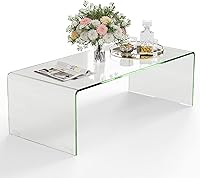
Glass can make a room feel lighter, but it does not solve power or ventilation problems. It can still be a good choice when you want a less visually heavy table beside the fridge.
Our guide to best glass coffee tables can help if visual weight matters more than enclosed storage. Use it to compare the look and footprint, then check the fridge placement separately.
Which products can support this setup?
These products solve related parts of a coffee table fridge arrangement, but none of the three is a refrigerator. Use them as storage or support furniture only after measuring the appliance and checking safe placement.
The Yaheetech table suits a smaller room where a lift surface and hidden storage matter. Its 38.6 in collapsed length, 16.5 in depth and engineered wood frame with a water-resistant veneer give you a compact starting point for nearby storage.
The lift top raises to a working surface, and the hidden compartment measures 34.3 in x 16 in x 4.2 in. It also has a black metal base, black finish and assembly hardware with instructions.
That shallow compartment is best suited to flat daily items rather than bulky storage. A slim laptop, remotes and game controllers can sit there without turning the table into a general cupboard.
The lower shelf adds a different kind of storage because it stays open and visible. Books, baskets and items used every day are easier to reach there, provided they do not crowd the fridge or its cable.
The raised top is useful when the table needs to do more than hold drinks. It can serve as a temporary work surface for a laptop or as a reading surface while the fridge remains beside the seating area.
A narrower footprint is a real advantage in a small apartment, den or dorm. It leaves more room for the fridge door to open and for people to move between the sofa and the appliance.
Choose the Ashley table if you want a larger square surface and farmhouse styling. Its 36 in W x 36 in D footprint gives the room a stronger centre point, but it needs more clear floor around it.
Choose the Yaheetech table if a narrower footprint, hidden storage and a lower shelf better match the room. The trade-off is a smaller surface, so measure the sofa gap before deciding.
For a larger seating area, our best large coffee tables with storage guide can help you compare tables that occupy more floor space. Use that guide for scale, then keep the fridge access and cable route as separate checks.
How do you place the fridge and table safely?
Place the refrigerator where you can reach the door, inspect the cable and clean around the unit. Keep the table from pressing against the appliance or trapping its power cord.
Use these placement steps:
- Measure the refrigerator and table separately.
- Mark the refrigerator's door or drawer opening.
- Confirm the outlet remains reachable.
- Leave the required ventilation space.
- Test the walking route from the sofa before loading the table.
- Check that a lift top, hinged lid or lower shelf cannot strike the fridge.
- Keep drinks and spills away from electrical connections.
Do not use the table as a reason to hide the refrigerator's controls. You should be able to see and reach them when adjusting the unit or disconnecting power.
If the fridge sits beside upholstery, leave enough space to clean crumbs and moisture. For fabric care around food and drink areas, see [What Is the Most Durable Sofa Fabric?
A Clear Look](/what-is-the-most-durable-sofa-fabric/). If trim affects your furniture choice, read [What Is a Nailhead Trim Sofa?
A Look at the Trim](/what-is-a-nailhead-trim-sofa/).
What is the best way to choose?
Choose the refrigerator first, then the furniture around its measurements and power needs. A table that looks right can still fail if the fridge cannot vent, open or connect safely.
Work through the order in that sequence. Measure the fridge, mark its door swing and confirm the outlet position before moving any furniture into place.
That order saves time because it prevents a common mistake. You may fall for a table that fits the sofa perfectly while leaving the fridge with no useful access.
Pick the SUPERJARE rack if you need a tall open station with power outlets. Its open layout can suit a drink station, but it should be treated as support furniture rather than as a cabinet for the appliance.
Pick the Ashley table for a large square lift-top surface and farmhouse storage. It suits a room where a broad centre piece matters and where there is enough floor space around the fridge.
Pick the Yaheetech table for a narrower lift-top option with hidden storage and a lower shelf. It suits a tighter room where the table has to share space with the fridge without taking over the walkway.
Match the choice to how the room is actually used. An entertaining area may need a wider surface, while a small den may need the table to stay out of the fridge door path.
Check the cable route one final time after the furniture is in place. Confirm that it is not pinched, hidden under a rug or stretched across a route where people walk.
A coffee table fridge setup should leave clear access to the cooling unit and a safe cable route. Measure twice, keep airflow open and treat storage furniture as support rather than as an unapproved refrigerator cabinet.
Frequently asked questions
What should I look for in a coffee table fridge?
Look for enough cooling space, a safe power route, suitable ventilation and a location that leaves doors or lids easy to open. Measure the furniture and the refrigerator together, then check the electrical instructions for the cooling unit before placing it in a living room.
Can a mini fridge go inside a coffee table?
A mini fridge should only go inside furniture if the refrigerator instructions allow that setup and the cabinet leaves the required airflow space. Closed storage can trap heat, block the door or strain the appliance, so do not place a refrigerator in a tight compartment without checking its requirements.
Do coffee tables with fridges need an outlet?
Yes, a refrigerated coffee table needs a suitable electrical outlet, and the cable must reach it without crossing a walkway or sitting where it can be pinched. Avoid overloaded extension arrangements and follow the refrigerator's electrical instructions for safe placement.
Are lift-top coffee tables useful beside a fridge?
Lift-top coffee tables can add a work surface and hidden storage beside a compact refrigerator, but they do not provide cooling by themselves. Check the lifted height, opening path and distance from the fridge door so the two pieces do not interfere with each other.