Console Table vs TV Stand: Which Should You Choose? (November 2026)
Choose a TV stand for direct television support and a console table for flexible display or storage. A console can work as a TV surface only when its size, stability and load capacity suit your television and equipment.
On this page (6 sections)
Choose a TV stand for direct television support and a console table for flexible display or storage. A console table can serve as a TV surface when its top fits the television base and the furniture can safely support the full load.
The difference matters most when you add a soundbar, media player or game console. Measure the TV base and equipment, then compare the total with the available surface and the table's stated capacity.
A dedicated tabletop TV stand can make a console more suitable by securing a compatible television. It doesn't increase the console's load limit, so check both pieces before setting up.

 Best for mounting a compatible TV
PERLESMITH Universal TV Stand Legs for 32-70
Console table vs TV stand: which should you choose?
Choose a TV stand when television support is the main job; choose a console table when you also want a narrow, general-purpose surface. For a console surface with a changeable height, see adjustable-height console tables.
The right option depends on how the TV will sit and what else the furniture must hold.
A TV stand or tabletop mount is designed around television support. A console table is a table first, so features such as cable routing, media storage and weight limits vary by model.
If you're comparing furniture options, our guide to best console tables for a living room covers common uses and sizes. For a dedicated television setup, see best console tables for TVs.
When does a console table work as a TV stand?
A console table can work when the television base sits fully on the top, the surface is stable and the total weight stays within the table's stated limit. Confirm these points before assembly or placement.
The Plank+Beam Classic Console Table measures 36 x 12 x 32 inches. Its maker describes solid pine wood construction, but the provided product details don't give a weight capacity, so verify that limit before placing a TV on it.
The Tajsoon Console Table measures 41.8 x 11.5 x 30.2 inches and states a support capacity of 45 lb. Include the TV and any equipment placed on the table when checking that limit.
When is a dedicated TV stand the better fit?
A dedicated TV stand is the clearer choice when you want a compatible mounting point, adjustable height or a swivel screen. It can also help when the TV's own feet don't suit the furniture surface.
The PERLESMITH Universal TV Stand Legs mount a compatible TV on a table or entertainment center. Check the screen size, weight and VESA pattern against the stand's compatibility details, and ensure the furniture surface supports the combined load.
The PERLESMITH swivel TV stand base adds a swivel range and cable clips along its pillar. A tabletop base still occupies surface area, so measure the console with the stand and television in place.
How much surface and storage do you need?
Choose dimensions from the TV base and your equipment, then decide whether shelves matter. Screen size alone doesn't tell you how much tabletop space the setup needs.
Measure the distance between the TV's feet and the footprint of its stand. Add room for any soundbar or device that must share the top, while leaving enough space for cords to run safely.
Is a narrow console deep enough for a TV?
A narrow console may fit a television if its base fits fully on the top and the table remains stable. Compare the TV's footprint with the actual usable surface, not the screen's diagonal measurement.
The Plank+Beam table is 12 inches deep, while the Tajsoon is 11.5 inches deep. Those dimensions are useful starting points, but the TV's feet, cable plugs and other equipment may need more room.
Don't balance a TV base at the edge to make it fit. If you need a broader surface, compare console tables with glass tops and confirm the top's dimensions and capacity.
Do you want open shelves or a clear top?
Choose a table with shelves if you need places for small items or equipment. The Tajsoon has two tiers and describes open mesh shelves; its open design leaves stored items visible.
A single top keeps the silhouette simple but gives you fewer places to put devices. The Plank+Beam table has no stated lower shelf in its product details, so plan separate storage if you need it.
For more living room surface options, browse our guide to coffee tables for living room. If you want a table with another use, the guide to a lift top coffee table with bench covers that configuration.
How will you handle cables and viewing angles?
A tabletop TV stand with cable clips can route wires along its support, while a console table may need separate cable management. Consider outlet location, cord length and viewing direction before choosing.
The PERLESMITH swivel base includes two cable clips and can turn the screen up to 50° left or right. Its base takes up part of the tabletop, so leave enough clear space for the TV and any other equipment.
The fixed PERLESMITH legs offer height adjustment options, but the product details don't describe cable clips. Keep cords from crossing a walkway, and use cable organizers suited to your outlet and furniture arrangement.
A console table's cable setup depends on its shape and placement. Measure the route from TV to outlet, and avoid pinching cords against a wall or furniture edge.
What should you check before using a sofa table for a TV?
Check the top dimensions, weight capacity and stability before using a sofa table under a TV. The label “sofa table” doesn't mean a particular model is suitable for television support.
A behind-the-sofa table may have a narrow top or be designed for lighter decor. The sofa table guide explains its usual height, size and use, which can help you decide whether a particular shape fits your room.
Also consider the table's position. A sofa table behind a couch may place the television too far from the seating area or make cable routing awkward.
Does color or finish change the choice?
Choose color and finish after confirming that the table suits the TV and equipment. Appearance can't make an undersized or unstable surface a safe TV stand.
A black console table can blend with dark screens and other electronics. See best black console tables for options to compare by appearance, then check each one's dimensions and capacity.
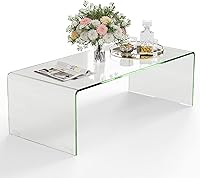
A glass top can look lighter in a small room, but verify its material, support and care instructions for the exact table. Don't assume every glass surface is suitable for a TV setup.
Which setup is the better match for your room?
Pick a console table for a measured, compatible setup with general-purpose storage; pick a TV stand when mounting, swivel or direct TV support matters most. Check the furniture's capacity and the full footprint before you decide.
Choose the Plank+Beam table for a simple 36-inch console surface when its dimensions suit your room and you can confirm a suitable weight limit. Choose the Tajsoon when open shelves help and your full setup stays within its stated 45 lb capacity.
Choose the PERLESMITH legs for a compatible TV on a table or entertainment center. Pick the swivel base when its screen compatibility and viewing angle fit your setup.
If you want the console's look but need a secure mounting point, pair a suitable table with a compatible tabletop TV stand. Measure first, follow the TV and stand instructions, and choose the arrangement that keeps the screen stable and cords out of walkways.
Frequently asked questions
Can a console table be used as a TV stand?
Yes, if the top is wide and deep enough for the TV base and the table can support the combined load. Check the table's capacity, stability and dimensions, then account for any soundbar or other equipment.
A narrow top or an unstated weight limit calls for extra care.
What is the difference between a console table and a TV stand?
A TV stand is meant to support a television and often includes space for media equipment or cable routing. A console table is general-purpose furniture, often used behind a sofa or along a wall.
Some console tables can hold a TV, but their dimensions and capacity need checking.
How deep should a table be for a TV?
The table needs enough depth for the TV's feet or base to sit fully on the surface, with stable support. Measure the television base rather than using screen size alone, and leave room for cables or other equipment.
Follow the TV maker's placement instructions.
How can I manage TV cables on a console table?
A console table may not include cable routing, so plan how cords will reach the outlet without hanging across walkways. Use clips or a cable sleeve suited to the setup, and keep connections accessible.
A tabletop TV stand with cable clips can help route wires along its support.
Can a sofa table hold a TV?
A sofa table can hold a TV when its dimensions, stability and weight capacity suit the television and its base. Measure the top and check the capacity before setting anything on it.
The guide to what a sofa table is explains its common size and uses.