Is Linen a Good Fabric for a Sofa? What to Know
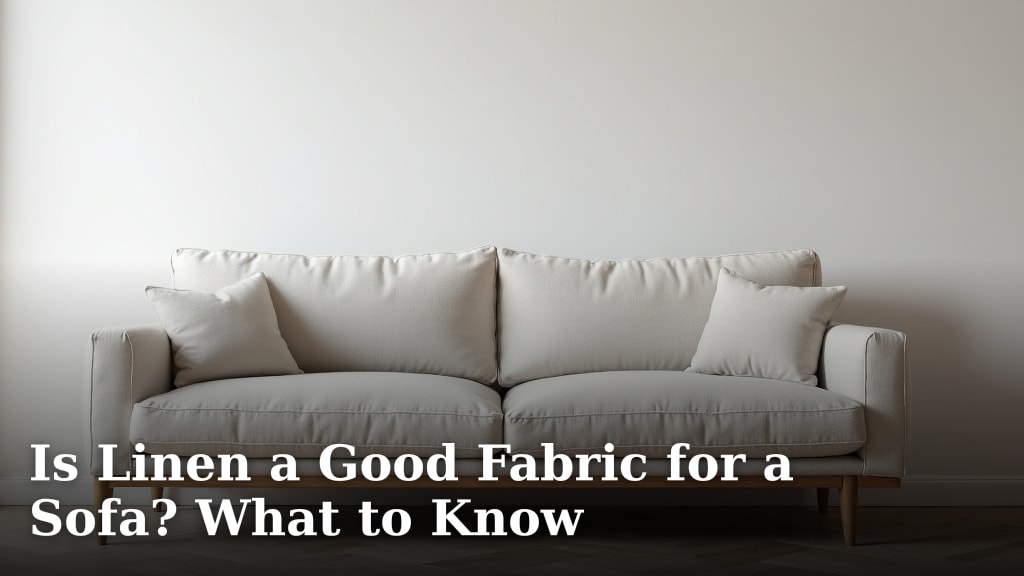
Yes, linen can be a great fabric for a sofa, especially if you’re looking for a natural, breathable, and stylish option. We found that while it offers a relaxed elegance, it’s important to understand its unique properties and potential drawbacks before you buy. Linen sofas often have a lovely, casual look that ages well.
When considering a linen sofa, think about your lifestyle. Are you a family with young kids or pets? Linen is known for its durability and can withstand daily use. Many people love its texture and how it softens over time. It’s a fabric that feels good and looks good in many homes.
- Linen is a strong, natural fiber.
- It’s breathable and comfortable in any season.
- Linen sofas tend to have a relaxed, casual look.
- Be aware of its tendency to wrinkle and stain.
- Linen upholstery can be a good choice for many homes.
Ready to see if a linen sofa is the right fit for your space? Below, we break down what you need to know about linen sofa fabric, from its pros and cons to care tips.
Thinking about a linen sofa for your living room? You’re in good company. Linen is a popular choice for furniture upholstery, and for good reason. We’ve looked into what makes it stand out and what you should be aware of before you decide. It’s a fabric with a rich history and some unique characteristics that can make your sofa a real statement piece. If you’re considering a linen sofa, our guide to the english roll arm sofa can help you visualize its style.
Understanding Linen for Your Sofa Upholstery
So, is linen a good fabric for a sofa? Yes, it can be an excellent choice, offering a blend of natural beauty and surprising durability. Many people are drawn to its airy feel and relaxed elegance.
Linen comes from the flax plant, a natural fiber that’s been used for thousands of years. Its production is often considered more eco-friendly than some synthetic fabrics. This natural origin contributes to its unique texture and breathability.
The Natural Appeal of Linen
One of the biggest draws of linen is its natural aesthetic. It has a matte finish and a slightly textured look that many find very appealing. It doesn’t have that shiny, manufactured look that some other fabrics can have. This natural beauty ages gracefully, often developing a softer feel and a more relaxed drape over time, much like a well-loved pair of jeans.
We found that linen upholstery can bring a sense of calm and organic comfort to a room. It’s not fussy; it’s more about effortless style. This makes it a great option if you’re aiming for a relaxed, yet sophisticated, living space.
Breathability and Comfort
Linen is known for being a very breathable fabric. This means it allows air to circulate freely, which can be a big plus for comfort. In warmer months, it feels cool to the touch. In cooler weather, it still offers a cozy feel without making you overheat. This makes it a comfortable choice year-round.
Think of it like sleeping on linen sheets in the summer – they feel so much cooler. The same principle applies to your sofa. This breathability also helps to prevent moisture buildup, which can contribute to a fresher sofa over time.
Pros of Choosing a Linen Sofa
When you’re weighing your options, understanding the advantages of linen can help you make the best decision for your home. We’ve identified several key benefits.
Durability and Strength
Despite its sometimes delicate appearance, linen is a remarkably strong fabric. In fact, it’s one of the strongest natural fibers available. This strength comes from the long fibers of the flax plant, which are very resistant to breaking. We found research indicating that linen fibers are several times stronger than cotton fibers.
This durability means a linen sofa can hold up well to daily use. It’s a fabric that’s built to last. While it might not be as resistant to tearing as some tightly woven synthetics, its inherent strength is a significant advantage for upholstery.
Hypoallergenic Properties
For those with sensitivities or allergies, linen can be a wonderful choice. It’s a natural fiber and doesn’t typically contain the chemicals or synthetic materials that can trigger reactions in some individuals. It’s also resistant to moths and doesn’t build up static electricity.
Many health and wellness resources highlight natural fibers as being better for indoor air quality. Choosing linen can contribute to a healthier home environment. If you or someone in your household has allergies, this could be a deciding factor.
Eco-Friendly Aspect
The flax plant, from which linen is made, requires minimal water and pesticides to grow. This makes linen a more sustainable option compared to many other fabrics. The entire flax plant can be used, meaning very little waste. This is appealing for consumers looking to make environmentally conscious choices.
We’ve seen a growing interest in sustainable home furnishings, and linen fits that bill nicely. It’s a material that treads a little lighter on the planet.
Aesthetic Versatility
While often associated with a casual look, linen can actually be quite versatile. Its natural texture adds depth and interest to a room. It pairs well with various decor styles, from coastal and farmhouse to modern and bohemian.
Depending on the weave and finish, linen can look more refined or more rustic. This adaptability means you can likely find a linen sofa that fits your specific design vision. Its neutral tones are also easy to accessorize with.
Potential Downsides of Linen Sofas
Now, let’s talk about the other side of the coin. While linen has many benefits, it also has characteristics that might make you pause. Being informed about these will help you avoid surprises.
Tendency to Wrinkle
This is perhaps the most well-known characteristic of linen. It wrinkles. A lot. This is due to the nature of the flax fibers. While some people love the lived-in, relaxed look that wrinkles give, others might find it messy or unkempt. You’ll need to accept that your linen sofa will develop creases over time.
Many manufacturers pre-wash or finish linen upholstery to reduce wrinkling and improve its feel. However, some creasing is inevitable. If you prefer a perfectly smooth, crisp sofa look, linen might not be your best bet. Think of it like a linen shirt; it often looks best when it’s a bit rumpled.
Susceptibility to Stains and Fading
Linen’s absorbent nature, while good for breathability, also makes it prone to staining. Spills can soak in quickly, and depending on the spill, can be difficult to remove completely. Light-colored linen sofas, in particular, can show every drop.
Furthermore, linen can fade if exposed to direct sunlight for extended periods. UV rays can degrade the fibers and cause the color to lighten. If your sofa will be placed near a sunny window, you may need to consider UV-blocking curtains or repositioning the furniture. Many sofa manufacturers offer treatments to improve stain resistance, which can be a worthwhile addition.
Cost Consideration
High-quality linen upholstery can be more expensive than other common fabric options like polyester or cotton blends. The process of turning flax into yarn and then weaving it into fabric is labor-intensive, which contributes to the higher price point. You’re paying for a natural, durable, and often premium material.
When comparing prices, remember to factor in the longevity and aesthetic benefits that linen can offer. A linen sofa might be a larger initial investment, but its durability could make it a cost-effective choice in the long run.
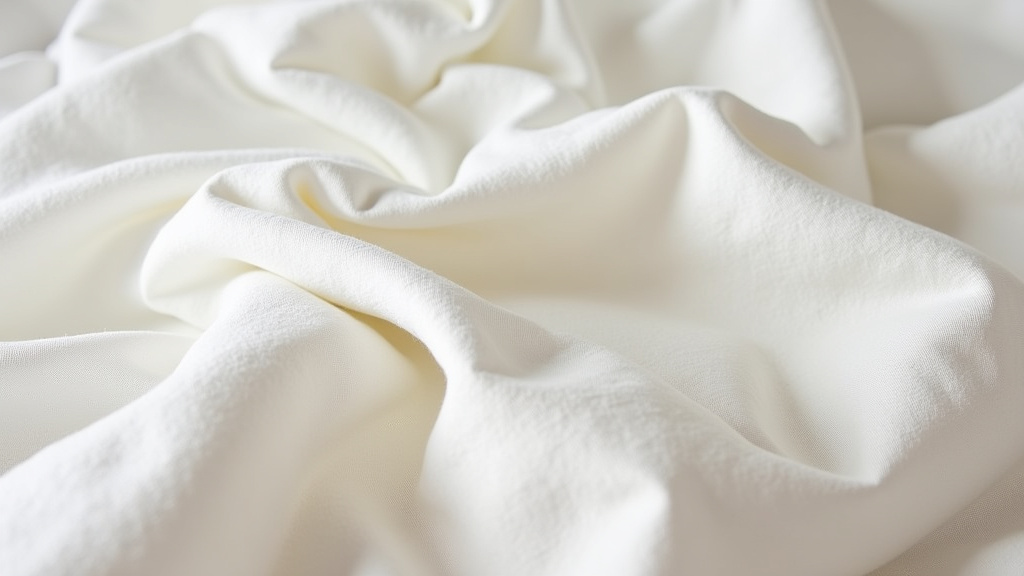
Linen Blends: A Hybrid Solution
Are you attracted to linen but worried about wrinkles or cost? Many manufacturers offer linen blends. These fabrics mix linen with other fibers, like cotton, polyester, or rayon. The goal is to combine the best qualities of each fiber.
A linen-cotton blend, for instance, might offer the breathability and texture of linen with the softness and wrinkle resistance of cotton. A blend with polyester can add durability and make cleaning easier. These blends can be a great way to get a similar look and feel to pure linen at a potentially lower price point and with improved practicality.
| Feature | Pure Linen | Linen Blends |
|---|---|---|
| Texture & Feel | Naturally textured, can soften over time, can feel cooler. | Varies depending on blend; often softer, may feel less “natural.” |
| Wrinkling | Prone to significant wrinkling. | Generally less prone to wrinkling than pure linen. |
| Durability | Very strong natural fiber. | Durability depends on the blend; often very durable. |
| Cost | Typically more expensive. | Often more affordable than pure linen. |
| Care | Requires careful cleaning, can be sensitive to stains. | Care varies, but often easier to manage than pure linen. |
Understanding the Weave Matters
Not all linen upholstery is created equal. The way the fabric is woven significantly impacts its performance and appearance. A tighter weave will generally be more durable and less prone to snagging than a looser weave.
When looking at linen sofas, pay attention to the description of the weave. Some terms you might encounter include slub (uneven texture from variations in yarn thickness), herringbone (a V-shaped pattern), or damask (a woven pattern). A heavier weight linen will also typically be more durable for upholstery.
Caring for Your Linen Sofa
To keep your linen sofa looking its best for years to come, proper care is essential. Think of it as maintaining a good relationship – a little attention goes a long way.
Regular Maintenance
Vacuum your sofa regularly using an upholstery attachment. This will remove dust, crumbs, and pet hair that can wear down the fibers over time. Rotate cushions frequently to ensure even wear and exposure to light.
For minor dry spills, gently brush them away with a soft brush. For general cleaning, a gentle vacuuming is usually sufficient. We found that consistent, light cleaning prevents larger issues down the line.
Dealing with Spills and Stains
Address spills immediately. Blot, don’t rub, any liquid spills with a clean, dry white cloth. Work from the outside of the stain inward. For tougher stains, you might need a specialized upholstery cleaner. Always test any cleaner on an inconspicuous area first.
Many experts recommend using a mild soap solution (like a few drops of dish soap in water) for stubborn spots. Always blot gently and avoid overwetting the fabric. Allow the area to air dry completely.
Professional Cleaning Recommendations
Periodically, consider professional cleaning for a deeper clean. Professional cleaners have specialized equipment and knowledge to handle different fabric types effectively. This can help refresh your sofa and tackle any ingrained dirt or odors.
When booking professional cleaning, be sure to inform them that your sofa is upholstered in linen. They can then use appropriate methods. The Textile Institute, for example, often advises consulting professionals for deep cleaning advice.
Here’s a quick checklist to help you decide if a linen sofa is right for you:
- Do you prefer a relaxed, natural look?
- Are you okay with your sofa developing wrinkles over time?
- Do you have a plan for managing potential spills or stains?
- Is a natural, breathable fabric a priority for you?
- Does your budget allow for the investment in quality linen or a blend?
- Will the sofa be placed in direct sunlight?
Conclusion
So, is linen the right choice for your sofa? We found that linen offers a beautiful, natural elegance and surprising strength. Its breathability makes it comfortable year-round, and its eco-friendly nature appeals to conscious shoppers. However, you’ll need to embrace its tendency to wrinkle and be mindful of potential stains and fading. If you love a relaxed look and are prepared for a little extra care, a linen sofa can be a stylish and lasting addition to your home. Consider linen blends for a more practical alternative. Your next step is to assess your lifestyle and style preferences to see if linen’s unique charm fits your needs.
Frequently Asked Questions
Will a linen sofa wrinkle easily?
Yes, pure linen is known for wrinkling. This is a natural characteristic of the flax fiber. While some people love the relaxed, lived-in look this creates, it’s something to be prepared for. Linen blends often offer a solution to reduce excessive wrinkling.
Is linen upholstery durable enough for families with kids or pets?
Linen is a very strong natural fiber, making it quite durable for everyday use. However, its natural absorbency means spills can stain easily, and it can be prone to fading in direct sunlight. If you have very active kids or pets, a linen blend or a darker, treated linen might be a better option.
How do I clean a linen sofa?
For general cleaning, regular vacuuming is recommended. Address spills immediately by blotting gently with a clean cloth. For tougher stains, test an upholstery cleaner on an inconspicuous spot first, or consider professional cleaning. Avoid overwetting the fabric.
Can I put a linen sofa in a sunny room?
We advise caution with placing a linen sofa in direct, prolonged sunlight. Linen fibers can fade and degrade over time when exposed to UV rays. If your desired spot is sunny, consider using UV-blocking curtains or choosing a lighter-colored linen that shows fading less prominently.
Are linen sofas more expensive than other sofa fabrics?
Generally, high-quality pure linen upholstery can be more expensive than common synthetic fabrics or cotton blends. This is due to the labor-intensive process of producing linen. However, linen blends can offer a more budget-friendly way to achieve a similar look and feel.