Polyester Upholstery Fabric: Pros and Cons
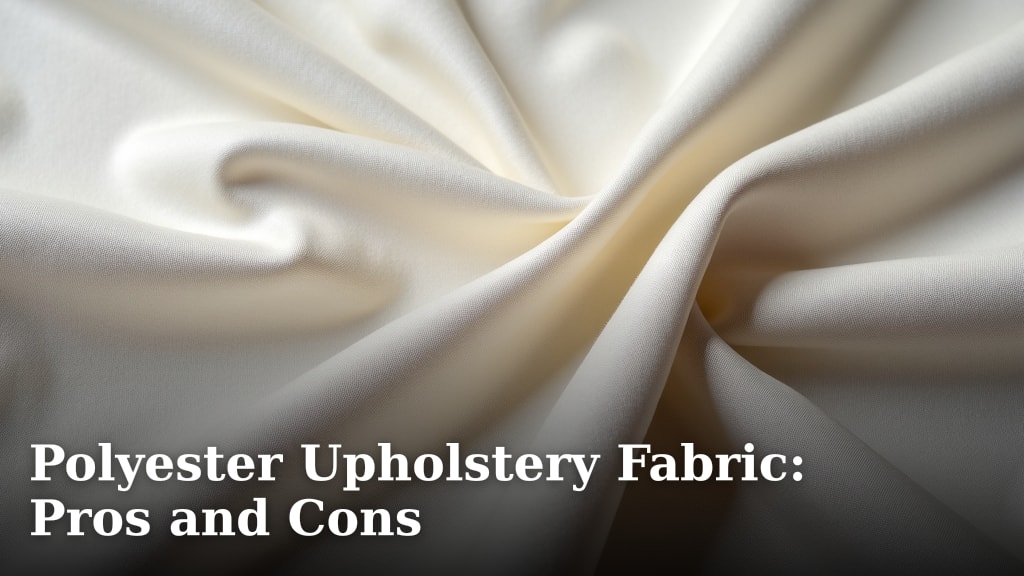
Polyester upholstery fabric is a popular choice for furniture because it’s durable and easy to clean. It holds up well to everyday use, making it a practical option for busy homes. You’ll find it on sofas, chairs, and other upholstered items.
When choosing upholstery, understanding fabric properties is key. Polyester is known for its resistance to stains and fading. This makes it a smart investment for furniture that sees a lot of action. We’ve found it to be a workhorse fabric that balances cost and performance.
- Polyester is known for its durability.
- It’s generally easy to clean and maintain.
- Expect good resistance to stains and fading.
- It offers a cost-effective option for furniture.
Let’s take a closer look at the good and the not-so-good when it comes to polyester upholstery fabric.
Polyester is a synthetic fabric, meaning it’s made in a laboratory rather than grown or raised. This careful creation process gives it some really useful qualities for your furniture. We’ve looked into what makes polyester upholstery tick, and it boils down to a few key advantages and a couple of drawbacks you should know about before you buy.
Understanding the Upsides of Polyester Furniture Fabric
Polyester shines when it comes to everyday performance. You’re getting a fabric that’s built to last and handle the demands of a busy household. Let’s break down why it’s such a popular pick.
Durability You Can Count On
One of the biggest reasons people choose polyester is its toughness. It’s a strong fiber that can withstand a lot of wear and tear. This means it’s less likely to rip, snag, or develop those annoying little pills that can make furniture look old.
Research shows that polyester fibers are resistant to stretching and shrinking. This stability is key for upholstery that needs to keep its shape over time. You can expect your polyester-covered sofa to look good for years, even with daily use. It’s a practical choice for families with kids or pets.
Resistance to the Elements
Polyester is pretty good at fighting off common household issues. For starters, it’s quite resistant to stains. While no fabric is completely stain-proof, polyester repels many liquids, giving you a better chance to blot up spills before they set in.
Sunlight is another common enemy of furniture. Polyester upholstery tends to be very fade-resistant. If your sofa sits near a sunny window, you won’t have to worry as much about its color dulling over time. This means your furniture will maintain its vibrant look longer.
We also found that polyester doesn’t absorb moisture easily. This can be a double win. It helps with stain resistance and also makes it less prone to developing mold or mildew. This is a nice benefit for homes in humid climates or for furniture placed in less-than-ideal spots.
Ease of Care and Cleaning
Let’s be honest, who wants high-maintenance furniture? Polyester is a dream for those who prefer a more hands-off approach to cleaning. Spills are generally easy to wipe away. For routine cleaning, a quick vacuum is often all that’s needed.
Most polyester fabrics can be cleaned with mild soap and water. Always check the manufacturer’s care tag, of course. But generally, you won’t need special cleaners or complicated methods. This makes it a low-stress option for your living space.
Many polyester blends can even be machine washed on a delicate cycle or spot-cleaned easily. This is a huge advantage compared to delicate fabrics that require professional cleaning. It saves you time, money, and hassle.
Versatility in Style and Texture
Polyester isn’t just practical; it’s also incredibly versatile. It can be made to mimic the look and feel of many other fabrics. You can find polyester upholstery that looks like linen, silk, cotton, or even wool.
This means you can achieve a wide range of aesthetics, from casual to formal, without the high cost or delicate nature of some natural fibers. Whether you want a cozy chenille look or a sleek velvet finish, polyester can likely deliver.
The manufacturing process allows for dyeing in almost any color imaginable. This gives you a vast palette to choose from. You’re not limited to a few basic shades. You can find the perfect hue to match your decor. This makes it easier to find furniture that truly fits your style.
Cost-Effectiveness
When you compare polyester to many natural upholstery fabrics like silk, wool, or high-quality cotton, it’s often a much more budget-friendly option. You get a lot of durability and good performance for your money.
This makes it a great choice if you’re furnishing a room on a budget or if you know you’ll want to update your furniture style in a few years. You can get a stylish and functional piece without breaking the bank. It offers excellent value.
Considering the Downsides of Polyester Upholstery
While polyester has a lot going for it, it’s not perfect for every situation. Understanding its limitations will help you make the best choice for your needs.
Breathability and Comfort Concerns
One area where polyester can sometimes fall short is breathability. Because it’s a synthetic fiber, it doesn’t allow air to pass through as easily as natural fibers like cotton or linen.
What does this mean for you? On a hot day, a polyester sofa might feel a bit warmer or stickier compared to a more breathable fabric. If you live in a very warm climate or tend to get warm easily, this is something to consider. It might not be the top choice for a cozy reading chair you plan to sink into for hours in the summer.
Potential for Static Electricity
Another characteristic of synthetic fabrics like polyester is their tendency to build up static electricity. You might have experienced this with synthetic clothing.
On your furniture, this can mean a slight shock when you get up or a clingy feeling with certain clothes. While not a deal-breaker for most, it can be an annoyance. Using a fabric softener spray occasionally can help manage static.
Environmental Considerations
As a synthetic material, polyester is derived from petroleum. Its production requires energy and can have an environmental impact. While many manufacturers are working on more sustainable practices, it’s a factor to keep in mind if eco-friendliness is a top priority for you.
Recycled polyester is becoming more common, which is a positive step. However, traditional polyester is not biodegradable. When it eventually wears out, it contributes to landfill waste. Many experts suggest looking for certifications or brands that highlight their environmental efforts.
Feel and Texture Limitations
While polyester can mimic other fabrics well, it doesn’t always perfectly replicate the luxurious feel of natural fibers. Some people find that high-quality polyester can still feel a bit “plastic-y” or less soft than premium natural materials.
This is often subjective, and advancements in textile technology are constantly improving the feel of polyester. However, if you’re seeking that unparalleled softness or unique texture of, say, pure silk or fine wool, polyester might not fully satisfy that desire.
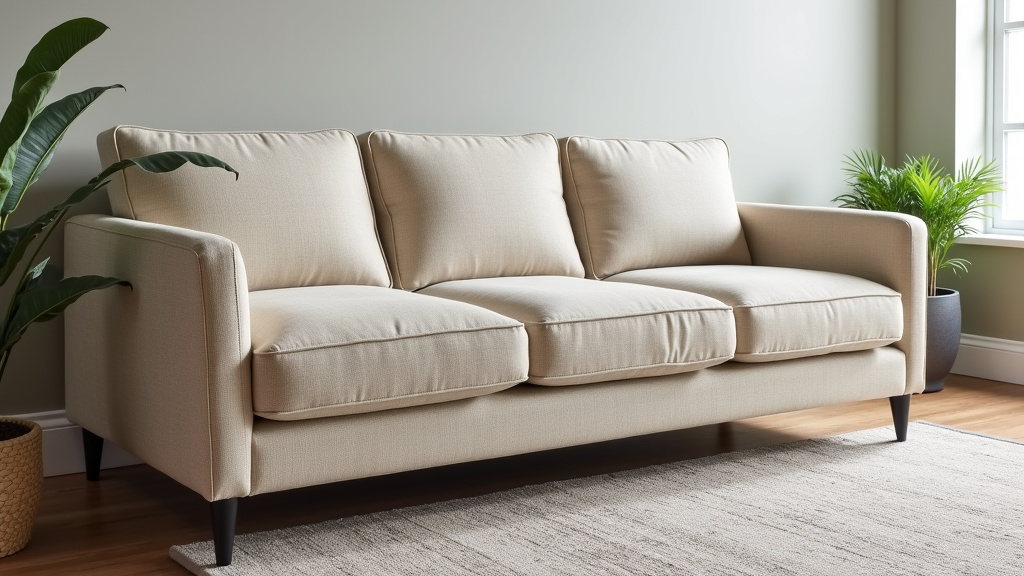
Making Your Polyester Fabric Choice: A Quick Checklist
Still weighing your options? Here’s a quick rundown to help you decide if polyester upholstery is right for your home:
- Does your home have high traffic? Polyester excels in busy living rooms.
- Are you concerned about spills and stains? Its resistance is a big plus.
- Do you want low-maintenance furniture? Polyester is easy to clean.
- Is your furniture placed near a sunny window? Its fade resistance is ideal.
- Are you on a budget? Polyester often offers great value.
- Is supreme breathability your top priority? Consider other options if so.
By understanding these pros and cons, you can make a confident decision about whether polyester upholstery fabric is the best fit for your furniture needs and lifestyle. It’s a reliable workhorse that brings a lot of practical benefits to your home.
Conclusion
You’ve learned that polyester upholstery fabric is a dependable choice for many homes. It stands out for its durability and easy maintenance, making it a practical option for busy households. While it might not offer the same breathability or luxurious feel as some natural fibers, its resistance to stains and fading, coupled with its cost-effectiveness, makes it a smart investment. Consider your lifestyle and priorities to ensure polyester fits your needs. Your next step is to look at furniture with polyester upholstery, keeping these pros and cons in mind.
Frequently Asked Questions
Is polyester upholstery fabric good for pets?
Yes, polyester upholstery is often a good choice for pet owners. Its durability means it can withstand some scratching and wear. Plus, its resistance to stains makes it easier to clean up accidents. You’ll find it’s a practical fabric for homes with furry friends.
Can polyester upholstery feel soft?
While polyester is synthetic, modern manufacturing techniques can create fabrics that feel quite soft. You can find polyester weaves designed to mimic the feel of natural fibers. However, it may not always match the ultimate softness of high-end natural materials like silk or fine wool.
How often should I clean polyester upholstery?
For everyday care, vacuuming your polyester upholstery weekly is recommended. This removes dust and debris. For spills, blot them up immediately with a clean cloth. Always check the manufacturer’s care instructions for specific cleaning advice, but generally, it’s low-maintenance.
What’s the difference between polyester and polyester blends for upholstery?
Pure polyester is 100% polyester fiber. Polyester blends mix polyester with other fibers, like cotton or linen. Blending can enhance certain qualities, such as improving breathability or adding texture. The performance of a blend depends on the percentage of each fiber used.
Is polyester upholstery eco-friendly?
Traditional polyester is made from petroleum and is not biodegradable, so it’s not considered highly eco-friendly. However, there’s a growing trend of recycled polyester upholstery, often made from plastic bottles. Choosing recycled options can be a more sustainable choice if environmental impact is a concern for you.