Sofa vs Couch: Is There a Difference? (October 2026)
Sofa and couch usually mean the same kind of upholstered seat. The label rarely affects what you buy, so compare the size, shape and features that fit your room.
On this page (6 sections)
Sofa and couch usually mean the same kind of upholstered seat. For a sofa vs couch decision, compare the furniture's dimensions, shape and features rather than relying on the label.
In everyday conversation, either word can describe a long seat for multiple people. Stores and brands also use the terms in overlapping ways, so “couch” in a name doesn't guarantee a different style from “sofa.”
Is there a difference between a sofa and a couch?
Usually, no: sofa and couch are interchangeable in modern furniture shopping. There isn't a dependable design rule that separates every sofa from every couch.
Some people use “sofa” for a more formal, upright seat and “couch” for a relaxed one. That's a personal distinction, not a reliable way to compare furniture across brands.
The name can still help you search. Use both “sofa” and “couch” when browsing, then check the details that affect fit and use.
Sofa or couch: which word should you search?
Search both words to see more options. A retailer may place similar furniture under either label, and product names often combine the terms.
Try searches such as “couch vs sofa,” “sofa bed” and “couch bed” when you have a specific need. Then compare measurements and construction rather than assuming one search phrase signals a certain quality.
A retailer's category labels can help you browse, but the product's shape and dimensions tell you what will arrive. For a broad shopping checklist, see how to buy a sofa.
What should you compare instead of the name?
Compare size, configuration and intended use first. Those details determine whether a seat fits your room and your daily routine.
Measure the available floor area, including space for walking and opening nearby doors. Check the furniture's overall width and depth, then compare seat depth if you like to sit upright or stretch out.
Shape matters too. A standard sofa, a sectional and a convertible sleeper use space differently, even when a store calls each one a couch.
Does a sectional count as a sofa or a couch?
A sectional can be called either a sectional sofa or a sectional couch. The word “sectional” tells you more about its connected or modular shape than the sofa-versus-couch label does.
Some sectionals have fixed pieces, while modular designs use separate sections you can rearrange. Compare the assembled footprint and each piece's layout before choosing.
This guide to the difference between a sectional and a sofa explains how those forms compare.
If you want to stretch out, check seat depth as well as overall size. Our guide to best deep seat sofas can help you focus on that dimension.
Is a loveseat a sofa or a couch?
A loveseat can be described as a small sofa or a small couch. The term usually points to a shorter seat designed for two, but its exact width depends on the model.
Don't use the label alone to decide whether it will fit. Measure the space and compare the stated width with the room you have.
See the difference between a loveseat and a sofa for a closer look at sizing.
A matching loveseat can also help create a coordinated seating group. Compare dimensions and upholstery if you're considering sofa and loveseat sets.
Do sofa and couch labels change how you buy?
No, the label alone shouldn't change your buying decision. Your room, preferred seating position and need for extra functions matter more.
For a guest room or studio, a convertible sofa bed can provide seating and a place to sleep. Check its folded and open dimensions, because the sleeper may need much more floor space than the seat.
A larger pullout also needs room to open fully. Measure that clear floor area before choosing a sofa bed, and keep the walking route usable when it's extended.
If a low, relaxed style catches your eye, “boneless couch” is another label you may see. The best boneless couch guide can help you explore that category.
What do names like “fainting couch” mean?
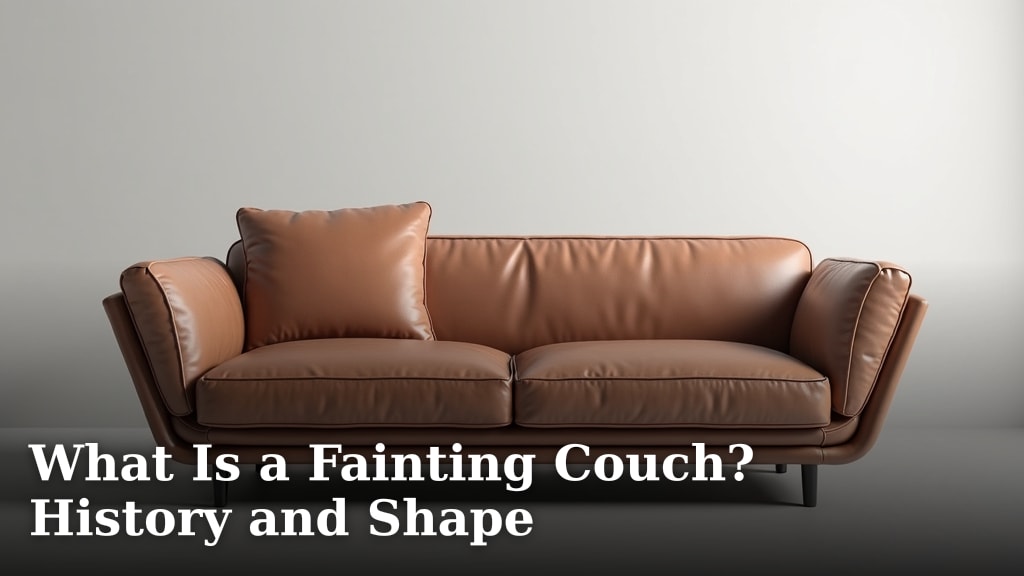
Some couch names refer to a specific historical form, but “sofa” and “couch” by themselves don't define one. A fainting couch, for example, is a distinct piece with a long seat and a raised end or back.
The name describes a recognizable shape, unlike the everyday overlap between sofa and couch. Read about the history and shape of a fainting couch if you want to learn how that term differs from ordinary seating names.
For most current shopping, look at the actual design. A name can suggest a category, but photos and measurements confirm whether the piece has the shape you want.
How do upholstery and comfort affect the choice?
Choose upholstery and seat feel by how you'll use the furniture. These details are more useful than whether a brand calls it a sofa or couch.
Fabric choices include textures such as chenille and corduroy, while leather has a different look and care routine. Consider pets, children, sunlight and how often you expect to clean the seat.
Seat depth changes how you sit. A deeper seat may suit lounging, while a shallower one may feel more upright; try to compare measurements to a seat you already find comfortable.
You can make either a sofa or couch feel more comfortable with soft layers. A throw blanket for a couch adds warmth and can protect the seat from everyday use.
Which should you choose, a sofa or a couch?
Choose by the piece's measurements and features, not by whether its name says sofa or couch. Use both words when searching, then make your decision from the dimensions, configuration and how you plan to sit or sleep.
Pick a loveseat for a smaller seating area, a sectional when its layout fits your room, or a sleeper if you need a second sleeping surface. The word choice is mostly a matter of naming; the furniture details make the practical difference.
Frequently asked questions
Is a sofa a couch?
Yes, in everyday use a sofa is usually a couch, and couch is usually a sofa. Both refer to an upholstered seat for more than one person, though a retailer may use one word more often in a category or product name.
Is there a difference between a sofa and a couch?
There is no fixed difference in most modern furniture shopping. Some people use sofa for a more formal or upright seat and couch for a casual one, but those meanings aren't consistent enough to guide a purchase.
Should I search for sofa or couch when shopping?
Try both terms because retailers and brands use sofa and couch in overlapping ways. Then narrow results by dimensions, seat depth, upholstery, configuration and whether you need a sleeper or sectional.
Does couch mean a different style of furniture?
Not reliably. A couch may be casual in some people's usage, but the word alone doesn't identify a specific shape, size or feature.
Check the actual dimensions and photos, and compare the furniture with your room plan.
What is the difference between a sofa and a loveseat?
A loveseat is generally a smaller seat intended for two, while sofa often describes a longer seat with room for more people. Exact dimensions vary, so compare the width and seat layout before deciding.