What Is Chenille Fabric? Its Texture and Wear
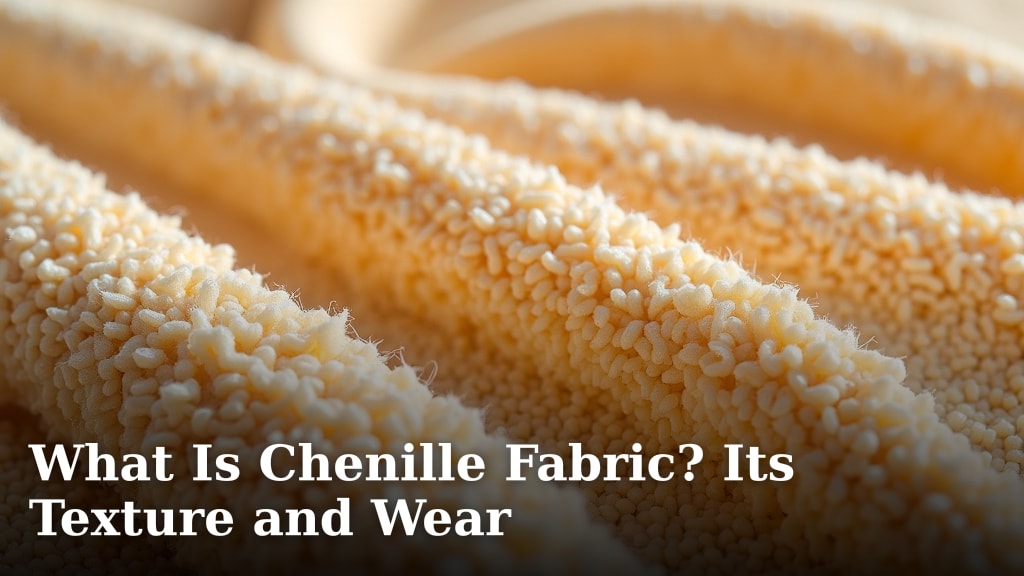
Chenille fabric is a soft, fuzzy textile known for its plush, velvety look and feel. It’s made by weaving short, tufted piles of yarn between two stable warp threads, creating a raised surface that feels wonderfully cozy. You’ll often find it used in upholstery and blankets because it’s so inviting.
The unique texture of chenille comes from this pile construction, giving it a distinctive look that can vary from smooth and lustrous to more matte and deeply textured depending on the yarn used. It’s a material that really adds a sense of warmth and luxury to your home decor, making it a popular choice for comfort-focused items.
- Chenille fabric is soft and fuzzy with a plush, velvety feel.
- It’s made using a special weaving technique with tufted piles of yarn.
- This creates a raised, textured surface that is very cozy.
- Common uses include upholstery, blankets, and decorative pillows.
- Its appearance can range from smooth to deeply textured.
We found that understanding chenille’s texture and wear is key to choosing the right pieces for your home. Let’s walk through exactly what makes this fabric special and how it holds up over time.
Understanding Chenille: Its Unique Texture and How It Wears
Chenille fabric feels incredibly soft and inviting. Its name comes from the French word for caterpillar. This might sound a little strange, but it makes sense when you see the fabric. Chenille yarn has a fuzzy, soft pile that resembles a caterpillar’s body. This raised texture gives chenille its distinctive plush appearance and cozy feel.
The way chenille is made creates this special texture. Short pieces of yarn, called piles, are woven tightly between two stable threads. These piles stick out, creating a velvety surface. It’s this construction that gives chenille its luxurious look and incredibly soft touch. Many people love it for its comfort.
How Chenille Fabric Is Made: The Weaving Process
The creation of chenille fabric is a bit of an art. It involves a special weaving technique. First, chenille yarn is produced. This yarn is made by twisting two “core” yarns together. Then, the fuzzy “pile” yarns are laid between them. Finally, these are cut to create the fluffy texture.
These fuzzy chenille yarns are then woven into fabric. This is usually done on a special loom. The technique creates a raised surface where the fuzzy piles stand out. This gives the fabric its characteristic soft feel and plush appearance. It’s this unique manufacturing process that sets chenille apart.
The Role of Different Yarns
The type of yarn used greatly influences the final look and feel of chenille. You’ll find chenille made from various fibers. Cotton, wool, silk, and synthetic materials like polyester are common choices. Each fiber type brings its own qualities to the fabric.
For example, chenille made from silk or a silk blend often has a beautiful sheen. It feels very smooth and luxurious. Chenille made from cotton or wool might have a more matte finish. It can feel a bit more textured and less lustrous. The choice of yarn is key to achieving the desired aesthetic and tactile experience. We found that looking at the fiber content is a good first step.
Exploring the Distinctive Texture of Chenille
The texture of chenille is its most defining feature. It’s known for being wonderfully soft and fuzzy. Imagine running your hand over a well-loved teddy bear; that’s the kind of plushness chenille can offer. This softness makes it incredibly comfortable and inviting.
The raised piles are what create this tactile sensation. They give the fabric a rich, velvety appearance. Depending on how the yarn is spun and the weave is constructed, the texture can vary. Some chenille fabrics are very smooth and sleek. Others have a deeper, more sculpted texture. This variation means you can find chenille to match many different decor styles.
Visual Appeal: From Subtle to Statement
Visually, chenille can be quite captivating. The way light hits the fuzzy piles can create subtle highlights and shadows. This adds depth and dimension to the fabric. It can make a simple piece of furniture look much more elaborate and inviting.
The color saturation in chenille can also be quite rich. Because of its plush surface, colors often appear deep and vibrant. This makes chenille a great choice for adding a touch of color and luxury to a room. You might see it in deep jewel tones or soft, muted pastels. It truly adds a cozy warmth.
How Chenille Fabric Stands Up to Wear and Tear
When considering chenille for your home, how it wears is important. Because of its raised pile, chenille can be more prone to certain types of wear than smoother fabrics. It’s good to be aware of this before making a purchase.
One common concern is pilling. This happens when small balls of fiber form on the surface. It’s more common with fabrics that have a fuzzy texture. We found that certain types of chenille, especially those made with shorter fibers or synthetic blends, might be more susceptible to pilling over time. Regular care can help minimize this.
Durability and Everyday Use
Chenille is generally considered a durable fabric for upholstery and home decor. However, its plush surface can show signs of wear, especially in high-traffic areas. Think of it like a plush carpet; it can get flattened where people walk or sit most often.
The “nap” or direction of the pile can shift with use. This can sometimes make areas look slightly different. This is not necessarily a sign of damage, but rather a characteristic of the fabric. For items like decorative pillows or blankets, chenille typically holds up very well. For sofas or chairs, choosing a chenille made from sturdy fibers can improve its longevity.
Potential Issues to Consider
Chenille’s unique texture means it needs gentle care. Because the piles are raised, they can sometimes snag. This is especially true if your pets have sharp claws. Loose threads can pull out the pile, creating a noticeable flaw. This is something to keep in mind if you have pets or young children.
Another consideration is its susceptibility to crushing. Sitting on the same spot repeatedly can cause the pile to flatten. This can change the appearance of the fabric over time. While it doesn’t affect the structural integrity, it can alter the visual appeal. Many experts suggest rotating cushions regularly (Cleveland Clinic).
Caring for Your Chenille Items
Proper care is key to keeping your chenille looking its best. For many chenille items, like blankets or throw pillows, gentle machine washing on a delicate cycle can work. Always check the care label first. It’s often recommended to wash in cold water and use a mild detergent.
When drying, air drying is usually the safest option. Tumble drying on low heat might be possible for some types, but high heat can damage the fibers and cause shrinkage. For upholstery, professional cleaning is often recommended. Spot cleaning small spills promptly is also a good idea. Blot, don’t rub, to avoid spreading the stain or damaging the pile. We found that prompt action makes a big difference.
Tips for Maintaining the Plushness
To help maintain that lovely plush feel, you can use a soft-bristled brush. Gently brush the fabric in the direction of the pile. This can help to lift flattened areas and restore some of its original softness. Doing this periodically can really help. Many homeowners find this simple step makes their chenille items last longer.
For upholstery, periodically fluffing cushions can help distribute wear. This prevents specific areas from becoming too flattened. If you notice any loose threads, resist the urge to pull them. Carefully snip them with scissors instead. This prevents further unraveling of the pile. Following these simple steps can help your chenille items stay beautiful.
Where You Typically Find Chenille Fabric
Chenille fabric is a popular choice for a variety of home furnishings. Its cozy texture makes it perfect for items designed for comfort and relaxation. You’ll often find it used in upholstery for sofas, armchairs, and ottomans.
It’s also a favorite for blankets, throws, and bedspreads. The soft, fuzzy feel is incredibly inviting on a chilly evening. Decorative pillows are another common use. Chenille pillows can add a touch of luxury and texture to your living room or bedroom. Its versatility means it can be used for both large furniture pieces and smaller decorative accents.
Is Chenille the Right Choice for You? A Quick Checklist
Considering chenille for your home? Here’s a quick rundown to help you decide:
- Do you love a soft, plush, and cozy feel?
- Are you looking for a fabric that adds warmth and luxury to a room?
- Do you have pets with sharp claws or a household that’s prone to heavy wear?
- Are you willing to give your chenille items a little extra care to keep them looking good?
- Do you prefer a fabric with a rich, velvety appearance?
Conclusion
You’ve learned that chenille fabric offers a wonderfully soft and luxurious touch, thanks to its unique fuzzy pile construction. While its plush texture adds incredible warmth and visual appeal to your home, it’s important to understand its wear characteristics. Chenille can be prone to pilling, snagging, and flattening in high-traffic areas. By choosing wisely and providing gentle, regular care, you can enjoy the cozy comfort and elegant look of chenille for years to come. Consider your lifestyle and the intended use of the item to ensure chenille is the perfect, soft addition to your space.
Frequently Asked Questions
Can chenille fabric be used for everyday upholstery?
Yes, chenille can be used for everyday upholstery, but it requires mindful consideration. Because of its soft pile, it may show wear in high-traffic areas more quickly than smoother fabrics. Choosing chenille made from durable fibers and practicing regular maintenance will help it hold up better to daily use. If you’re considering chenille for everyday upholstery, a modular sofa might offer flexibility.
Is chenille prone to snagging?
Chenille’s fuzzy pile can sometimes snag, especially if it encounters sharp objects like pet claws or jewelry. This can cause loose threads that pull on the yarn, potentially creating a noticeable flaw. If you have pets or young children, you might want to be extra careful or opt for chenille in less frequently used areas.
How do I prevent chenille from pilling?
To help prevent pilling, it’s best to follow care instructions precisely and avoid excessive friction. Gently brushing the fabric with a soft brush in the direction of the pile can help keep fibers smooth. Some chenille blends are naturally more resistant to pilling than others.
Does chenille lose its softness over time?
Chenille’s softness can diminish if the pile becomes flattened from heavy use or improper cleaning. Regular fluffing of cushions and gentle brushing can help maintain its plush feel. Avoiding high heat during washing and drying is also key to preserving the fibers’ softness.
What’s the difference between chenille and velvet?
While both chenille and velvet are soft and plush, they differ in construction. Velvet has a dense, even pile that is cut to create a smooth surface. Chenille, on the other hand, has a fuzzy, tufted pile created from short, loose yarns that stand out, giving it a softer, often more textured appearance than velvet.