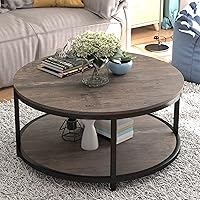
What Is the Best Wood for a Coffee Table?
Oak is the best wood for a coffee table when you want a solid, durable surface. Pine and wood veneer suit rustic rooms, while engineered wood can offer useful shapes, storage and lower weight.
On this page (5 sections)
Oak is the best wood for a coffee table when durability is your main goal. Solid oak gives you a real wood surface and visible grain, while pine, veneer and engineered wood can make sense when you want a lighter rustic style, storage or a particular shape.
Your room and daily routine matter as much as the species. If you want drinks close at hand, see what to look for in coffee tables with a fridge.
A table for laptops and blankets needs different features from a simple surface for drinks and books.
For a broader overview of sizes, shapes and placement, start with our coffee tables for living room guide.
Which wood is best for a coffee table?
Solid oak is the strongest all-around choice in this guide, especially for a table that will handle regular work, meals and storage. Pine and wood veneer bring warmth and character, while engineered wood supports practical designs with storage.
Oak for daily use and visible grain
Oak suits buyers who want a solid wood table with a traditional grain pattern. The Vadisun table uses 100% solid red oak and has a walnut color, lift top, hidden compartment and 2 drawers.
Its 21.65 in depth and 39.37 in width give it a long, compact footprint. The lift top creates a higher work or dining surface, while the hidden compartment and drawers separate frequently used items.
The table is fully assembled apart from attaching the legs. It is an indoor table, and its painted oak finish means you should still use coasters and wipe spills instead of treating solid wood as damage-proof.
Choose oak when the surface and material are your top priorities. For more options, see our guide to the best solid wood coffee table.
Pine and veneer for farmhouse style
Pine and wood veneer work well when you want a rustic coffee table with a softer, more decorative look. The Signature Design by Ashley table combines pine veneers, wood and engineered wood in a distressed farmhouse design.
The two-tone light brown and black finish, plank-effect styling, distress marks and industrial brackets make the table a strong visual choice for a farmhouse room. Its square 36 x 36 in surface gives people around a sofa a shared place for drinks and decor.
The spring lift top can create a casual workspace. The hinged lid adds a separate storage area for items such as blankets and everyday catchalls.
Pine is softer than oak, so this style makes more sense if you like a lived-in finish and do not need the surface to stay mark-free. Assembly is required, with instructions, tools and hardware included.
Engineered wood for shape and storage
Engineered wood can be the right material when design, footprint and storage matter more than a solid wood construction. The JOINICE table uses engineered wood with a walnut finish and a fluted mid-century design.
Its round shape helps keep walkways flowing around seating. The flip top opens to a hidden compartment, while the open shelf keeps remotes, magazines and other daily items within reach.
The 17.7 in height suits a low living-room arrangement. The table weighs 40.8 lb and needs assembly with the included assembly guide.
Choose this type when you want a compact round table for an apartment, small seating area or cozy nook. The walnut finish can show subtle tone changes under different indoor and outdoor light.
For more circular designs, compare our best round wood coffee table options.
How do wood species compare for coffee tables?
Compare the material by surface needs, style and maintenance rather than by the word “wood” alone. Solid wood, veneer and engineered wood each solve a different coffee-table problem.
| Material | Best fit | Main advantage | Main trade-off |
|---|---|---|---|
| Solid oak | Daily work, meals and storage | Real wood grain and sturdy construction | Usually heavier than engineered wood |
| Pine | Rustic and farmhouse rooms | Warm, casual character | Softer surface can show marks |
| Wood veneer | Decorative wood look | Grain-focused appearance | Needs careful moisture and heat control |
| Engineered wood | Storage and shaped designs | Supports practical layouts and finishes | Not the same as solid wood |
A solid wood table can feel substantial, but weight and size affect delivery and room layout. Engineered wood may make it easier to create a round design, fluted sides or a lift-top cabinet.
Finish also changes the look. Distressed surfaces can make small marks less noticeable, while walnut and oak finishes give a more even design direction.
What should you check before buying a wooden coffee table?
Check the table's footprint, height, storage and construction before choosing the wood. The best material will not work well if the table blocks traffic or places the surface too high for your seating.
Measure the sofa and the open floor around it. A 31.5 in round table can suit a smaller room, while a 36 in square table gives more shared surface but needs more clearance.
Think about how you use the table:
- Choose a lift top if you work or eat from the sofa.
- Choose hidden storage if remotes, blankets or laptops often collect in the room.
- Choose drawers if you want smaller items separated.
- Choose an open shelf if you need quick access.
- Choose a round top if corners would interrupt walking paths.
- Choose solid oak if material authenticity and grain matter most.
For a smaller room, our guide to best small solid wood coffee table options can help you compare compact footprints.
How should you care for a wood coffee table?
Use coasters, clean spills quickly and keep the table away from prolonged moisture or heat. These simple habits protect solid wood, veneer and engineered wood surfaces, though each finish may respond differently to cleaners.
Dust with a soft, dry cloth. For routine cleaning, use a slightly damp cloth only when suitable for the finish, then dry the surface promptly.
Do not place hot cookware directly on the top. Keep wet glasses, plant pots and damp items from sitting on the surface for long periods.
Indoor use is the right setting for all 3 examples here. If you move furniture, lift it instead of dragging it across the floor, especially when the table has storage or a heavy cabinet.
Which coffee-table wood should you choose?
Pick solid oak if you want the strongest material choice and natural grain. Pick pine or veneer for farmhouse character, and choose engineered wood when storage, a round footprint or a specific finish matters more than solid construction.
The Vadisun is the clearest choice for solid oak and organized storage. The Signature Design by Ashley suits a square farmhouse room with a lift top and hidden compartment.
JOINICE fits smaller spaces that need a round table with storage.
If you prefer a round solid-wood shape, continue with our guide to best solid wood round coffee tables. For another table beside a sofa, see what a sofa table is and how its height, size and use work.
You can also compare a best end table charging station when charging access matters more than a central coffee-table surface, or browse our best round coffee tables guide for more shapes.
Frequently asked questions
What is the most durable wood for a coffee table?
Solid oak is a strong choice for a durable coffee table because it is a dense hardwood with a visible grain. Construction still matters, so check the full design, base and finish.
A solid oak table can suit daily meals, work and storage when its size fits your room.
Is pine good for a coffee table?
Pine can be a good choice for a coffee table if you like a lighter rustic look and accept that softer wood can show marks more easily than oak. Pine veneers, wood and engineered wood can also reduce the cost and support designs such as lift tops and storage.
Is engineered wood good for a coffee table?
Engineered wood can be a practical coffee table material when you want storage, a specific shape or a controlled finish. It is not the same as solid wood, so compare the frame, surface, weight limit and care needs instead of judging the table by its finish alone.
How do I protect a wooden coffee table?
Protect a wooden coffee table by using coasters, wiping spills promptly and keeping it indoors unless it is specifically made for outdoor use. Avoid standing water, harsh cleaners and unnecessary heat.
Follow the care guidance for the table's finish, veneer or engineered wood surface.