Leather Sofa Types: Which Should You Choose?
The right leather sofa type depends on your budget, care routine and preferred feel: protected top-grain and leather match can be practical starting points, while aniline and nubuck trade easier upkeep for a natural, soft surface.
On this page (7 sections)
- Which leather sofa types should you compare first?
- What is the difference between aniline and protected leather?
- Is nubuck a good choice for a leather sofa?
- Which type of leather sofa is affordable?
- How can you compare leather sofa value?
- What care does each leather sofa type need?
- Which leather sofa type should you choose?
The right leather sofa type depends on the balance you want between natural feel, easier care and cost. Protected top-grain and leather match are practical starting points for many budgets, while aniline and nubuck offer softer, more natural surfaces that may need more attention.
Before comparing sofas, check what the upholstery label means: “leather” can describe several different materials and finishes. The useful details are which parts are genuine hide, whether the surface is coated, and what care the maker recommends.
Which leather sofa types should you compare first?
Start with aniline, protected leather, nubuck, leather match and bonded leather. They differ in surface treatment, appearance, maintenance and how much of the sofa uses genuine hide.
| Type | Surface and feel | Care and wear | Budget fit |
|---|---|---|---|
| Aniline | Natural grain and color variation; soft feel | Marks and spills can show; follow care guidance | Often a premium choice |
| Protected or pigmented leather | More even color with a protective finish | Usually easier to wipe; coating can change the feel | Mid-range to premium |
| Nubuck | Brushed, velvety surface | Can show marks; needs careful upkeep | Often premium |
| Leather match | Genuine leather on selected areas, another upholstery material elsewhere | Depends on the materials and placement | Often more affordable than all-leather |
| Bonded leather | Leather fibers bonded with other materials and a surface finish | Finish and durability vary by construction | Often a lower-cost option |
These are broad categories, not guarantees of quality. A sofa's frame, stitching, cushion construction and the amount of genuine leather also affect value.
What is the difference between aniline and protected leather?
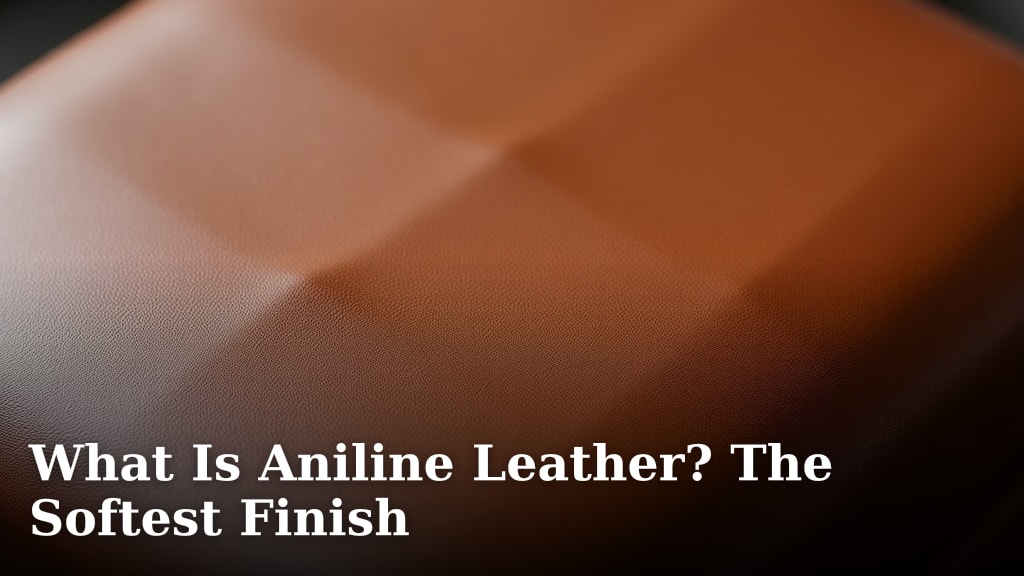
Aniline leather keeps a more natural-looking surface, while protected leather has a finish that makes color and texture more uniform. That finish can make everyday cleanup simpler, but it may feel less like bare hide.
Aniline dye colors the hide without covering its surface with an opaque pigment layer. Natural marks and color changes remain visible, which gives each piece a distinct look.
That openness also means spills, sunlight and routine contact can leave more visible changes. If you want to understand the finish and its care trade-offs, read [What Is Aniline Leather?
The Softest Finish](/what-is-aniline-leather/).
Protected leather is commonly finished with pigment or a clear coating. The surface can look more consistent and may be easier to wipe, but check the maker's guidance rather than assuming every finish responds to the same cleaner.
Choose aniline if natural variation matters more to you than a uniform appearance. Choose a protected finish if you prefer a more even look and want a surface designed to be easier to maintain.
Is nubuck a good choice for a leather sofa?
Nubuck suits buyers who want a soft, brushed surface and can give it careful upkeep. Its texture can show scuffs and marks more clearly than a smooth finished leather.
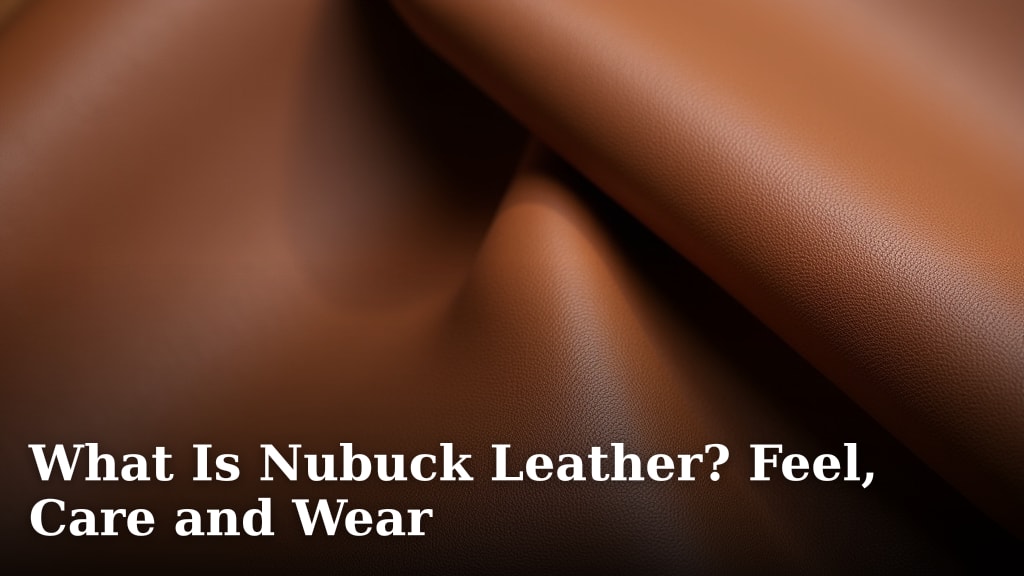
Nubuck is made by lightly sanding the grain side of leather to raise a fine nap. It may be mistaken for suede, but it comes from a different side of the hide.
The nap is part of its look and feel, so routine wiping may not be the right way to clean it. Follow the sofa maker's care instructions and avoid applying products unless they are approved for nubuck.
For a closer look at how the surface feels and wears, see What Is Nubuck Leather? Feel, Care and Wear.
If low-fuss cleanup is your priority, compare nubuck with a protected smooth leather before buying.
Which type of leather sofa is affordable?
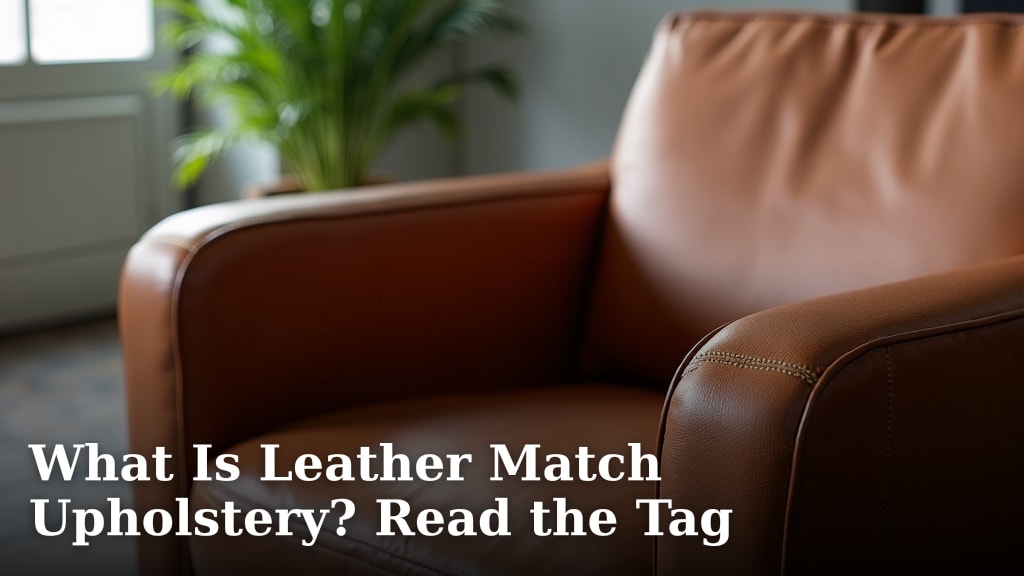
Leather match is often the more affordable way to get a leather seating surface, because genuine leather may cover only selected areas while other sections use a different upholstery material. Bonded leather can also cost less, though construction and wear vary.
“Leather match” does not mean the whole sofa is leather. The tag should identify which parts use genuine leather and what covers the remaining surfaces, such as the back or sides.
Read What Is Leather Match Upholstery? Read the Tag to learn what to check.
Compare the label and care instructions with where people sit, lean and rub against the sofa.
Bonded leather is made with leather fibers and other materials under a surface layer. Its appearance can resemble leather, but the materials and construction differ from a hide upholstered sofa.
A lower price can make sense for a guest room or a tight budget. For a sofa that will get daily use, check the construction details and whether the upholstery material suits your expectations for wear.
How can you compare leather sofa value?
Compare the upholstery coverage, finish, construction and care needs together. A sofa can use high-quality leather in some areas yet still be a poor fit if its upkeep or feel does not match your home.
Check these details before you choose:
- Coverage: Is genuine leather used on every upholstered surface or only the areas you touch?
- Finish: Is the leather natural, corrected, pigmented or coated?
- Construction: What does the maker say about the frame, cushions and joinery?
- Care: Are the cleaning instructions manageable for your household?
- Placement: Will the sofa sit in direct sun or a high-traffic area?
- Budget: Does the lower-cost option meet your expectations for materials and appearance?
The POLY & BARK Lyon is one example of a sofa described as full-grain, pure-aniline Italian leather. Its natural marks and color variations are part of the look, so it may suit buyers who want a visible natural grain and accept that the surface can change with use.
The Lyon also has button tufting, rolled arms and espresso-stained wood legs. Use the upholstery type as one part of your comparison, alongside the room dimensions and care instructions.
What care does each leather sofa type need?
Care depends on the finish, so follow the sofa maker's instructions before cleaning or conditioning. A product described for smooth leather may not suit nubuck, suede, faux leather or vinyl.
Dust and wipe only as the maker recommends. For spills, act promptly with the cleaning method specified for that upholstery, and test any approved treatment in a hidden spot first.
Conditioner can be useful for some leather furniture, but it is not a universal cleaner or a fix for every finish. Leather Honey says its conditioner is suitable for aniline, full-grain, top-grain and distressed leather, and says it is not for suede, faux leather or vinyl.
Leather Honey recommends a small amount on a lint-free cloth, a thin even layer and a spot test. Its instructions note that some colors may darken during hydration, so test first and let the area dry before treating the whole sofa.
For a scented leather note around the home, LITTLE TREES makes a leather-scented air freshener. It does not clean, condition or protect sofa upholstery.
Keep a sofa out of strong direct sun when possible, since light can change leather's color over time. Avoid using household cleaners or conditioners unless the sofa maker says they are suitable for that specific finish.
Which leather sofa type should you choose?
Pick protected top-grain or leather match if you want a more uniform look or a lower-cost entry point. Choose aniline or nubuck if you value natural texture and are comfortable with more visible variation and careful upkeep.
If you want a natural grain and can accept marks that develop with use, aniline may be a fit. If you prefer a soft brushed surface, consider nubuck and check its care requirements before committing.
For budget choices, check leather match coverage and bonded leather construction closely. The label should make clear what each upholstered area is made from.
The best choice is the one whose feel, care needs and material coverage suit your room and routine. For another natural-leather option, compare [What Is Aniline Leather?
The Softest Finish](/what-is-aniline-leather/) with the sofa's upholstery label.
Frequently asked questions
Which type of leather sofa is most affordable?
Leather match and bonded leather are often lower-cost choices because they use less full-grain leather, but construction and coverage vary by sofa. Compare the tag, which surfaces are genuine leather, and the care instructions before deciding.
A low initial cost may matter less if the finish does not suit your daily use.
Is aniline leather good for a sofa?
Aniline leather suits buyers who value a soft, natural surface with visible variation. It has little or no protective pigment coating, so marks and spills can show more readily.
Think about sunlight, pets, children and how much care you are willing to give it before choosing.
What is the difference between full-grain and top-grain leather?
Full-grain leather keeps the hide's outer surface, including natural marks and variation. Top-grain leather is also made from the outer hide, but its surface may be corrected or finished for a more even look.
The finish changes how each sofa looks and wears, so read the upholstery label carefully.
Is nubuck leather suitable for a sofa?
Nubuck has a soft, brushed surface that can feel appealing, but its nap can show marks and needs careful upkeep. It may suit a lower-traffic room or a buyer willing to follow specific care guidance.
Check the sofa maker's cleaning instructions before using any cleaner or conditioner.