What Is Leather Match Upholstery? Read the Tag
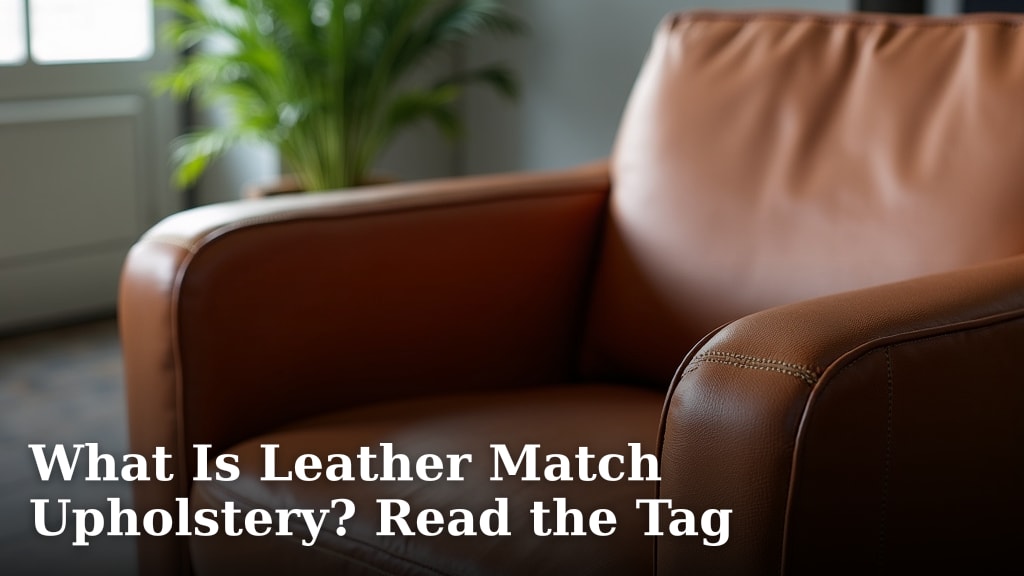
Leather match upholstery is a material that combines real leather with a synthetic material, often vinyl or polyurethane, on the less visible parts of furniture. It’s designed to give you the look and feel of genuine leather at a more affordable price point. You’ll typically find it on sofas, sectionals, and chairs, where the seating areas and armrests are real leather, and the back and sides are the synthetic match.
When you see “leather match” on a tag, it means you’re getting a blend. Manufacturers use this approach to manage costs while still offering a product that looks and feels high-quality from a typical viewing angle. We found that understanding this distinction is key to making an informed furniture purchase, ensuring you know exactly what you’re bringing into your home. It’s a smart way to get that luxury leather appeal without the full premium cost.
- Leather match means real leather plus vinyl.
- It’s a cost-effective option for furniture.
- Real leather is on high-contact areas.
- Vinyl or polyurethane covers the back and sides.
- It offers a leather look for less money.
Let’s take a closer look at what leather match upholstery really means and how to identify it on your furniture tags.
Understanding Leather Match Upholstery
When you’re furniture shopping, you might see the term “leather match.” This simply means the furniture uses a combination of real leather and a synthetic material. It’s a smart way manufacturers create furniture that looks and feels like all-leather. But it comes at a more budget-friendly price. You get the premium look without the full premium cost. We found that many shoppers appreciate this option for its balance of style and affordability.
What Exactly Does “Leather Match” Mean?
Leather match upholstery is essentially a two-material system. The parts of the furniture that you touch the most – like the seat cushions, armrests, and the front of the backrests – are made from genuine leather. The areas that are less exposed to wear and tear, such as the back, sides, and bottom of the furniture, are made from a synthetic material. This synthetic material is usually vinyl or polyurethane. It’s chosen to closely resemble the look and texture of the real leather used elsewhere on the piece.
Why Do Manufacturers Use Leather Match?
The primary reason for using leather match is cost-effectiveness. Genuine leather is a natural material, and its production and processing can be expensive. By using a synthetic material for the less visible or less-touched areas, manufacturers can significantly reduce the overall cost of the furniture. This makes leather-looking furniture more accessible to a wider range of consumers. We found that this approach allows more people to enjoy the aesthetic appeal of leather without breaking the bank. It’s a practical solution for stylish living rooms.
Where Will You Find Leather Match?
You’ll most commonly find leather match upholstery on sofas, sectionals, and chairs. These are the pieces of furniture where a luxurious leather look is most desired. Think about the typical way you sit on a sofa. Your body contacts the seat, the arms, and the front of the back cushions. These are the areas where the real leather is used for comfort and durability. The back of the sofa, which usually faces a wall, and the sides, which are less frequently touched, are typically where the vinyl or polyurethane match is applied.
Reading the Furniture Tag: Your Guide to Upholstery
Your furniture’s tag is a treasure trove of information. It tells you exactly what you’re bringing into your home. Understanding these labels is key to making a wise furniture purchase. Don’t just assume it’s all real leather unless the tag explicitly states it. We recommend always checking the tag before you buy. It’s a simple step that can save you from surprises down the road.
Decoding the Upholstery Labels
Furniture tags use specific terms to describe the upholstery material. Here are a few common ones you might see:
- 100% Genuine Leather: This means the entire piece is covered in real leather.
- Top Grain Leather: This is high-quality leather, but it’s often a type of genuine leather. It’s sanded and finished to remove imperfections, giving it a uniform look.
- Full Grain Leather: This is considered the highest quality leather. It retains all of the natural grain and markings of the hide, making each piece unique.
- Bonded Leather: This is made from scraps of leather that are shredded and bonded together with adhesive. It’s much less durable than genuine leather.
- Leather Match: As we’ve discussed, this indicates a combination of real leather and synthetic materials.
- Vinyl/PU/Polyurethane: These terms indicate the furniture is made entirely of synthetic materials, not real leather at all.
What to Look for on the Tag for Leather Match
When you’re examining a tag for leather match, look for phrases like “leather match,” “split leather and vinyl,” or “genuine leather and PVC.” The tag should also specify which parts are genuine leather and which are the synthetic match. For instance, it might say, “Seat cushions, armrests, and front panels are 100% genuine leather. Back and side panels are leather match vinyl.” This level of detail is very helpful. We found that clear labeling is a sign of a reputable manufacturer.
The “Split Leather” Clue
Sometimes, the tag might mention “split leather.” Split leather is a layer of the hide that remains after the top grain layer has been removed. It’s often used in conjunction with a polyurethane coating to create a leather-like finish. When split leather is used on less visible areas and combined with a synthetic material on the most exposed surfaces, it’s often still considered part of a “leather match” system. However, it’s important to note that split leather is generally less durable and of lower quality than top-grain or full-grain leather. Many furniture experts suggest looking for “top grain” or “full grain” if you want the best durability (NCBI).
| Material Type | Description | Pros | Cons |
|---|---|---|---|
| 100% Genuine Leather | Entirely made of real leather. | Durable, develops a patina, comfortable. | Expensive, can be scratched, requires care. |
| Leather Match | Real leather on high-contact areas, synthetic on others. | More affordable than 100% leather, looks like leather. | Synthetic parts less durable, can crack or fade differently. |
| Bonded Leather | Shredded leather scraps bonded together. | Least expensive leather-like option. | Least durable, can peel, not breathable. |
| Vinyl/PU | Completely synthetic material. | Easy to clean, water-resistant, affordable. | Can look and feel cheap, not breathable, can tear. |
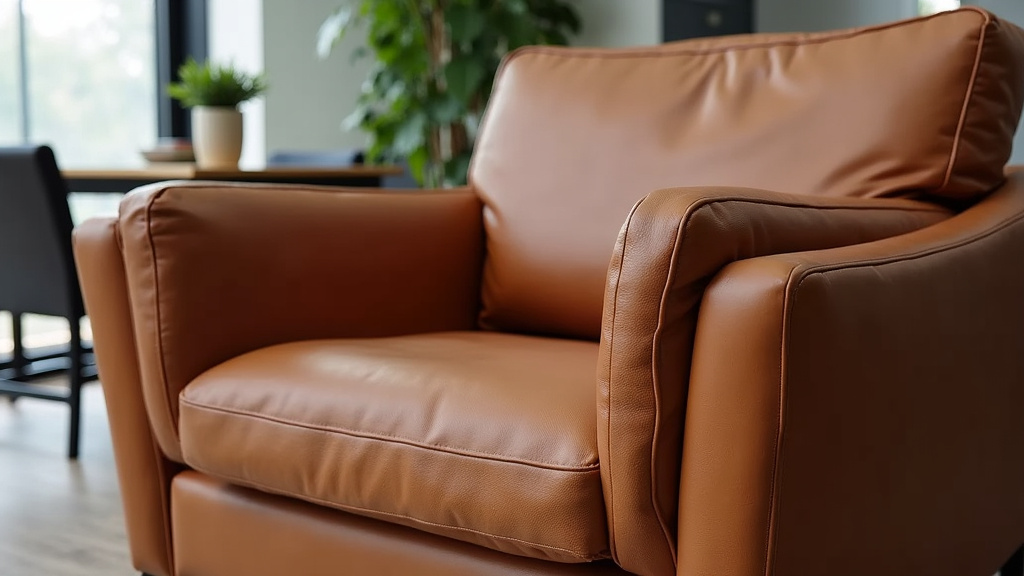
Benefits and Drawbacks of Leather Match
Like any furniture material, leather match has its pros and cons. Understanding these can help you decide if it’s the right choice for your home and lifestyle. We believe that knowing both sides of the story leads to a more satisfying purchase.
The Advantages You Can Expect
The biggest advantage is affordability. You get the luxurious look and feel of genuine leather at a price that’s much easier on your wallet. The real leather used on the seating surfaces provides good comfort and durability where it matters most. For many families, this offers a practical way to achieve the desired aesthetic without compromising on the essential seating areas. It’s a smart compromise for a stylish home.
Potential Downsides to Consider
The main drawback lies in the synthetic components. While designed to match, vinyl or polyurethane can wear differently than real leather. Over time, the synthetic parts may crack, fade, or lose their texture faster than the genuine leather sections. This can lead to an uneven appearance as the furniture ages. Also, synthetic materials are generally less breathable than real leather, which might affect comfort in very warm climates. We found that some shoppers notice this difference in wear over several years.
How to Care for Your Leather Match Furniture
Caring for leather match furniture requires a bit of attention to both materials. Always check the manufacturer’s specific care instructions. Generally, you’ll want to clean the real leather sections with a conditioner designed for genuine leather. For the synthetic parts, a damp cloth and mild soap are usually sufficient. Avoid harsh chemicals on either material. Regular dusting and wiping down will help maintain the appearance of your furniture. Some experts recommend using a leather protectant spray on the real leather portions to shield against spills and UV rays (Cleveland Clinic).
Making the Right Choice for Your Home
When you’re looking at furniture, always ask questions and check the tags. If you love the look of leather but have a tighter budget, leather match can be a fantastic option. It offers a great balance of style, comfort, and cost. Just be aware of its limitations and remember to care for both the real leather and the synthetic match parts. We found that furniture buyers who understand what they’re purchasing are generally the most satisfied.
Here’s a quick checklist to help you remember the key points about leather match:
- Look for tags that say “leather match” or specify a blend.
- Identify which parts are real leather (usually seats and arms).
- Note that the back and sides are typically synthetic (vinyl or PU).
- Understand that it’s a cost-effective way to get a leather look.
- Be aware that synthetic parts may wear differently over time.
- Always follow the manufacturer’s care instructions for both materials.
Conclusion
You’ve learned that leather match upholstery offers a smart way to enjoy the look of real leather without the high cost. By combining genuine leather on the parts you touch most with synthetic materials on the less visible areas, manufacturers create an appealing and budget-friendly option. Remember to always check the furniture tag to understand exactly what you’re buying. Knowing the difference between 100% leather and leather match helps you make an informed decision. Make sure to care for both the leather and synthetic components to keep your furniture looking its best for years to come.
Frequently Asked Questions
Is leather match furniture durable?
Leather match furniture can be durable, especially on the parts made of genuine leather. The synthetic components, however, may not hold up as well over time. We found that the areas with real leather are typically quite resilient, but the vinyl or polyurethane can be more prone to wear and tear.
How do I clean leather match furniture?
Cleaning leather match requires care for both materials. Use a conditioner for the real leather sections and a damp cloth with mild soap for the synthetic parts. Always consult the manufacturer’s care instructions first, as harsh chemicals can damage either material.
Will the leather and synthetic parts wear differently?
Yes, it’s likely that the real leather and synthetic parts will wear differently. Genuine leather often develops a patina and can last a very long time, while vinyl or polyurethane may show signs of cracking or fading sooner. We’ve seen that this can create an uneven appearance over the years.
Is leather match considered real leather?
Leather match is considered a blend. It uses real leather on key areas but is not 100% genuine leather. The tag should clearly indicate this combination. It’s a cost-effective compromise to achieve a similar aesthetic to full leather furniture.
Can I repair cracked synthetic parts on leather match furniture?
Repairing cracked synthetic parts on leather match furniture is possible, but often challenging. There are repair kits available for vinyl and PU, but achieving a perfect match to the surrounding material can be difficult. Sometimes, it’s more practical to replace the entire cushion or panel if the damage is extensive.