What Is Top Grain Leather? Grades Made Simple
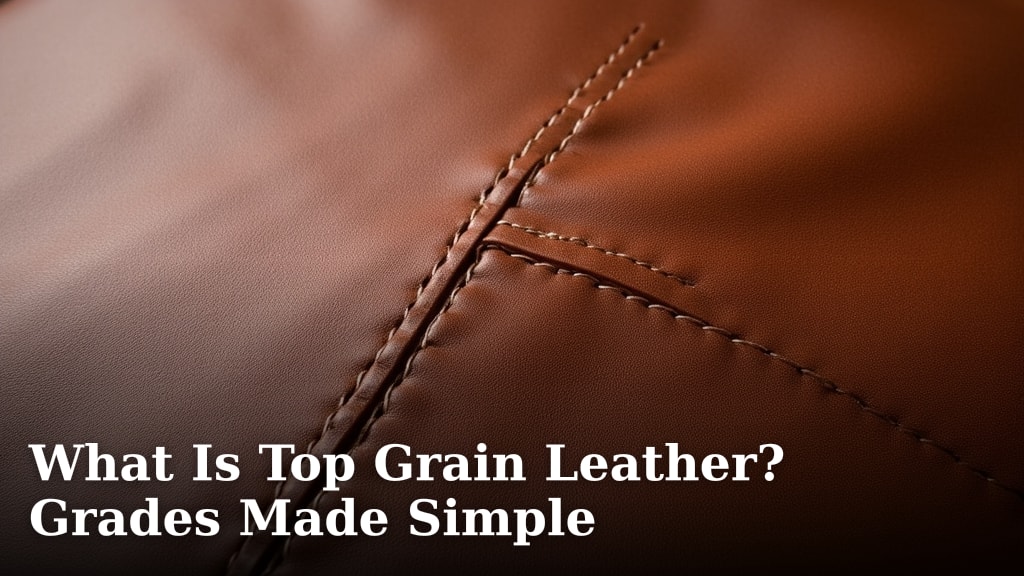
Top grain leather is a high-quality leather that has had the outermost layer of the hide buffed or sanded. This process removes minor imperfections while retaining much of the hide’s natural grain. It’s considered a top-tier leather, second only to full grain.
When you see leather labeled as top grain, you can expect a product that is both durable and attractive. It offers a smooth feel and a consistent appearance, making it a popular choice for furniture, bags, and footwear. It’s a great balance of quality and practicality.
- Top grain leather is one of the highest grades of leather available.
- It has been sanded to remove surface flaws.
- This process keeps most of the natural grain intact.
- It offers a good blend of durability and aesthetics.
Now that you know what top grain leather is, let’s look at how it’s graded and what that means for you.
Understanding Top Grain Leather Grades
You’re likely wondering what makes one piece of top grain leather different from another. You see the term “top grain” and know it’s good, but are there levels within that grade? Yes, there are, and understanding them can help you make a smarter purchase.
Essentially, top grain leather is categorized based on how much of the original hide’s surface is kept. The less the surface is altered, the higher the quality within the top grain category. It’s like choosing between a perfectly polished apple and one with a tiny, charming blemish – both are good, but one shows a bit more of its natural self.
How Top Grain Leather is Processed
The journey to becoming top grain leather involves a few key steps. The goal is to create a usable surface from a hide that might have minor natural marks. This process doesn’t aim to hide defects but to improve the surface appearance.
The Sanding and Buffing Process
After the initial tanning of the animal hide, the outermost layer, which is the top grain, is treated. This layer contains the tightest fibers, making it strong. However, it can also have small imperfections like scars or insect bites.
To address these, the hide undergoes a sanding or buffing process. This is done gently, just enough to smooth out these surface irregularities. Think of it like light sanding on wood to get a smooth finish. This step is crucial for achieving a uniform look and feel.
The Role of Stamping or Embossing
Sometimes, after sanding, the natural grain might be less pronounced. In these cases, manufacturers might use a process called embossing. This involves pressing a plate with a specific grain pattern onto the leather.
This creates a consistent, repeatable look across the hide. It’s important to note that this is usually done to enhance the appearance of a sanded surface, not to completely fake a natural grain. The aim is to achieve a pleasing aesthetic that consumers expect.
Different Types of Top Grain Leather
While all top grain leather has been sanded, the extent of this treatment and subsequent finishing can vary. This leads to different types, each with its own characteristics. We can think of these as different levels within the top grain family.
Finished Genuine Leather (Corrected Grain)
This is often considered the most processed form of top grain. The hide is heavily sanded to remove most imperfections. Then, a polymer surface coating is applied. This coating can be pigmented to achieve any color. It’s also embossed with a grain pattern.
The result is a very uniform, durable, and often cheaper product. Because of the coating, it might feel less natural to the touch. It’s very resistant to stains and fading, which can be a plus for busy households. Many everyday items use this type of leather for its resilience.
Aniline or Semi-Aniline Top Grain
This type of top grain leather retains more of the hide’s natural character. The sanding is done very lightly, removing only the most noticeable flaws. The surface is then treated with transparent dyes and finishes.
This allows the natural grain, texture, and even subtle color variations to show through. Aniline leather has a very natural, soft feel. Semi-aniline has a light protective coating, offering a bit more durability than pure aniline. These leathers feel luxurious and authentic.
Nubuck Leather
Nubuck is a unique type of top grain leather. It’s made from the top grain of the hide, but the outer surface is buffed or sanded to create a soft, velvety nap. It’s like the fuzzy side of suede, but it comes from the *outside* of the hide, not the inside.
This gives it a very smooth, plush feel. Nubuck is known for its comfort and sophisticated look. However, because the surface fibers are exposed, it can be more susceptible to stains and water marks than other top grain types. It requires a bit more careful maintenance to keep it looking its best. Many find the tactile experience worthwhile.
Comparing Top Grain with Other Leather Grades
To truly appreciate top grain, it helps to see how it stacks up against other common leather types. This way, you can understand its place in the hierarchy of leather quality.
Full Grain Leather: The Undisputed Champion
Full grain leather is the highest quality. It uses the entire top layer of the hide, including all its natural markings and grain. No sanding or buffing is done to alter the surface. The natural character is preserved.
This results in leather that is incredibly durable and develops a beautiful patina over time. It tells a story with every mark and scratch. While it’s the best, it’s also typically the most expensive. Full grain leather is for those who want the most authentic and enduring product.
Genuine Leather: A Misleading Term
This is where confusion often arises. “Genuine leather” is actually a lower grade than top grain. It means the leather is made from parts of the hide that remain after the higher qualities (like full grain and top grain) have been cut away.
These remaining pieces are then bonded together, often with adhesives and a stamped grain pattern. While it is real leather, it lacks the durability and natural beauty of top grain. Think of it as the leftover bits, assembled into something new. It’s more affordable but less robust. We found that its lifespan is generally shorter.
Bonded Leather: The Bottom Tier
Bonded leather is the lowest grade. It’s made from leather scraps and polyurethane. These scraps are shredded and then bonded together with adhesives onto a fiber backing. A faux grain is then stamped on top.
This material looks somewhat like leather but has very little durability. It can peel, crack, and wear out quickly. It’s the most budget-friendly option but offers the least in terms of quality and longevity. We strongly advise considering its limitations before choosing bonded leather.
What Top Grain Leather Means for You
So, now that you know the grades, what does this mean for your shopping decisions? Top grain leather offers a sweet spot for many consumers looking for a good balance.
Durability and Longevity
Because it’s made from the top layer of the hide, top grain leather is inherently strong. The sanding process removes minor surface issues but doesn’t compromise the fiber structure. This means it’s resistant to wear and tear.
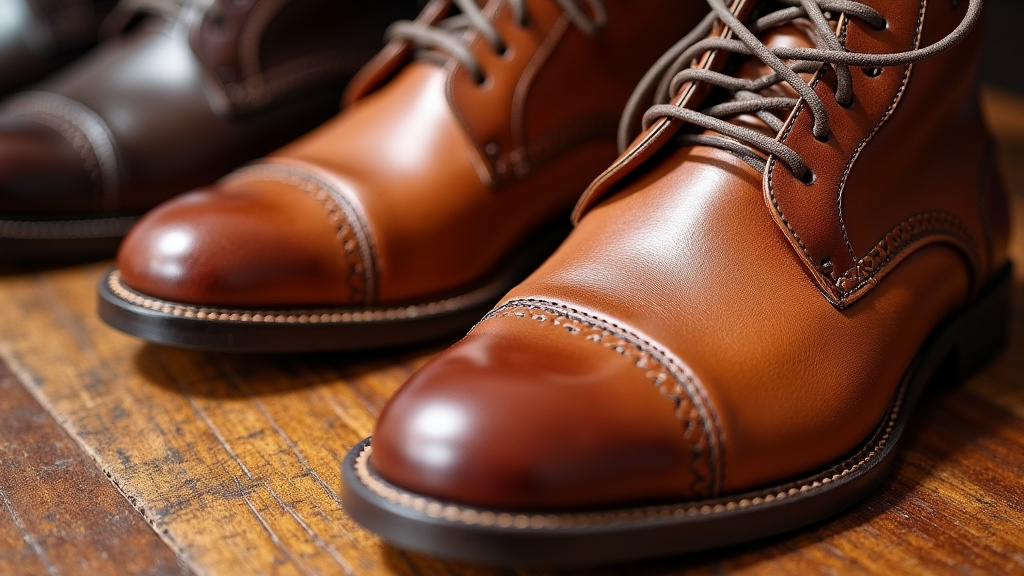
You can expect items made from top grain leather to last for many years. They will hold up well to regular use, whether it’s a sofa, a pair of boots, or a handbag. Many sources suggest this grade is the best choice for everyday items that need to be tough.
Aesthetics and Feel
Top grain leather offers a smooth, consistent surface that looks and feels high-quality. The finishes can range from matte to slightly glossy, depending on the type. Whether it’s aniline or corrected grain, it typically presents a polished appearance.
The feel can vary from buttery soft to firm and structured. This makes it versatile for many applications. You get a luxurious look without the extreme cost of full grain. It’s a win-win for style and substance.
Maintenance and Care
Caring for top grain leather is generally straightforward. For finished or corrected grain, a simple wipe-down with a damp cloth is often enough for daily cleaning. For aniline or nubuck, you might need specialized cleaners and conditioners.
Consulting the manufacturer’s care instructions is always wise. With proper care, your top grain leather items will maintain their beauty and function for years to come. We found that regular conditioning helps prevent cracking, especially in dry climates.
Cost-Effectiveness
Top grain leather sits in the middle ground price-wise. It’s more expensive than genuine or bonded leather, but more affordable than full grain. This makes it an excellent option for those seeking quality without breaking the bank.
You’re investing in a product that offers both durability and a premium feel. For many, it represents the smartest long-term value. You get a significant upgrade in quality and longevity for a reasonable price increase.
Key Takeaways for Shoppers
When you’re out shopping for leather goods, keep these points in mind about top grain leather:
- It’s a high-quality leather that’s sanded to remove imperfections.
- It retains much of the hide’s natural grain, offering a refined look.
- It’s more durable than “genuine” or bonded leather.
- It’s less expensive than full grain leather, offering great value.
- Look for terms like “finished top grain,” “aniline top grain,” or “nubuck” to understand its specific type.
- Consider your needs: for ultimate durability and natural aging, full grain is best; for a balance of quality and price, top grain is often ideal.
Conclusion
You’ve learned that top grain leather offers a fantastic balance of quality and price. It’s a durable, attractive choice thanks to its processed surface. Unlike lower grades, it keeps much of the natural hide intact. This means you get a product that looks great and lasts for years without the highest cost.
When shopping, remember that types like aniline or nubuck offer a more natural feel, while finished top grain provides extra protection. Now that you’re an expert, you can confidently choose top grain leather items that suit your needs and budget. Take your time to compare options and find the perfect piece for your home or wardrobe.
Frequently Asked Questions
Is top grain leather good for everyday use?
Yes, top grain leather is excellent for everyday use. Its sanded surface removes minor flaws, making it resilient. We found that it holds up well to regular wear and tear, maintaining its appearance over time. It’s a smart choice for items you use daily.
How does top grain leather compare to “genuine” leather?
Top grain leather is a higher grade than “genuine” leather. Top grain uses the top layer of the hide, making it stronger and more aesthetically pleasing. “Genuine leather” is made from leftover pieces of the hide, often bonded together, making it less durable.
Will top grain leather scratch easily?
Top grain leather is more resistant to scratches than lower grades because its tightest fibers are on the surface. While not entirely scratch-proof, it handles minor scuffs better than, say, bonded leather. Some minor marks can even add character over time.
What is the difference between aniline and semi-aniline top grain leather?
Aniline top grain leather is dyed with transparent colors and has minimal protective coating, showcasing the natural grain. Semi-aniline top grain leather has a light protective coating, offering a bit more resistance to stains and fading while still showing off the natural character.
Is top grain leather expensive?
Top grain leather is moderately priced. It’s more affordable than full grain leather, which is the highest grade. You get a significant upgrade in quality and durability compared to “genuine” or bonded leather for a mid-range cost. We consider it a great value for its longevity and appearance.