What Is Faux Leather Made Of? A Plain Answer
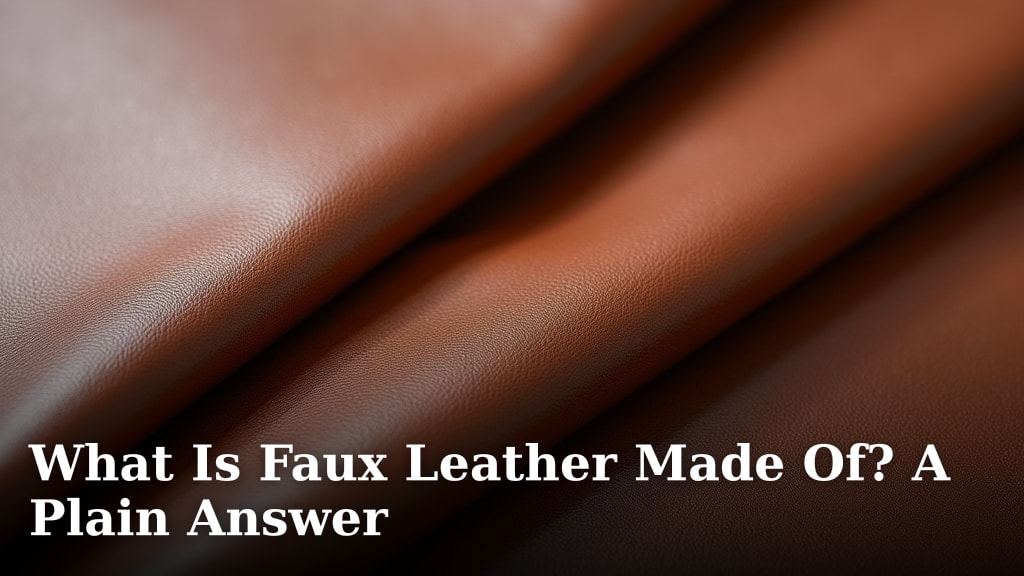
Faux leather is a man-made material designed to look like real leather. It’s typically made from two main components: a fabric base and a plastic coating. The fabric base is often a blend of polyester or cotton. The coating is usually a form of polyvinyl chloride (PVC) or polyurethane (PU). This creates a material that mimics the look and feel of genuine leather.
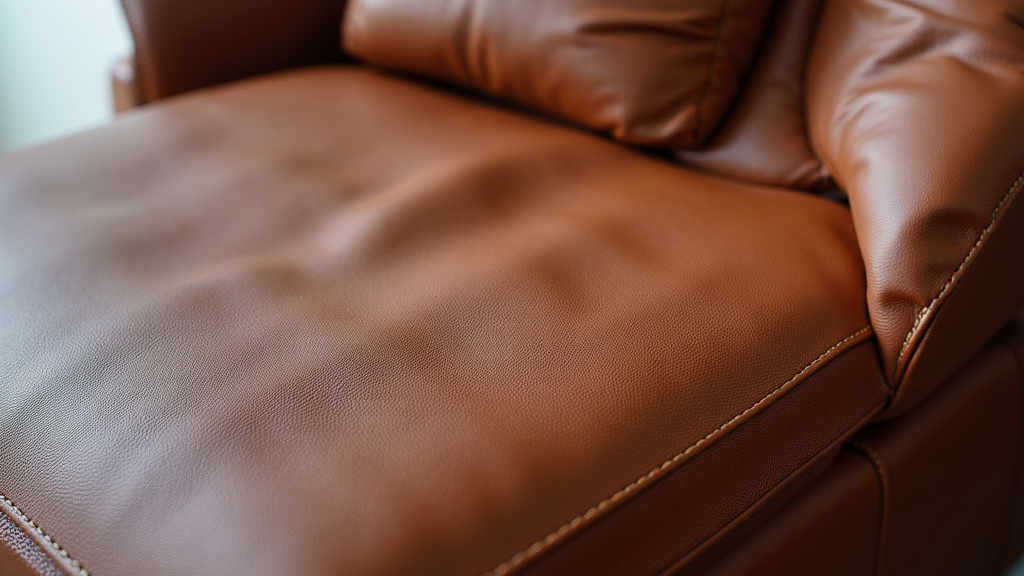
You’ll find faux leather used in everything from furniture and clothing to car interiors. It’s often chosen for its You’ll find faux leather used in everything from furniture and clothing to car interiors, such as an English roll arm sofa.affordability and ease of care compared to real leather. While it has a similar appearance, it differs greatly in its composition and durability. Understanding what it’s made of helps you know its best uses and how to care for it.
- Faux leather is not animal skin.
- It’s made from fabric and plastic.
- Common plastics used are PVC and PU.
- It’s a popular, budget-friendly alternative to real leather.
- Its care needs are different from genuine leather.
Let’s dive into the details of what faux leather is really made of and what that means for you.
Understanding Faux Leather’s Composition
Faux leather isn’t just one thing; it’s a category of materials made to mimic real leather. At its core, it’s usually a fabric base layered with a plastic coating. Think of it like a durable sandwich. The bread is the fabric, and the filling is the plastic that gives it that leather-like look. This design allows for a wide range of textures and appearances. It’s a clever way to get that leather aesthetic without using animal hides. We often see it in everyday items, making it quite accessible. You can find this material used in many furniture pieces, including a modular sofa.
The Fabric Foundation of Faux Leather
Beneath the surface, faux leather starts with a backing material. This base gives the material its structure and strength. It’s typically made from natural or synthetic fibers. You might find it’s a simple cotton or polyester fabric. Sometimes, it’s a blend designed for extra durability. This foundation is crucial for how the faux leather will stretch and hold its shape. It also influences how it feels against your skin. A softer fabric base can make the faux leather feel more pliable.
Common Fabric Bases
Polyester is a popular choice for the fabric base. It’s known for being strong and resistant to stretching. This means the faux leather won’t easily lose its form. Cotton is another option, offering a softer feel. However, cotton can sometimes absorb moisture more readily. Blends of polyester and cotton are also common. These aim to combine the best qualities of both. The goal is to create a stable, comfortable base for the plastic coating.
The Plastic Coating: Creating the Leather Look
The magic happens with the top coating. This is where the faux leather gets its visual appeal and texture. It’s typically a plastic polymer applied to the fabric base. The most common polymers used are polyvinyl chloride (PVC) and polyurethane (PU). These give the material its color, grain pattern, and a smooth or textured finish. The way this plastic is applied and treated makes a big difference in the final product.
Polyvinyl Chloride (PVC) Faux Leather
PVC, also known as vinyl, is a widely used plastic for faux leather. It’s created by mixing a plasticizer with polyvinyl chloride resin. This mixture is then applied to the fabric backing. PVC faux leather is known for being quite tough and resistant to water. Because it doesn’t absorb liquids easily, it can be simple to wipe clean. This makes it a practical choice for items that might get dirty. However, PVC can sometimes feel stiffer than other types of faux leather. It may also have a less natural feel.
Polyurethane (PU) Faux Leather
Polyurethane, or PU, is another common material for faux leather. It’s made by reacting a polyol with a diisocyanate. This process creates a flexible and often softer plastic coating. PU faux leather tends to feel more like genuine leather compared to PVC. It can be more breathable, which is nice for clothing. Many people find PU to be more comfortable to wear. It’s also quite durable, though it might not be as water-resistant as PVC.
Comparing PVC and PU Faux Leather
The choice between PVC and PU often comes down to your needs. If you need something very durable and easy to clean, PVC might be your pick. Think of items that face a lot of wear and tear, like car seats or certain types of upholstery. If you prefer a softer feel and a look closer to real leather, PU is often the better option. Clothing and fashion accessories often use PU. Both materials offer a more budget-friendly alternative to genuine leather.
Here’s a quick look at how they stack up:
| Feature | PVC Faux Leather | PU Faux Leather |
|---|---|---|
| Feel | Can be stiffer, less natural | Softer, more like real leather |
| Durability | Very tough, resistant to scuffs | Durable, but can be more prone to tearing than PVC |
| Water Resistance | Highly water-resistant | Moderately water-resistant |
| Breathability | Low breathability | More breathable |
| Cost | Often more affordable | Can be slightly more expensive than PVC |
| Environmental Impact | Less breathable, can be less eco-friendly in production | Can be more eco-friendly in production than PVC, but still a plastic |
The Manufacturing Process: Bringing It All Together
Creating faux leather involves several steps. First, the fabric base is prepared. Then, the plastic coating is applied. For PVC, a layer of plasticized PVC paste is spread onto the fabric. It’s then heated to fuse the layers. For PU, a liquid polyurethane is spread and cured. Often, an embossing process follows. This step uses heated rollers to press a grain pattern onto the surface. This mimics the natural texture of animal hides. Different patterns can be created to achieve various looks. Finally, the material is cooled and finished. It’s then cut into rolls for production.
Finishing Touches for Realism
Manufacturers add various finishes to enhance the realism of faux leather. This can include dyes for color, lacquers for shine, and topcoats for protection. These layers help the material look and feel more like genuine leather. Some advanced techniques can even replicate the imperfections found in real hides. This attention to detail makes faux leather a convincing alternative. The goal is often to match the aesthetic appeal of real leather as closely as possible.
What Does This Mean for You?
Knowing what faux leather is made of helps you make informed choices. It tells you about its strengths and limitations. For instance, its plastic nature means it’s generally easier to clean than real leather. A simple wipe with a damp cloth often suffices. However, it also means it might not age the same way as genuine leather. Real leather develops a patina over time. Faux leather, being plastic, tends to wear differently. It can crack or peel if not cared for properly.
Caring for Your Faux Leather Items
Taking care of your faux leather goods is key to their longevity. Always check the care label if available. For most items, a mild soap and water solution works well for cleaning. Avoid harsh chemicals or abrasive cleaners. These can damage the plastic coating. For spills, blot them up immediately. If you have a PU item, some leather conditioners designed for PU can help keep it supple. For PVC, regular dusting is usually enough. Avoid prolonged exposure to direct sunlight, as it can cause fading and cracking.
Here’s a quick checklist for maintaining your faux leather:
- Wipe clean regularly with a damp cloth.
- Use mild soap and water for tougher spots.
- Blot spills immediately.
- Avoid harsh chemicals and abrasives.
- Keep out of direct, prolonged sunlight.
- Consider a PU conditioner for polyurethane items.
Conclusion
You now understand that faux leather is a clever blend of fabric and plastic. Whether it’s PVC or PU, this material offers a budget-friendly way to enjoy a leather-like look. Knowing its composition helps you choose the right products and care for them properly. You can make informed decisions about where faux leather works best for your needs. Ready to put your new knowledge to use? Look for faux leather items that fit your lifestyle and remember simple cleaning steps to keep them looking great.
Frequently Asked Questions
Is faux leather bad for the environment?
Faux leather’s environmental impact can vary. PVC production can involve chemicals that raise concerns. PU is often seen as a slightly better option, as some manufacturing processes are less harmful. However, both are still plastics and not biodegradable. Choosing durable items and caring for them well helps reduce waste.
Can faux leather be repaired if it tears?
Repairing faux leather is tricky. Small tears or peeling might be temporarily fixed with fabric glue or special faux leather repair kits. However, significant damage is usually difficult to repair invisibly. It often doesn’t age or “heal” like real leather does.
Does faux leather feel like real leather?
PU faux leather often feels quite soft and supple, mimicking real leather more closely. PVC can sometimes feel stiffer and less natural to the touch. The feel also depends on the fabric backing and the finishing applied during manufacturing.
How long does faux leather typically last?
The lifespan of faux leather depends on its quality and how it’s used. Cheaper versions might start to crack or peel within a year or two. Higher-quality PU or PVC items, especially those well-cared for, can last several years. Proper maintenance is key to extending its life.
Is faux leather breathable?
Generally, faux leather is not very breathable, especially PVC. PU offers a bit more breathability than PVC, making it more comfortable for clothing. Lack of breathability can sometimes lead to a feeling of sweatiness when wearing faux leather garments for long periods.